
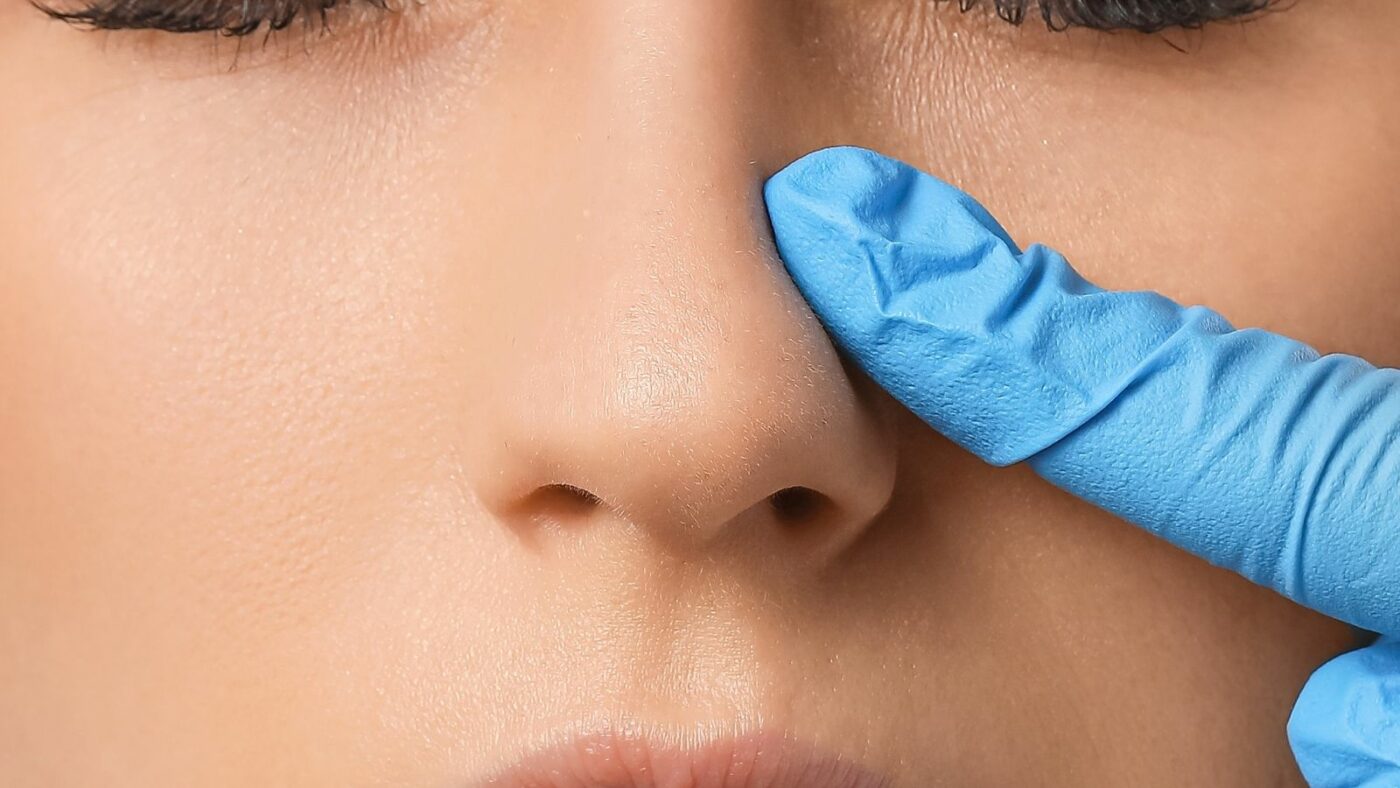
Asymmetry in the nasal wings may be observed after rhinoplasty. Especially in the early healing period, temporary inequality due to edema, tissue firmness, and muscle adaptation is natural. In most cases, this condition is not permanent, and as the tissues heal, the nasal wings achieve a more symmetrical appearance.
Among the causes of asymmetry after rhinoplasty are surgical technique, skin thickness, the wound healing process, and the patient’s anatomical structure. Mild asymmetries that existed before surgery may be perceived as more noticeable after the operation. This situation usually does not create a functional problem but is evaluated from an aesthetic perspective.
The question of when nasal wing inequality improves after rhinoplasty is frequently asked. While most of the edema decreases within the first 3 months, full settling of the nasal tip and wings may take 6–12 months. During this period, patience is required, and the follow-up visits recommended by the surgeon should not be neglected.
The answer to how permanent asymmetry of the nasal wings is corrected depends on the degree of the problem. Mild irregularities may be camouflaged with filler applications, whereas significant structural differences may require revision rhinoplasty. The decision should be made by a specialist physician after a detailed physical examination.
Nasal Wing (Alar Region) Anatomy and the Concept of Symmetry
The nasal wings are shaped by the alar cartilages and the surrounding soft tissues. This structure determines the form and width of the nostrils. Complete symmetry in facial anatomy is rare; most individuals naturally have mild right-left differences.
When planning rhinoplasty, the surgeon evaluates existing anatomical asymmetries. However, temporary changes in symmetry may occur after surgery due to the healing process. This condition is usually not pathological and is considered a natural part of tissue healing.
Why Can Asymmetry Be Seen After Rhinoplasty?
Asymmetry in the nasal wings may occur through different mechanisms:
- Edema (Swelling)
The inflammatory response that develops after surgical trauma causes edema in the area. Edema may not be distributed equally on both sides. Especially in individuals with thick skin, swelling may last longer and temporary asymmetry may be more pronounced.
- Tissue Healing and Scar Process
After surgery, fibroblast activity increases and connective tissue is remodeled. The scar tissue that forms during this process may not develop with the same intensity on both sides. This may lead to mild shape differences in the nasal wings.
- Changes in Cartilage Support Structures
In rhinoplasty, the lower lateral cartilages that shape the nasal tip and wings are intervened. During repositioning of these structures or strengthening with support grafts, even minimal millimetric differences may be noticeable from the outside. However, with experienced surgical planning, this risk is minimized.
- Skin Thickness and Skin Elasticity
Skin thickness is not exactly the same on both sides. In thick and less elastic skin, the underlying cartilage shape is reflected externally more slowly. This may cause the perception of temporary asymmetry during the healing process.
Temporary or Permanent?
Most asymmetries observed in the early period after rhinoplasty are temporary. Edema is pronounced in the first 3 months. By the 6th month, nasal contours become clearer. Evaluation of the final shape may generally take 9–12 months.
Permanent asymmetry is a rare condition. In such cases, generally:
- Pre-existing significant anatomical differences,
- Pronounced scar tissue developing during the healing process,
- Trauma or impacts to the nose in the early period,
- Very rarely, technical factors
may play a role. However, not every difference in symmetry means a surgical error; the biological healing process varies from person to person.
How Do Patients Perceive Asymmetry?
After rhinoplasty, patients begin to examine their faces more carefully. During this period, even millimetric differences may be perceived as exaggerated. Especially the thought that the nostrils look different is a frequently expressed concern. However, the nostrils may vary even according to head position and facial expressions.
A true asymmetry assessment should only be made after the edema has largely resolved and through specialist examination. Photo analyses and clinical evaluation are considered together.
In Which Situations Is Specialist Evaluation Required?
It is recommended to contact the surgical team in the following situations:
- Asymmetry progressively increases over time
- A feeling of collapse in the nasal wing (alar collapse)
- Deformity accompanied by difficulty breathing
- Marked unilateral firmness and pain
Although these findings are rare, they may indicate a functional problem. Especially if there are changes related to breathing, evaluation by an Ear, Nose, and Throat (ENT) specialist is important.
Is Revision Required?
Revision rhinoplasty may be planned to correct functional or aesthetic problems that arise after the first surgery. However, this decision is not made in the early period. Completion of tissue healing is awaited. In most cases, a patient follow-up process is sufficient and no additional intervention is required.
As with any surgical procedure, it is not possible to guarantee 100% symmetry after rhinoplasty. The human face naturally has asymmetric features. The aim of surgery is to improve anatomical balance and provide an appearance harmonious with the face.
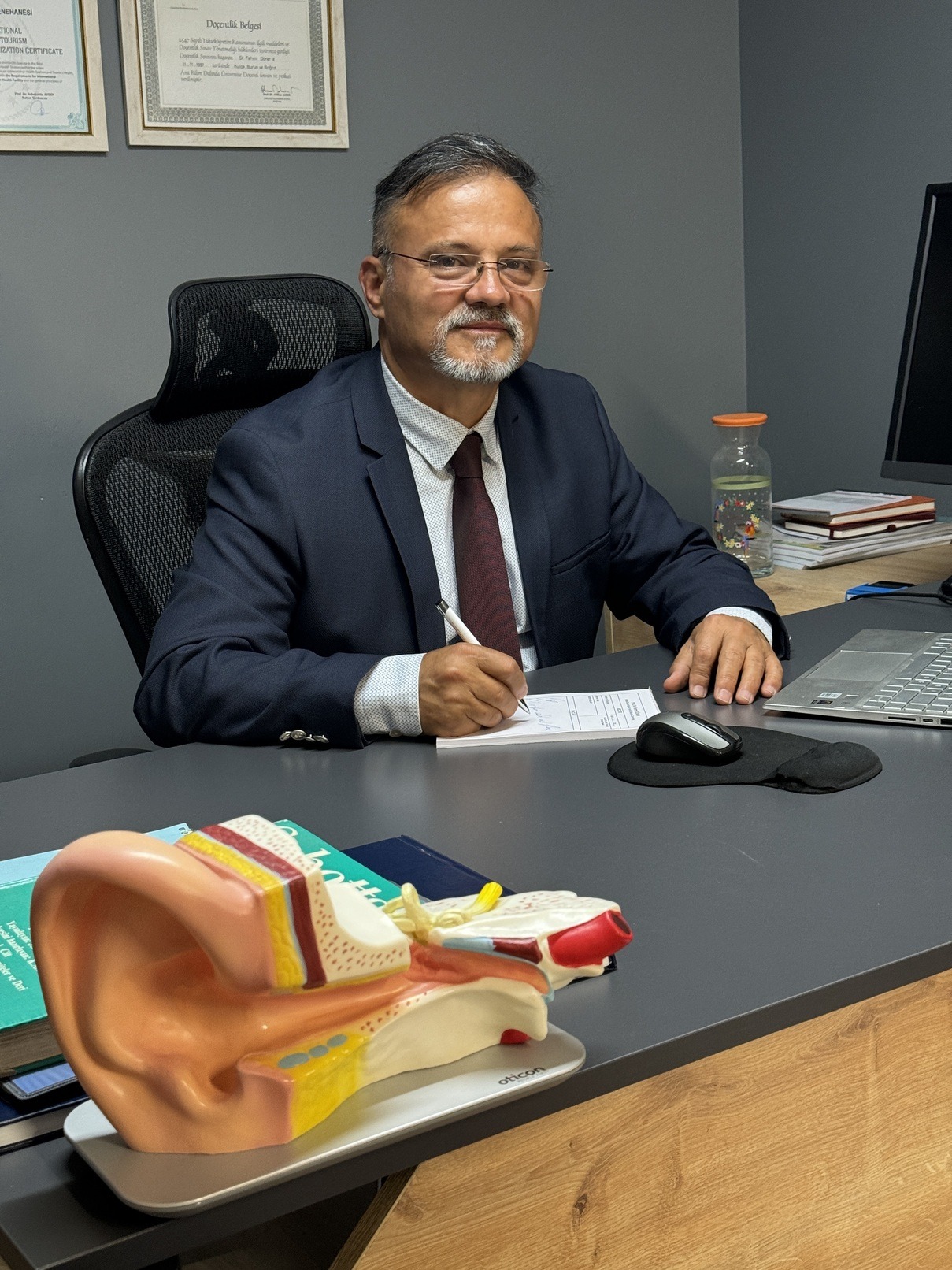
I completed my primary and secondary education in İzmir. I completed my medical education at Istanbul University Cerrahpaşa Faculty of Medicine in 1988. I received my specialization training at Atatürk University Faculty of Medicine, Department of Otorhinolaryngology. During my specialization training, in order to enhance my knowledge and experience, I spent various periods of time at Istanbul University Istanbul Faculty of Medicine, Department of Otorhinolaryngology, and participated in clinical studies. After obtaining my specialization in 1994, I worked for eight months at Kütahya State Hospital, and then in December 1994, I was appointed as an assistant professor at the Department of Otorhinolaryngology at Süleyman Demirel University.