

Turbinate reduction surgery in Turkey is a specialized otolaryngology procedure performed to reduce enlarged nasal turbinates and restore healthy nasal airflow. Advanced medical facilities and experienced ENT surgeons provide modern surgical techniques designed to treat chronic nasal obstruction effectively.
Cost-effective turbinate reduction surgery in Turkey attracts international patients seeking high-quality treatment with modern technology and comprehensive medical care. Hospitals and specialized clinics offer minimally invasive procedures, including radiofrequency and microdebrider techniques, ensuring safe and efficient outcomes.
Experienced ENT surgeons in Turkey perform turbinate reduction procedures using advanced endoscopic methods that protect the natural nasal mucosa while decreasing excess turbinate tissue. This approach helps maintain nasal physiology while significantly improving breathing and reducing persistent congestion.
Medical tourism for turbinate reduction surgery in Turkey includes structured treatment plans, international patient services, and modern hospital infrastructure. Many clinics provide preoperative evaluation, surgical treatment, and postoperative monitoring to ensure optimal recovery and long-term nasal airway improvement.
About Me
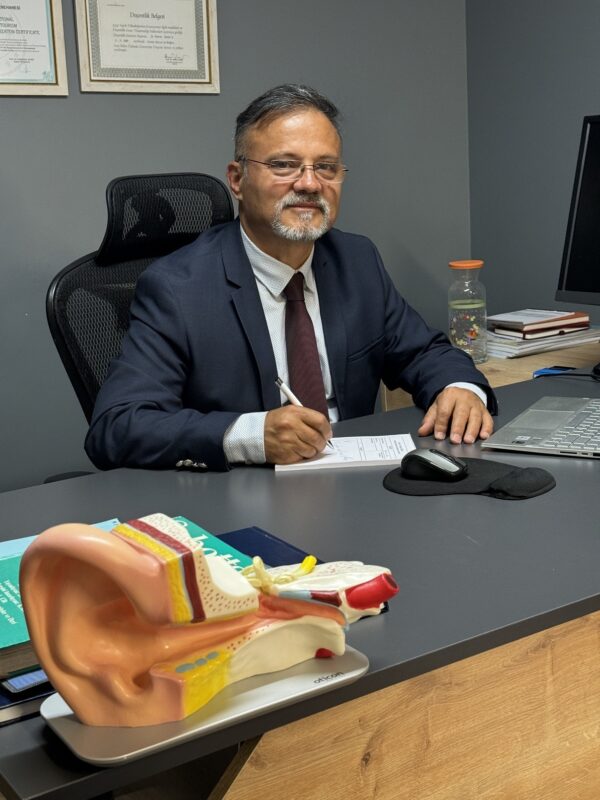
Prof. Dr. Fehmi Döner
ENT and Head & Neck Surgery Specialist
I completed my primary and secondary education in İzmir. I completed my medical education at Istanbul University Cerrahpaşa Faculty of Medicine in 1988. I received my specialization training at Atatürk University Faculty of Medicine, Department of Otorhinolaryngology. During my specialization training, in order to increase my knowledge and experience, I spent different periods of time at Istanbul University Istanbul Faculty of Medicine, Department of Otorhinolaryngology, and participated in clinical studies.
After receiving my specialization in 1994, I worked at Kütahya State Hospital for eight months, and then in December 1994, I was appointed as an assistant professor to the Department of Otorhinolaryngology at Süleyman Demirel University.
View MoreIn many patients, septal deviation (curvature of the nasal septum) is present, and this deviation usually causes enlargement of the turbinates (conchae) in the opposite nasal passage. Therefore, during septal deviation surgeries, in order to achieve satisfactory breathing results, the turbinates located in the nasal passage opposite the deviation must be properly reduced. Otherwise, as a result of septum correction, the previously wider side will narrow and congestion will occur.
Among the most common methods for reducing the inferior turbinates is radiofrequency application. This procedure aims to decrease the volume of the tissue beneath the mucosa of the inferior turbinates located on the side walls of the nasal cavity. As a result, thermal damage occurs in the tissues and these tissues harden. Within approximately 4-6 weeks, this hardened tissue helps the turbinates shrink.
Contact us to get information about treatments and create an appointment!
This procedure can usually be performed under local anesthesia and allows patients to quickly return to their daily activities after the operation. Radiofrequency treatment is a common option for the treatment of congestion caused by enlargement of the inferior turbinates and has a high success rate.
In some patients, other health problems may also be present that may cause enlargement of the inferior turbinates, such as allergic rhinitis or vasomotor rhinitis. Therefore, the possibility of recurrence of these problems after radiofrequency treatment should be taken into account.
Get in Touch!
Contact us to get information about treatments and create an appointment!
In addition, a surgical method called endoscopic turbinate reduction may also be used. This method involves partial removal of the inferior turbinates or reduction of the turbinate bone. This procedure is preferred depending on the size of the turbinates, the importance of the bone, cases where radiofrequency is insufficient, or when the turbinates are excessively large or deformed.
Endoscopic reduction surgery is usually performed under general anesthesia and is carried out using microdebrider technology. Since the mucosal integrity is not disrupted during the procedure, the risk of bleeding decreases and there is no need for nasal packing.
Both methods can be effective; however, the decision on which method to use is made depending on the patient’s needs and health condition. After treatment, patients can usually breathe more comfortably and their quality of life increases significantly.
Latest Posts

What Is a Failed Rhinoplasty? How Does It Happen? How Is It Recognized?
Prof. Dr. Fehmi Döner » General » What Is a Failed Rhinoplasty? How Does It [...]
Read More ➜
25
Feb
Feb
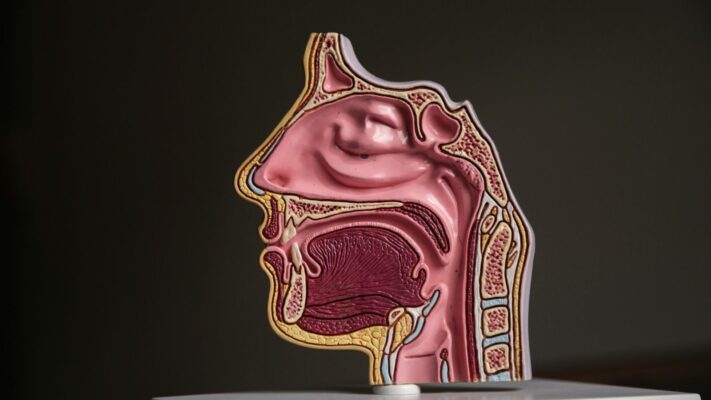
Nasal Anatomy and Its Functions
Prof. Dr. Fehmi Döner » General » Nasal Anatomy and Its FunctionsNasal anatomy consists of [...]
Read More ➜
25
Feb
Feb

What Is a Nose Type and What Are the Different Nose Types?
Prof. Dr. Fehmi Döner » General » What Is a Nose Type and What Are [...]
Read More ➜
25
Feb
Feb

My Nose Is Crooked After Rhinoplasty: What Should I Do?
Prof. Dr. Fehmi Döner » Rhinoplasty » My Nose Is Crooked After Rhinoplasty: What Should [...]
Read More ➜
23
Feb
Feb

Can Asymmetry of the Nostrils Occur After Rhinoplasty?
Prof. Dr. Fehmi Döner » Rhinoplasty » Can Asymmetry of the Nostrils Occur After Rhinoplasty?Asymmetry [...]
Read More ➜
23
Feb
Feb

Nasal Massage After Rhinoplasty
Prof. Dr. Fehmi Döner » Rhinoplasty » Nasal Massage After RhinoplastyNasal massage after rhinoplasty is [...]
Read More ➜
23
Feb
Feb

Swelling on the Nasal Bridge After Rhinoplasty
Prof. Dr. Fehmi Döner » Rhinoplasty » Swelling on the Nasal Bridge After RhinoplastySwelling on [...]
Read More ➜
23
Feb
Feb

What Should Be Considered After Rhinoplasty?
Prof. Dr. Fehmi Döner » Rhinoplasty » What Should Be Considered After Rhinoplasty?What to pay [...]
Read More ➜
23
Feb
Feb