
Septal deviation surgery in Turkey is a surgical procedure performed to correct the displacement of the nasal septum that obstructs normal airflow. The operation, medically known as septoplasty, aims to restore balanced nasal breathing, reduce chronic congestion, and improve overall nasal function through precise structural correction.
Cost of septal deviation surgery in Turkey is generally more accessible compared with many Western countries while maintaining internationally recognized medical standards. Accredited hospitals, advanced surgical technologies, and experienced otolaryngology specialists contribute to safe procedures and consistent postoperative outcomes.
Recovery process after septal deviation surgery in Turkey typically involves mild swelling, temporary nasal congestion, and a short healing period. Most patients resume normal daily activities within one to two weeks, while full stabilization of nasal tissues and optimal breathing improvement may develop gradually over several weeks.
ENT specialists performing septal deviation surgery in Turkey usually operate in modern medical centers equipped with endoscopic surgical systems. Comprehensive preoperative evaluation, individualized surgical planning, and structured postoperative monitoring ensure effective correction of septal deviation and long-term respiratory comfort.
About Me
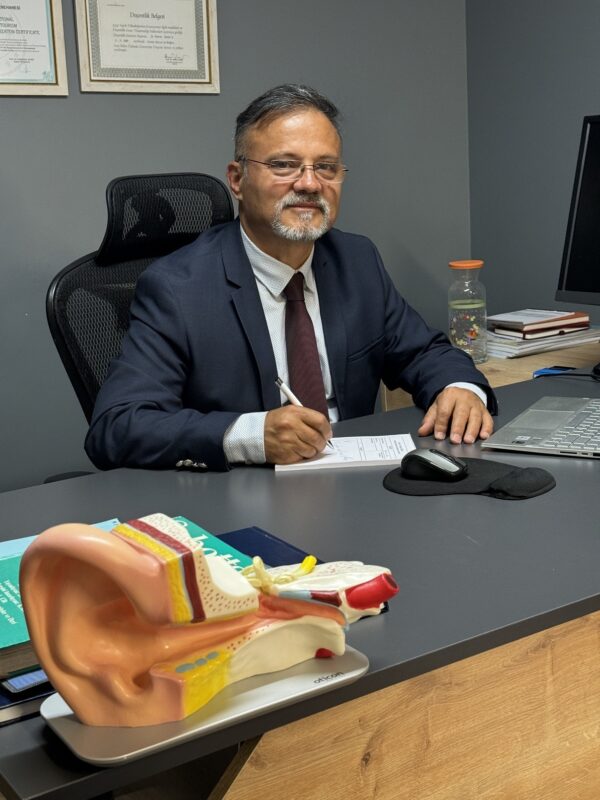
Prof. Dr. Fehmi Döner
ENT and Head & Neck Surgery Specialist
I completed my primary and secondary education in İzmir. I completed my medical education at Istanbul University Cerrahpaşa Faculty of Medicine in 1988. I received my specialization training at Atatürk University Faculty of Medicine, Department of Otorhinolaryngology. During my specialization training, in order to increase my knowledge and experience, I spent different periods of time at Istanbul University Istanbul Faculty of Medicine, Department of Otorhinolaryngology, and participated in clinical studies.
After receiving my specialization in 1994, I worked at Kütahya State Hospital for eight months, and then in December 1994, I was appointed as an assistant professor to the Department of Otorhinolaryngology at Süleyman Demirel University.
View MoreHow Does Septal Deviation Occur?
It is believed that septal deviation generally develops while passing through the mother’s birth canal during delivery or as a result of impacts received later in life.
Who May Suspect Septal Deviation?
People with complaints such as nasal congestion, difficulty breathing through the nose, snoring, mouth breathing, frequent sinusitis attacks, headaches, smell problems, and sleep disorders should consider the possibility of septal deviation. Therefore, a detailed Ear, Nose and Throat (ENT) examination may be required.
Contact us to get information about treatments and create an appointment!
Does the Nasal Structure Change Again After Septoplasty?
When septoplasty surgery is performed properly, the corrected nasal bones and cartilage will not become curved again. The success rate of septoplasty surgery is generally around 85%.
What Are the Expectations After Surgery?
After septoplasty surgery, patients will not have to deal with nasal packing because such packs are not used. Since absorbable sutures are used during the operation, there is no need for stitch removal, which makes postoperative care easier for patients. Mild nasal bleeding during the first few days and nasal congestion for about one week are normal. After this surgery, which does not require hospitalization, patients can usually return to their normal activities within a few days.
Get in Touch!
Contact us to get information about treatments and create an appointment!
What Happens If Septal Deviation Is Not Treated?
Septal deviation can cause problems such as nasal congestion, snoring, mouth breathing, and frequent sinusitis attacks. Therefore, septoplasty surgery is recommended for patients experiencing such issues. If left untreated, problems such as lack of quality sleep, low oxygen levels, snoring, breathing pauses during sleep, sleep disorders, throat dryness, chronic sinusitis attacks, and frequent nosebleeds may occur.
Unfortunately, this condition has not been sufficiently understood in our society and is often confused with cosmetic surgery. In addition, some people who do not require rhinoplasty may still have septal deviation. As a result, with a single surgery that both corrects the septal curvature and improves the shape of the nose, both functional and aesthetic problems can be resolved.
Latest Posts

What Is a Failed Rhinoplasty? How Does It Happen? How Is It Recognized?
Prof. Dr. Fehmi Döner » General » What Is a Failed Rhinoplasty? How Does It [...]
Read More ➜
25
Feb
Feb
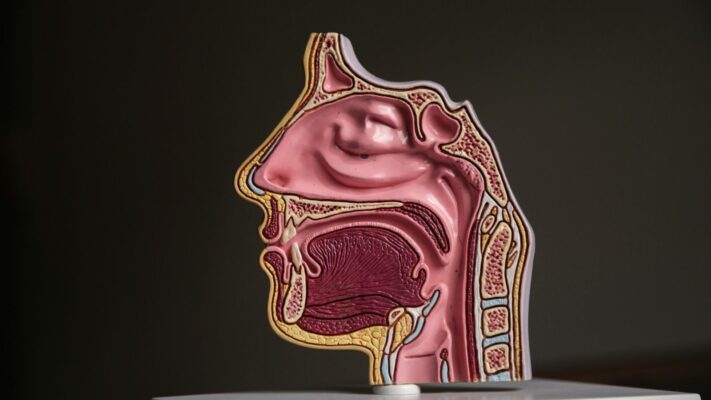
Nasal Anatomy and Its Functions
Prof. Dr. Fehmi Döner » General » Nasal Anatomy and Its FunctionsNasal anatomy consists of [...]
Read More ➜
25
Feb
Feb

What Is a Nose Type and What Are the Different Nose Types?
Prof. Dr. Fehmi Döner » General » What Is a Nose Type and What Are [...]
Read More ➜
25
Feb
Feb
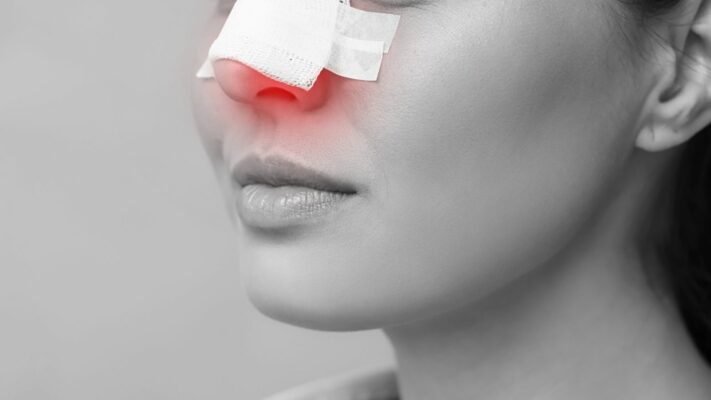
My Nose Is Crooked After Rhinoplasty: What Should I Do?
Prof. Dr. Fehmi Döner » Rhinoplasty » My Nose Is Crooked After Rhinoplasty: What Should [...]
Read More ➜
23
Feb
Feb
Can Asymmetry of the Nostrils Occur After Rhinoplasty?
Prof. Dr. Fehmi Döner » Rhinoplasty » Can Asymmetry of the Nostrils Occur After Rhinoplasty?Asymmetry [...]
Read More ➜
23
Feb
Feb

Nasal Massage After Rhinoplasty
Prof. Dr. Fehmi Döner » Rhinoplasty » Nasal Massage After RhinoplastyNasal massage after rhinoplasty is [...]
Read More ➜
23
Feb
Feb

Swelling on the Nasal Bridge After Rhinoplasty
Prof. Dr. Fehmi Döner » Rhinoplasty » Swelling on the Nasal Bridge After RhinoplastySwelling on [...]
Read More ➜
23
Feb
Feb

What Should Be Considered After Rhinoplasty?
Prof. Dr. Fehmi Döner » Rhinoplasty » What Should Be Considered After Rhinoplasty?What to pay [...]
Read More ➜
23
Feb
Feb