

Failed rhinoplasty is a condition in which aesthetic expectations are not met in the external appearance of the nose after rhinoplasty or problems arise in the nose’s breathing functions. This situation may include health problems such as difficulty breathing along with asymmetry, a protrusion or collapse in the nasal shape, or an unnatural appearance. In such cases, revision surgery is usually required, either as a minor procedure or as a repeat operation.
Symptoms of failed rhinoplasty usually become apparent after the postoperative healing process is completed, such as 6 months to 1 year later. Tip drooping, irregularities in the dorsum area, nostril asymmetry, and difficulty breathing are the most commonly observed findings. Psychological dissatisfaction and loss of self-confidence are also taken into account in the clinical evaluation.
Causes of failed rhinoplasty include inadequate surgical planning, lack of experience, and failure to choose a technique appropriate for the patient. Trauma, infection, and individual differences in tissue healing can also affect the outcome. Failure to properly analyze the anatomical structure increases the risk of aesthetic and functional complications.
The treatment process for revision rhinoplasty includes evaluating existing deformities through detailed examination and imaging methods. Surgical correction aims both to improve the aesthetic appearance and to reconstruct the nasal airway. Planning is individualized, and the healing process is monitored carefully.
What Is Failed Rhinoplasty?
Failed rhinoplasty is a situation in which the surgery cannot meet both aesthetic and functional expectations. This can manifest as the patient being dissatisfied with the appearance of their nose, experiencing difficulty breathing, or encountering unexpected postoperative complications. Various factors can lead to this failure, such as not achieving the desired result, obtaining an outcome different from the surgeon’s expectations, or encountering unexpected problems during the patient’s healing process. Rhinoplasty is a delicate surgical field that must be planned specifically according to an individual’s facial structure and wishes. For this reason, many factors such as the surgeon’s experience, the realism of the patient’s expectations, and proper postoperative care directly affect the success of the outcome.
- Anatomical and Aesthetic Dimensions of Failure
Failure is not limited to aesthetic concerns. The nose is a vital organ for respiratory function. Therefore, interventions performed with only aesthetic concerns while ignoring the nose’s breathing function can lead to serious functional problems by narrowing or blocking the airways. For example, excessive narrowing of the nostrils, incorrect reshaping of the septum (the cartilaginous wall in the middle of the nose), or weakening of the nasal wings can make breathing difficult. From an aesthetic standpoint, issues such as asymmetry, a drooping or overly upturned nasal tip, collapse of the nasal dorsum, unwanted protrusions, or an overall appearance that is incompatible with the face may occur. Such outcomes can undermine the patient’s self-confidence and may cause them to withdraw from social life.
Why Does Failed Rhinoplasty Occur?
The causes underlying failed rhinoplasty are quite diverse. Understanding these causes is of great importance in preventing similar problems in the future. Many factors affect this process, such as the competence of the surgical team, the patient’s anatomical structure, postoperative care, and the patient’s expectations.
- The Surgeon’s Experience and Technical Errors
Rhinoplasty is one of the most complex aesthetic surgeries. The surgeon’s experience, anatomical knowledge, and surgical technique directly determine the success of the result. A surgeon with insufficient experience may overlook the subtleties of the nasal structure or use an incorrect technique, leading to undesirable outcomes. For example, excessive removal of nasal cartilages or inadequate support can cause permanent deformities such as collapse of the nasal dorsum or drooping of the nasal tip. Even a small mistake during surgery can create major problems during the healing process. Therefore, choosing the surgeon is of vital importance. Working with a specialized, experienced surgeon with strong references minimizes the risks.
- The Patient’s Anatomical Structure and the Healing Process
Each individual’s nasal structure is unique. Some noses may inherently require more complex surgical interventions. For example, thick skin structure, previous traumas, or prior nasal surgeries can make the surgeon’s work more difficult and negatively affect the healing process. Weak cartilages or the presence of factors that hinder healing in the skin can lead to undesirable results despite the surgeon’s best intentions. In addition, the patient’s genetic predisposition or the body’s wound-healing capacity can also affect the results. In such cases, the surgeon must properly assess the patient’s anatomical characteristics and create a realistic surgical plan.
- Unrealistic Patient Expectations
Rhinoplasty aims to improve a person’s appearance, but it does not create miracles. Patients having expectations that are not suitable for their own facial structure, overly ambitious, or inspired by popular culture can lead to disappointment. It is very important for the surgeon to carefully listen to the patient’s expectations before surgery and clearly state whether these expectations are achievable. Some patients may request nose types they see on social media or those of celebrities. However, each face and each skin type is different, and not every nose type suits every face. For example, in a person with facial asymmetry, after nasal asymmetry is corrected with appropriate methods, it may recur to some extent over time due to facial asymmetry, even if much less than before, and can cause very slight inequality in the nostrils. To prevent this, using a silicone device suitable for the patient’s nostrils (nostril retainer) may be beneficial. The surgeon’s duty is to plan the procedures that can be performed on the nose to bring out the patient’s best version and to design a nose that is harmonious with the face and looks natural. Failure to achieve this harmony may cause the patient to be dissatisfied with the result.
- Postoperative Care and Complications
The postoperative period plays a critical role in the success of rhinoplasty. Not following the surgeon’s instructions, infection, bleeding, prolonged swelling, or unexpected complications (for example, infection, cartilage resorption, or scar tissue formation) can negatively affect the outcome. The risk of infection increases when sterilization rules are not followed and antibiotics are not used. Bleeding is related to inadequate control of vessels during surgery or the patient’s use of blood-thinning medications. Prolonged swelling is generally related to skin thickness, the surgical technique, or the patient’s healing rate. In some cases, traumas experienced in the early period after rhinoplasty (for example, receiving a blow to the nose) can also lead to deterioration in the nasal structure. Therefore, strictly following postoperative care instructions speeds up the healing process and reduces the risk of complications.
- Inadequate Planning and Communication
Insufficient preoperative planning and weak communication between the surgeon and the patient are important causes of unsuccessful results. The surgeon must examine the patient’s nose in detail, evaluate its harmony with other facial features, and clearly share the surgical plan with the patient. In particular, the patient’s skin structure, facial structure, and the presence of facial asymmetry are important. Tools such as modeling with computer software offered by technology can make this planning process more tangible. Having full information about the patient’s expectations, concerns, and medical history helps the surgeon make the right decisions. Lack of communication can lead to misunderstandings and therefore dissatisfaction. Developing a complete understanding of the risks, benefits, and possible outcomes of the surgery is important for both parties.
How Can Failed Rhinoplasty Be Recognized?
Recognizing a failed rhinoplasty manifests through both aesthetic and functional signs. It is usually easy for the patient to notice changes in their own nose, but sometimes these changes can emerge over time or may go unnoticed.
Aesthetic Signs
Aesthetic failure is the most common reason for dissatisfaction. These signs may include:
- Asymmetry: The two halves of the nose being noticeably different from each other. Situations such as the nostrils not being equal, one nasal wing being more upturned or lower, or the nasal dorsum being crooked indicate asymmetry. This gives the face an unbalanced appearance.
- Nasal Tip Problems: Issues such as the nasal tip being excessively upturned or drooping (pig nose appearance), appearing round or like a ball, or the nostrils being excessively narrowed or widened. The shape and projection of the nasal tip being incompatible with the face is also one of the aesthetic defects.
- Nasal Dorsum Deformities: Collapse of the nasal dorsum, unwanted height, or remaining protrusions. Depressions that occur especially as a result of insufficient support of cartilage or bone tissue are prominent aesthetic defects.
- Disproportion: The nose being large or small compared to other facial contours, and the proportion between the nasal bridge and the nasal tip being disrupted. A nose that is incompatible with the overall harmony of the face may be aesthetically disturbing.
- Unnatural Appearance: A nose that gives the impression that rhinoplasty has been performed, being overly pronounced or artificial-looking. A natural rhinoplasty matches the person’s face and does not make it obvious that an aesthetic intervention has taken place.
Functional Signs
In addition to aesthetic concerns, impairment of respiratory function is also an important indicator of failure. These signs may include:
- Difficulty Breathing: Unilateral or bilateral nasal obstruction after rhinoplasty, especially having difficulty breathing while exercising or sleeping at night. This may occur as a result of narrowing of the nasal passages or weakening of the nasal valve.
- Wheezing or Snoring: Sounds that occur due to impaired airflow inside the nose. This can negatively affect sleep quality and may disturb a partner.
- Habit of Mouth Breathing: Feeling the need to breathe through the mouth continuously due to nasal obstruction. This can lead to dry mouth, sore throat, and long-term dental health problems.
- Reduced Sense of Smell: A temporary or permanent decrease in the sense of smell due to changes in the intranasal structures or swelling. This can significantly reduce quality of life.
Problems That Appear Over Time
Some signs of failure may not be noticed immediately after surgery. They may emerge as tissues reshape during the healing process or as swelling decreases. For example, issues such as tip drooping or dorsal collapse may not be prominent in the first months but can become more visible over time. Cartilages shifting or weakening over time can also cause such late-appearing problems. Therefore, regular postoperative doctor check-ups are critical for early detection of possible issues.
Failed Rhinoplasty Revision (Second Rhinoplasty)
Having undergone a failed rhinoplasty can be devastating, but there is no need to despair. Revision rhinoplasty (second rhinoplasty) is a special procedure designed to correct problems that could not be resolved in the first surgery. This is usually a more complex procedure and requires more careful planning.
When Should Revision Surgery Be Considered?
The decision for revision surgery should generally be made at least one year after the first surgery. This period is necessary for the nasal tissues to heal completely and take their final shape. If there are serious functional problems (for example, severe shortness of breath) or obvious aesthetic defects, earlier evaluation may be possible. However, the general rule is to be patient so that tissues settle and the final result becomes clear. The patient’s lasting dissatisfaction with the results of the first surgery and this situation negatively affecting quality of life are also the main factors that lead to considering revision.
Challenges of Revision Surgery
Revision rhinoplasty is more difficult than the first surgery. There are several reasons for this:
- Tissue Damage: Since the nasal cartilages, bones, and soft tissues were intervened in during the first surgery, they may differ from normal tissues. In addition, changes may have been made and these structures may have been damaged in the first surgery. This means that there is less available material for reshaping.
- Scar Tissue: Scar tissue left by the first surgery can make a new surgery more challenging. Scar tissue reduces tissue mobility, adhesions form, and it makes the surgeon’s work more difficult.
- Cartilage Sources: Some of the nasal cartilage may have been used or removed in the first surgery. In this case, the surgeon may need to harvest cartilage from different areas such as rib cartilage or ear cartilage, or may need to use ready-made cartilage. This requires an additional surgical procedure.
- Complex Corrections: Correcting mistakes made in the first surgery usually requires more complex surgical maneuvers than the first surgery. For example, elevating a collapsed nasal dorsum or correcting an asymmetrical nasal tip requires delicate balance and advanced surgical skill.
Revision Surgery Process
The revision surgery process is similar to the first surgery but includes some differences:
- Detailed Evaluation: The surgeon reviews the patient’s first surgery reports, evaluates the current condition in detail, and listens to the patient’s expectations. Computer-assisted simulations can help with planning.
- Planning: The surgeon creates a special surgical plan to eliminate the problems from the first surgery and achieve the desired outcome. It is determined where cartilage grafts will be taken from and how they will be used.
- Surgery: Revision rhinoplasty surgery is usually performed under general anesthesia using the open rhinoplasty technique. The surgeon works meticulously to correct existing problems and reconstruct the nasal structure. Small problems requiring less revision can be corrected under local anesthesia.
- Recovery: The recovery process after revision surgery continues similarly to the first surgery. However, swelling may last longer or healing may be somewhat slower. Strictly following postoperative care instructions is critical for success.
Who Are Candidates for Failed Rhinoplasty?
People who have undergone a failed rhinoplasty and are considering revision surgery must meet certain criteria. This decision should not be made hastily and should be made as a result of a comprehensive evaluation.
Who Are Candidates?
- Those With Obvious Aesthetic Defects: Patients who experience aesthetic problems such as visible asymmetry, nasal tip deformity, dorsal collapse, incompatibility with the face, or facial asymmetry after the first surgery.
- Those With Serious Functional Problems: Patients who have problems such as difficulty breathing, persistent nasal congestion, or snoring that significantly affect respiratory function.
- Those Who Are Psychologically Ready: People who can understand the process that revision surgery will bring, whose expectations are realistic, and who can patiently adapt to the postoperative healing process.
- Those With Sufficient Tissue: Patients whom the surgeon assesses as having sufficient cartilage and bone tissue to reconstruct the nasal structure. If necessary, cartilage from the ear or rib, or ready-made cartilage grafts may be used.
- Those for Whom Enough Time Has Passed Since the First Surgery: Generally, at least one year after the first surgery, the nasal tissues are expected to heal completely and take their final shape. This period may vary depending on the surgeon’s assessment.
Who Are NOT Candidates?
- Those With Minor Defects: Patients who only have slightly disliked details and whose quality of life is not seriously affected by this situation. Minor defects can often be tolerated with makeup or by adjusting appearance from different angles.
- Those With Unrealistic Expectations: Patients who, unlike the first surgery, expect miraculous results from revision surgery and think it will completely compensate for the previous surgeon’s mistake. Revision surgeries also have limitations.
- Those With Health Problems: Patients with serious health problems such as uncontrolled diabetes, high blood pressure, bleeding disorders, or active infection. Such conditions increase surgical risk.
- Those With Insufficient Tissue Structure: Patients believed to have insufficient skin tissue or no remaining cartilage or bone tissue to reshape the nasal structure due to previous surgeries or traumas. In this case, surgeons should carefully evaluate risks and the likelihood of success.
- Those Who Need Psychological Support: People with psychological problems such as body dysmorphic disorder and who constantly focus on perceived flaws in their appearance. In such cases, psychological support is recommended first.
Ways to Prevent Failed Rhinoplasty
For anyone who does not want to experience a failed rhinoplasty, taking preventive steps is the smartest path. Choosing the right surgeon and managing the process consciously increases the chance of success.
Step-by-Step Prevention Guide
- Do Your Research: Research surgeons who are experienced in rhinoplasty, board-certified, and have good references. Read online reviews, but do not rely on them alone. Check the accreditations of hospitals or clinics.
- Get Multiple Opinions: Consult at least two or three different surgeons to gain different perspectives. Compare each surgeon’s approach, recommended techniques, and estimated results.
- Ask Questions: During preoperative consultations, do not hesitate to ask the doctor who will perform the surgery all the questions on your mind. Get clear information about the surgeon’s experience, techniques used, possible risks, recovery process, and your expectations.
- Use Photos and Simulation: You can ask your surgeon to show possible results by taking photos of your nose and using computer simulations. Even if they are not exactly the same, these examples help you make your expectations more concrete.
- Be Realistic: Try to understand what nose shape is most suitable for your face. Avoid overly ambitious expectations or those inspired by popular culture, taking into account any asymmetry in your face, skin thickness, and the extent of your deformity. Be open to your surgeon’s recommendations for your nose.
- Understand Risks and Complications: Every surgical procedure has risks. Learn from your surgeon about the possible risks, complications, and how these complications are managed. Do not forget that in revision surgery, possible risks may be somewhat higher than in the first surgery, even if rarely.
- Follow Postoperative Care Instructions: In the postoperative period, follow all instructions given by your surgeon (medication use, dressings, activity restrictions, etc.) meticulously. This ensures a smooth recovery process.
- Be Patient: The full recovery process after rhinoplasty can take up to a year. Early results can be misleading. Be patient and give yourself time for the tissues to settle.
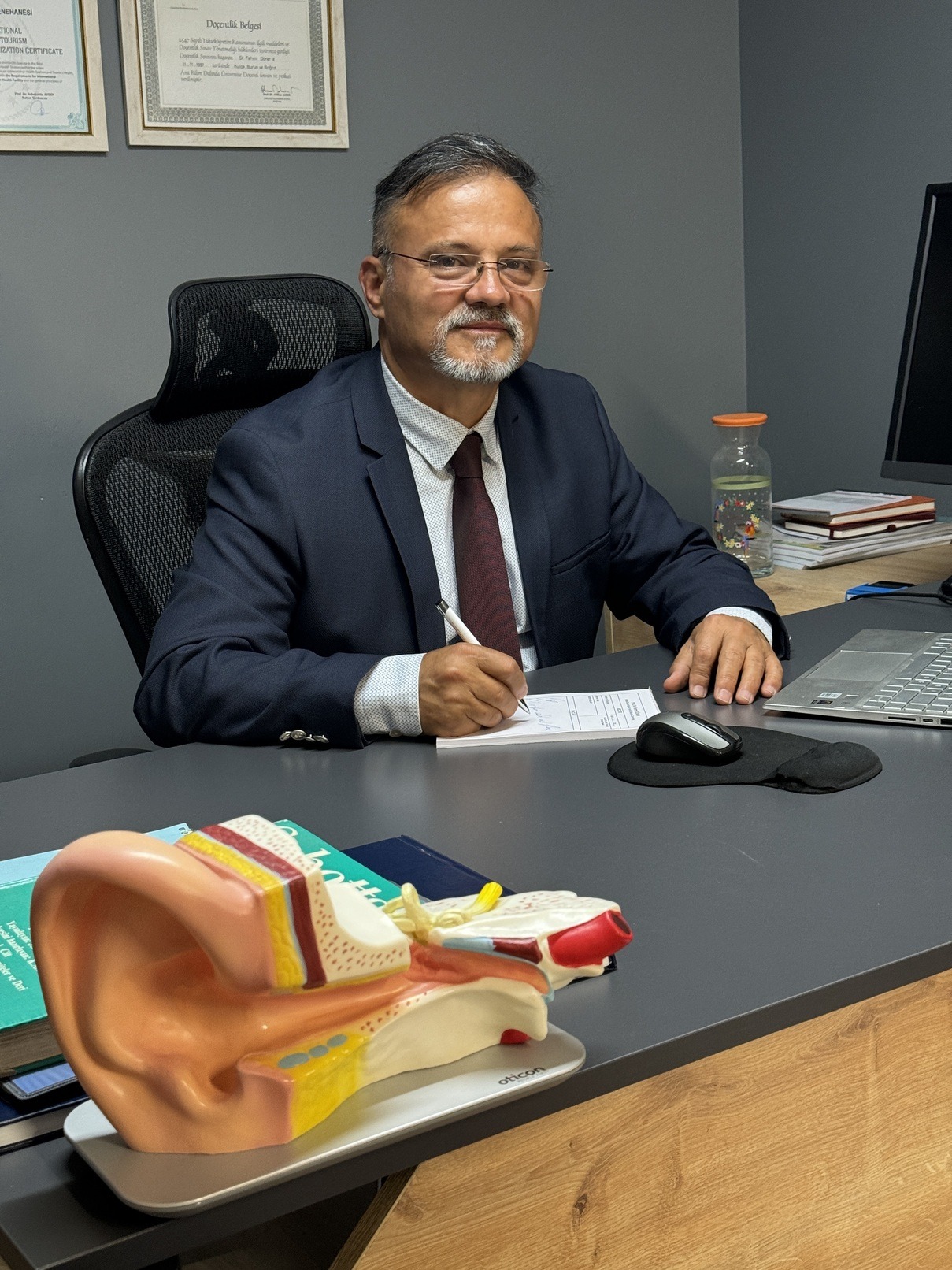
I completed my primary and secondary education in İzmir. I completed my medical education at Istanbul University Cerrahpaşa Faculty of Medicine in 1988. I received my specialization training at Atatürk University Faculty of Medicine, Department of Otorhinolaryngology. During my specialization training, in order to enhance my knowledge and experience, I spent various periods of time at Istanbul University Istanbul Faculty of Medicine, Department of Otorhinolaryngology, and participated in clinical studies. After obtaining my specialization in 1994, I worked for eight months at Kütahya State Hospital, and then in December 1994, I was appointed as an assistant professor at the Department of Otorhinolaryngology at Süleyman Demirel University.