
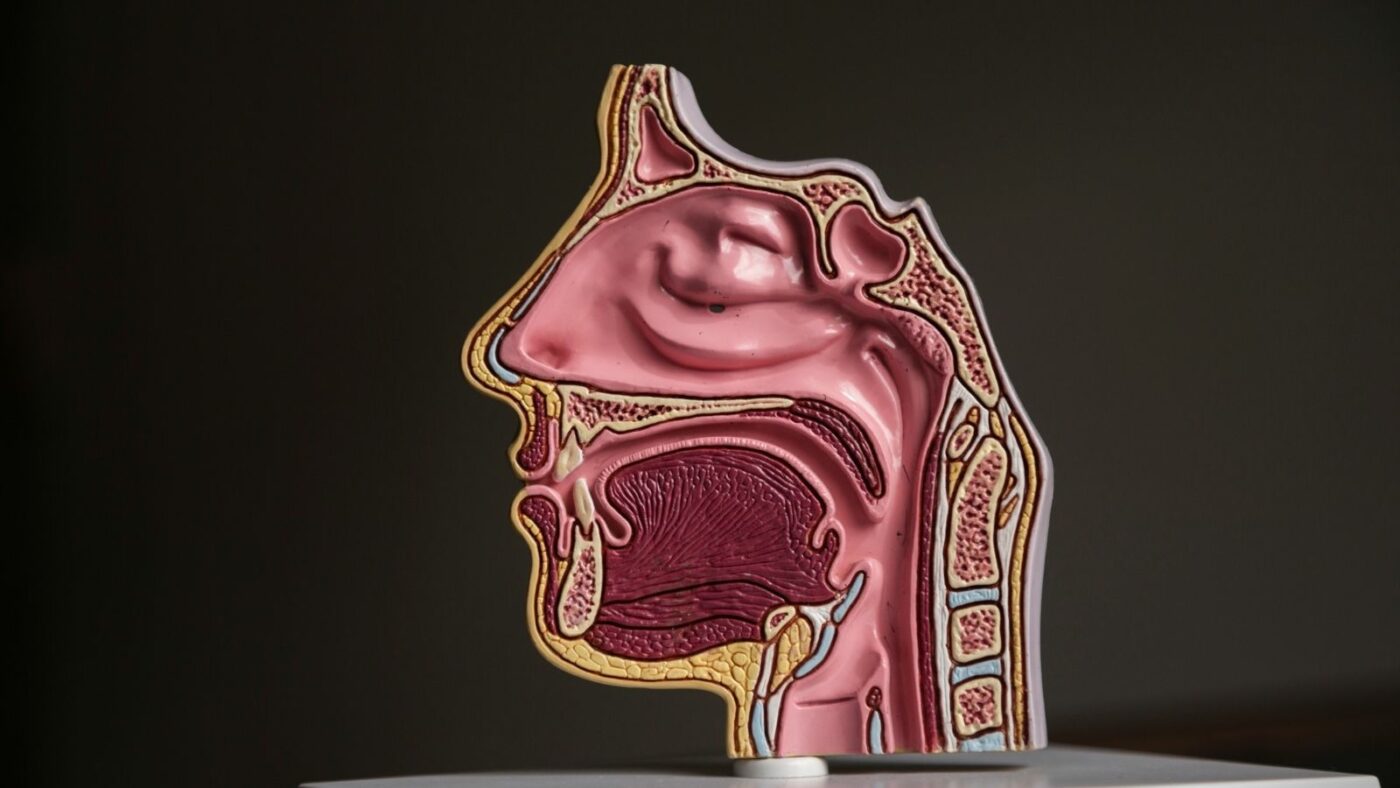
Nasal anatomy consists of bone, cartilage, and soft tissue structures that form the initial part of the respiratory system and enable air filtration, warming, and humidification. The nasal cavity ensures regular airflow through the septum and turbinates and plays a fundamental role in maintaining healthy respiratory function.
The main structures of nasal anatomy include the external nose, nasal septum, nasal turbinates, and paranasal sinuses. While bone and cartilage tissues provide structural support, the turbinate structures increase surface area, regulate the turbulence of inhaled air, and optimize breathing quality by prolonging mucosal contact time.
Physiological functions of the nasal cavity include air filtration, particle retention, and immune defense. Ciliated epithelial cells and the mucus layer capture microorganisms and foreign particles, preventing their passage into the lower airways and contributing to a reduced risk of infection.
Protective mechanisms of the nasal mucosa function effectively thanks to the vascular network structure and glands. The rich vascular network warms inhaled air, while seromucous glands maintain moisture balance. This holistic structure supports both respiratory function and the healthy maintenance of the sense of smell.
Main Components of Nasal Anatomy
Although the nose may appear to be a simple structure from the outside, it has a highly complex anatomical structure, both internal and external. This structure consists of various layers of bone, cartilage, and tissue. The external nose is the part that extends from the upper part of the face down to the nostrils. The internal nose includes the nasal cavities, turbinates (conchae), and sinuses. Each of these components contributes to the overall functioning of the nose. For example, the nostrils are the main entry points that allow air to enter. The cartilage and bone structure that forms the nasal septum divides the nasal cavities into two. The delicate balance of these structures is critical for the proper functioning of the nose.
External Nose Structure
The external nose is the visible part of the nose on the face. It consists of three main parts: the nasal root, the nasal dorsum, and the nasal tip. The nasal root is the depressed area between the two eyebrows. The nasal dorsum is the bony and cartilaginous structure that extends from the nasal root toward the nasal tip. The nasal tip is the lowest part of the nose and is generally shaped by cartilaginous structures. The shape of the external nose varies greatly from person to person depending on many factors such as genetic factors, age, and ethnic origin. The skin of the external nose is thin and flexible, which helps it adapt to nasal movements. In addition, the fatty tissue and sweat glands beneath the skin of the external nose contribute to keeping the nasal surface moist. Each of these structures determines both the aesthetic appearance and the functionality of the nose.
- Nasal Bones
The nasal bones that form the upper part of the external nose are part of the skeletal structure of the face. Typically, there are two nasal bones, and they meet at the midline to form the nasal bridge. These bones play an important role in protecting the nose against external impacts. Fracture of the nasal bones can lead to severe deformities in the nasal structure and breathing problems. The surfaces of the bones are covered by a mucosal membrane, and this membrane helps keep the nasal cavity moist. Therefore, the nasal bones not only provide structural support but also affect the health of the nasal mucosa.
- Nasal Cartilages
The cartilages that form the lower and lateral parts of the external nose give the nose flexibility and shape. The main cartilaginous structures include the nasal septal cartilage, the alar cartilages, and the free margin cartilages. The nasal septal cartilage forms the anterior part of the partition that separates the nasal cavities. The alar cartilages form the edges of the nostrils and allow them to widen and narrow during nasal movements. This flexibility helps regulate airflow during the breathing cycle. Damage to or inflammation of the cartilages can distort the shape of the nose and cause breathing difficulties. Therefore, the integrity of the cartilages is of great importance both aesthetically and functionally.
Internal Nasal Anatomy
The internal nose is a complex structure located just behind the external nose and includes the nasal cavities, turbinates (conchae), nasal septum, and sinuses. After entering through the nostrils, air passes through the internal nasal cavities. These cavities are lined with a mucosal membrane and perform important functions such as warming, humidifying, and filtering the air. Internal nasal anatomy constitutes the first line of defense of the respiratory system and prevents harmful particles from the external environment from reaching the lungs. A detailed understanding of the internal nose is essential for protecting nasal health.
- Nasal Cavities
The nasal cavities are wide spaces divided into right and left by the nasal septum. These cavities extend from the nostrils to the nasopharyngeal region. Their inner surfaces are covered with a moist tissue called the mucosal membrane. This mucosa produces mucus that traps dust, pollen, and microbes in the air. In addition, the cilia (tiny hair-like structures) on the mucosal surface help expel trapped particles from the body by pushing them toward the throat. The nasal cavities also warm and humidify the air before it reaches the lungs. This process is vital for protecting the delicate tissues of the lungs. About 70–80% of the moisture in the air is retained in the nasal cavities.
- Mucosal Membrane and Cilia
The mucosal membrane is a tissue that lines the inner surface of the nasal cavities and continuously produces mucus. This mucus traps particles and pathogens in the air. Millions of cilia on the mucosal membrane slowly move this mucus and the trapped particles toward the throat. This mechanism is known as the “mucociliary escalator” and plays a critical role in cleaning the airways. The movement of the cilia is about 15 times per second, and this continuous motion helps keep the nasal cavities sterile. Mucus production is about 1 liter per day and may vary depending on air quality. The health of the mucosal membrane is fundamental to overall nasal function.
- Nasal Septum
The nasal septum is a bony and cartilaginous structure that divides the nasal cavities into right and left. Its anterior part consists of cartilage, while its posterior part consists of bone. Ideally, the septum is positioned exactly in the midline and ensures that both nasal cavities are of equal size. However, septal deviations are quite common, and this can cause one nostril to be narrower than the other. Septal deviation can lead to various problems such as difficulty breathing, recurrent sinusitis, nosebleeds, and snoring. The severity of this condition depends on the degree and location of the deviation. Mild deviations of the septum are generally seen at a rate of 80–90%.
- Turbinates (Nasal Conchae)
Turbinates are bony protrusions located on the lateral walls of the nasal cavities. There are three main turbinates: superior, middle, and inferior. These structures significantly increase the surface area of the nasal cavities. The surface of the turbinates is covered with a mucosal membrane and is very rich in blood vessels. This rich blood supply plays a key role in warming and humidifying the air passing through the nose. The size and shape of the turbinates may vary from person to person. Sometimes, turbinates can enlarge excessively, narrowing the nasal cavities and causing breathing difficulties. This condition is called “turbinate hypertrophy” and may require treatment. Turbinates optimize airflow by creating turbulence, which enables better filtration and humidification of the air.
- Turbinate Hypertrophy
Turbinate hypertrophy is the condition in which the turbinates grow larger than normal. This enlargement can be triggered by various causes such as allergies, infections, or environmental factors. Enlarged turbinates obstruct the nasal cavities, making breathing difficult. The inferior turbinates enlarge more frequently and increase airway resistance. People with turbinate hypertrophy commonly experience nasal congestion, mouth breathing, snoring, and symptoms such as sleep apnea. Treatment can be carried out with medications or surgical methods (turbinate resection or reduction). This condition can significantly affect quality of life.
Relationship Between the Nose and the Sinuses
The nasal cavities are directly connected to the paranasal sinuses, which are air-filled cavities within the facial bones. These sinuses open into the nasal cavities through small openings (ostia) and are lined with the nasal mucosa. One of the main functions of the sinuses is to help keep this region moist by secreting a thin mucus into the nasal cavities. In addition, it is thought that the sinuses have roles such as lightening the facial bones and contributing to voice resonance. Infection of the sinuses (sinusitis) is a common condition that directly affects nasal health.
- Paranasal Sinuses
The paranasal sinuses are paired air cavities located in the forehead (frontal sinuses), cheekbones (maxillary sinuses), between the eyes (ethmoid sinuses), and behind the nose (sphenoid sinuses). These sinuses are ventilated and drained through small openings called ostia that open into the nasal cavities. The inner surface of the sinuses is a continuation of the mucosal membrane lining the nasal cavities and secretes mucus. Inflammation of the sinuses (sinusitis) can cause symptoms such as nasal congestion, facial pain, postnasal drip, and cough. Healthy sinuses are important for the overall health of the respiratory system.
- Sinusitis and Its Effects
Sinusitis is inflammation of the paranasal sinuses and usually occurs as a result of viral or bacterial infections. Blockage of the sinus ostia predisposes to mucus accumulation and infection. Chronic sinusitis is sinus inflammation lasting longer than 12 weeks and can seriously reduce quality of life. Symptoms of sinusitis include pain in the face and forehead region, nasal congestion, yellow-green nasal discharge, postnasal drip, cough, reduced sense of smell, and fatigue. Antibiotics, decongestants, nasal sprays, and sometimes surgical methods are used in treatment. Paying attention to nasal hygiene and keeping allergies under control are important for preventing sinusitis.
Vital Functions of the Nose
Beyond being merely an aesthetic organ, the nose performs essential functions that enable us to sustain life. These functions include breathing, smelling, filtering, humidifying, and warming the air. These complex functions of the nose are critical for our overall health and performance. Each function is carried out by specific structures of nasal anatomy, and coordination among these structures ensures efficient nasal function. A healthy nose is also an important indicator of our general health status.
- Breathing
Breathing is fundamental to life, and the nose plays the primary role in this process. Air entering through the nostrils is processed in the nasal cavities and sent to the lungs. Nasal breathing is much more efficient than mouth breathing. This is because the nasal passages slow airflow, allowing more time for oxygen absorption. In addition, nasal breathing delivers air to the lungs in more suitable conditions by humidifying and warming the airways. This process is important for protecting the lungs, especially in cold and dry weather. Adults breathe an average of 12–20 times per minute.
- Filtering, Humidifying, and Warming the Air
Air passing through the nose undergoes a series of processes. First, nasal hairs (vibrissae) trap large particles (dust, insects). Then, mucus produced by the mucosal membrane captures smaller dust, pollen, and microbes in the air. Cilia on the mucosal membrane move this mucus and the trapped particles toward the throat, helping expel them from the body. At the same time, the rich blood vessels in the nasal cavities warm the air to body temperature. The mucosal membrane also increases the humidity of the air, ensuring that air reaching the lungs is under more suitable conditions. This triple process of filtering, humidifying, and warming protects the airways and reduces infection risk. These processes occur thanks to the large surface area and rich vascularization of the nasal cavities.
- Smell (Olfaction)
The sense of smell is one of the most prominent functions of the nose. The olfactory epithelium located in the upper part of the nasal cavities contains odor receptors. When airborne molecules reach this region, they bind to receptors and send signals to the brain. These signals are interpreted by the brain as specific smells. The sense of smell plays an important role in detecting danger (for example, the smell of smoke or gas), assessing food freshness, and social interactions (through pheromones). Humans can distinguish approximately 1 trillion different odors. The sense of smell is also important for quality of life; it allows us to enjoy the taste of food and experience the world around us more richly.
- Olfactory Epithelium and Odor Perception
The olfactory epithelium is a specialized tissue located in the upper part of the nasal cavities. This epithelium contains millions of olfactory receptor cells that detect odor molecules. Each odor receptor responds to a specific group of molecules. When an odor molecule binds to a receptor, a series of chemical reactions is triggered within the cell, which is converted into a neural stimulus. This stimulus is transmitted via the olfactory nerves to the olfactory bulbs in the brain and then to the cerebral cortex. The brain processes these signals to identify the odor and store it in memory. The sense of smell is closely linked to memory and emotions; certain odors can trigger memories and emotional responses. The olfactory epithelium is a tissue that continuously renews itself; olfactory receptor cells are renewed approximately every 40–60 days.
- Voice Resonance and Speech
The nasal cavities also play an important role in the resonance of our voice. During speech, the vocal cords vibrate, and these vibrations echo in the oral and nasal cavities, determining the character of the voice. The shape and size of the nasal cavities affect the tone and quality of our voice. For example, the reason the voice sounds “blocked” or “nasal” in people with nasal congestion is the reduced nasal resonance. The nasal cavities contribute to a fuller and richer sound. Although this function is not as apparent as breathing or smelling, it is an important element of human communication.
- Part of the Immune System
The nose is one of the body’s first lines of defense and an important part of the immune system. The mucosal membrane forms a physical barrier against pathogens. Mucosal secretions contain antibodies and antimicrobial substances. The movement of the cilia helps expel trapped microbes and particles from the body. In addition, immune cells in nasal tissue help fight infections. Proper nasal function plays a critical role in preventing respiratory infections. Because the nasal mucosa is one of the first sites of contact with the external environment, it is of critical importance for the immune system.
Tips for Protecting Nasal Health
Protecting nasal health is one of the important steps we can take to maintain our overall health. Simple measures such as regular nasal cleansing, humidification, and protection from allergens help keep nasal functions at an optimal level. Avoiding irritants such as cigarette smoke is also beneficial for nasal health. A healthy nose means better breathing, a sharper sense of smell, and a lower risk of infections. Below are effective tips to help protect your nasal health.
- Regular Nasal Cleansing
Regular cleaning of the nostrils and nasal cavities prevents the accumulation of dust, pollen, and other particles in the air. Cleaning the nasal cavities using saline sprays or nasal irrigation kits helps thin the mucus and makes it easier to expel. This is especially beneficial for those living in dry and dusty environments or those with allergies. Performing nasal irrigation once or twice a day keeps the nasal passages clean and moist. Nasal irrigation reduces the risk of nasal congestion and sinus infections. However, it is important to use sterile water and apply the correct technique while performing this procedure.
- Nasal Irrigation (Nasal Rinse)
Nasal irrigation is the process of rinsing the nasal cavities with a saline solution. This method is effective for clearing mucus, allergens, pollutants, and infectious agents from the nose. Specially designed bottles, syringes, or containers called neti pots are typically used. Because the saline solution is close to the natural pH of the nasal mucosa, it does not cause irritation. Nasal irrigation helps relieve symptoms especially in conditions such as allergic rhinitis, sinusitis, and the common cold. This procedure can be performed with approximately 100 ml of saline solution and repeated 1–2 times a day. Performing nasal irrigation correctly enables the mucociliary mechanism to work more effectively.
- Humidification
Keeping the nasal cavities sufficiently moist is important for effective mucus function and for protecting the airways. Dry air can cause the nasal mucosa to dry out and crack. This can increase susceptibility to nosebleeds and infections. Using humidifiers to humidify indoor air is beneficial. In addition, drinking plenty of water helps maintain the body’s overall moisture balance. Using a humidifier, especially in winter or in air-conditioned/heated environments, is important for nasal health. Humidifiers should keep indoor humidity between 40–60%.
- Avoiding Allergens
Allergies can cause uncomfortable symptoms such as nasal congestion, sneezing, runny nose, and itching. Avoiding common allergens such as pollen, dust mites, mold, and pet dander helps prevent allergic reactions. Measures such as using HEPA-filter vacuum cleaners to improve indoor air quality, washing bedding regularly in hot water, and keeping pets out of the bedroom can be taken. When allergy symptoms occur, it is important to consult a doctor and receive appropriate treatment. Reducing exposure to allergens is key to protecting nasal health.
- Avoiding Irritants
Irritants such as cigarette smoke, strong perfumes, chemical cleaners, and air pollution can damage the nasal mucosa and cause inflammation. Avoiding exposure to such substances is important for protecting nasal health. Cigarette smoke, in particular, is extremely harmful to the nose and airways and can also increase the risk of nasal cancer. Not smoking indoors and staying in well-ventilated environments positively affects nasal health. Reducing time spent outdoors on days with intense air pollution is also beneficial.
Common Nasal Problems and Their Treatments
The nose is a sensitive organ that can experience problems for various reasons. Problems such as nasal congestion, nosebleeds, sinusitis, allergic rhinitis, and septal deviation can prevent the nose from performing its normal functions. Early diagnosis and correct treatment of these problems can significantly improve quality of life. An ear, nose, and throat specialist plays a key role in diagnosing and treating such problems. Below is information about common nasal problems and treatment methods.
- Nasal Congestion
Nasal congestion is a condition that occurs when the nasal passages narrow or become completely blocked. The most common causes include the common cold, influenza, allergic rhinitis, sinusitis, septal deviation, and turbinate hypertrophy. Nasal congestion makes breathing difficult, reduces sleep quality, and negatively affects quality of life. Treatment varies depending on the underlying cause. Methods such as decongestant nasal sprays, antihistamines, corticosteroid nasal sprays, and nasal irrigation can relieve symptoms. In severe cases, surgical intervention (septoplasty, turbinate reduction) may be required. Nasal congestion not only causes discomfort but can also lead to mouth breathing, resulting in secondary problems such as dry mouth and sore throat.
- Septal Deviation Treatment
Septal deviation is a condition in which the nasal septum is crooked and can obstruct breathing. While mild deviations often cause no symptoms, more pronounced deviations can lead to respiratory difficulty. Treatment is usually performed with a surgical procedure called septoplasty. During septoplasty, the surgeon corrects the crooked cartilage and bone tissue, centering the nasal septum and widening the nasal passages. This surgery is usually performed under local or general anesthesia, and the recovery period typically lasts a few weeks. Septoplasty is an effective method for resolving problems such as nasal congestion, recurrent sinusitis, and nosebleeds.
- Turbinate Hypertrophy Treatment
Turbinate hypertrophy is a condition in which excessive enlargement of the turbinates causes nasal congestion. In treatment, medications (corticosteroid nasal sprays) are tried first. When medication is insufficient or the turbinates are very large, surgical methods are preferred. Turbinate reduction procedures include radiofrequency, laser, or surgical removal of part of the turbinates. These procedures widen the nasal cavities and make breathing easier. Turbinate reduction can often be performed on an outpatient basis, and the recovery period is fast.
- Nosebleed (Epistaxis)
A nosebleed occurs when thin blood vessels inside the nose crack or tear. The most common causes include nasal trauma (a blow, scratching), dry air, allergies, infections, high blood pressure, and the use of blood-thinning medications. Most nosebleeds stop on their own. To stop bleeding, the head should be tilted forward and the nostrils should be pinched. If bleeding continues or recurs frequently, it is important to see a doctor. The doctor will determine the cause of the bleeding and provide appropriate treatment. In rare cases, surgical intervention or nasal packing may be required. Nosebleeds are more common in children and older adults.
- Allergic Rhinitis
Allergic rhinitis is a condition in which the nose overreacts to allergens such as pollen, dust mites, and mold. Symptoms include sneezing, runny nose, nasal itching, and nasal congestion. Antihistamines, corticosteroid nasal sprays, decongestants, and allergen avoidance strategies are used in treatment. In severe cases, allergy shots (immunotherapy) may also be considered. Allergic rhinitis can significantly reduce quality of life and may predispose to the development of other respiratory diseases such as asthma. Therefore, accurate diagnosis and treatment are important.
- Chronic Sinusitis
Chronic sinusitis is sinus inflammation that lasts longer than 12 weeks. Symptoms include facial pain, nasal congestion, postnasal drip, cough, and reduced sense of smell. Antibiotics, nasal sprays, and nasal irrigation are generally used in treatment. In patients who do not respond to medication or who have anatomical problems, surgery (endoscopic sinus surgery) may be required. Endoscopic sinus surgery improves drainage by widening the sinus ostia and prevents recurrence of infections. Because chronic sinusitis can seriously affect quality of life, early diagnosis and effective treatment are important.
The Relationship Between Nasal Health and Overall Health
Nasal health is not limited to breathing and smelling; it also directly affects our overall body health. A healthy nose helps us be more resistant to infections, improves sleep quality, and can even positively affect our mood. The connection between nasal and sinus health is an important factor in determining the spread and severity of respiratory infections. Neglecting nasal health can lead to more serious health problems in the long term. Therefore, caring for nasal health should be seen as part of our overall well-being.
- Respiratory Infections and the Nose
The nose is the first line of defense of the respiratory system and plays a critical role in preventing respiratory infections. The nasal mucosa reduces the risk of infection by trapping airborne microbes and expelling them from the body through the action of cilia. When there is nasal congestion or a disruption of nasal function, this defense mechanism weakens, and the risk of respiratory infections (common cold, influenza, bronchitis) increases. The importance of nasal health becomes even greater in children, older adults, and people with weakened immune systems. A healthy nose can also help prevent more serious infections such as pneumonia.
- Sleep Quality and Nasal Breathing
Being able to breathe effectively through the nose is fundamental to healthy sleep. Nasal congestion can lead to mouth breathing. Mouth breathing can cause dry mouth, sore throat, snoring, and sleep apnea during sleep. Sleep apnea is a serious sleep disorder in which breathing repeatedly stops and starts, and it increases the risk of excessive daytime sleepiness, concentration difficulties, and heart disease. Optimizing nasal breathing improves sleep quality and creates positive effects on overall health. Smoking and alcohol consumption are factors that negatively affect sleep quality and can also impair nasal health.
- Loss of Smell (Anosmia) and Psychological Effects
Loss of the sense of smell (anosmia) can have significant effects both practically and psychologically. Anosmia reduces the ability to detect danger (for example, a gas leak or burning smell). It can also lead to reduced enjoyment of food, loss of appetite, and weight loss. Because the sense of smell is closely linked to memory and emotions, anosmia can contribute to psychological problems such as depression and anxiety. Causes of loss of smell can include infections (common cold, influenza), head trauma, nasal polyps, sinus problems, and neurological diseases. Early diagnosis and treatment of loss of smell are important for preserving quality of life.
I completed my primary and secondary education in İzmir. I completed my medical education at Istanbul University Cerrahpaşa Faculty of Medicine in 1988. I received my specialization training at Atatürk University Faculty of Medicine, Department of Otorhinolaryngology. During my specialization training, in order to enhance my knowledge and experience, I spent various periods of time at Istanbul University Istanbul Faculty of Medicine, Department of Otorhinolaryngology, and participated in clinical studies. After obtaining my specialization in 1994, I worked for eight months at Kütahya State Hospital, and then in December 1994, I was appointed as an assistant professor at the Department of Otorhinolaryngology at Süleyman Demirel University.