

Rhinoplasty in Turkey is a surgical procedure performed to reshape the nose for aesthetic improvement or functional correction such as breathing difficulties. The operation is conducted by qualified plastic surgeons in accredited hospitals and combines advanced surgical techniques with comprehensive patient evaluation and postoperative care.
Cost of rhinoplasty in Turkey is generally lower than in many Western countries while maintaining high medical standards and modern surgical infrastructure. Treatment packages frequently include surgeon consultation, hospital services, anesthesia, accommodation, and follow-up care, making the procedure accessible to international patients.
Best clinics for rhinoplasty in Turkey operate under strict medical regulations and utilize advanced imaging technologies for preoperative planning. Experienced surgeons assess nasal structure, facial proportions, and airway function to design individualized surgical strategies that support both cosmetic harmony and functional stability.
Recovery process after rhinoplasty in Turkey typically involves a short clinical observation period followed by several weeks of gradual healing. Mild swelling and bruising are expected during the early stage, while final nasal contour becomes visible as tissues stabilize and postoperative guidelines are followed carefully.
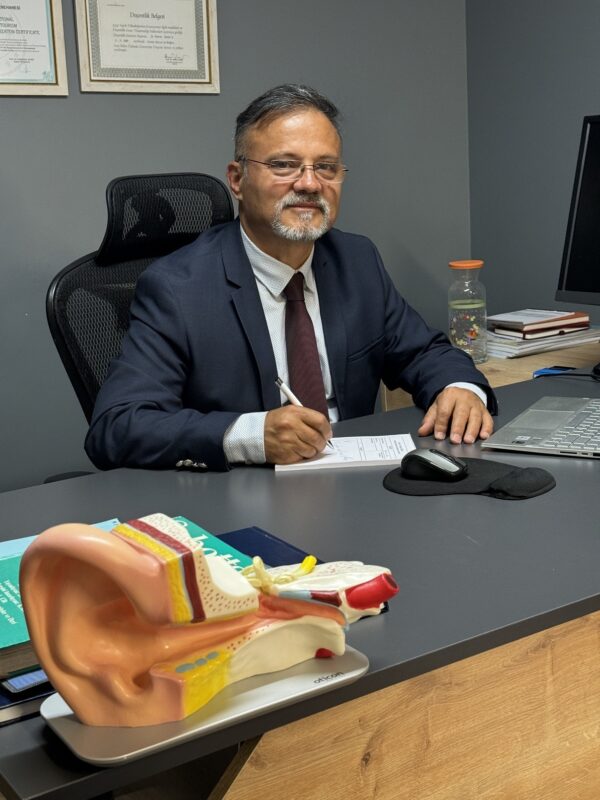
About Me
Prof. Dr. Fehmi Döner
ENT and Head & Neck Surgery Specialist
I completed my primary and secondary education in İzmir. I completed my medical education at Istanbul University Cerrahpaşa Faculty of Medicine in 1988. I received my specialization training at Atatürk University Faculty of Medicine, Department of Otorhinolaryngology. During my specialization training, in order to increase my knowledge and experience, I spent different periods of time at Istanbul University Istanbul Faculty of Medicine, Department of Otorhinolaryngology, and participated in clinical studies.
After receiving my specialization in 1994, I worked at Kütahya State Hospital for eight months, and then in December 1994, I was appointed as an assistant professor to the Department of Otorhinolaryngology at Süleyman Demirel University.
View MoreHow Is Rhinoplasty Performed?
Rhinoplasty is performed under general anesthesia. Only nasal tip surgeries can be performed under local anesthesia. Rhinoplasty can be performed using open or closed techniques. In the open technique, the surgery is performed with an inverted V-shaped incision on the protrusion between the nostrils. In the closed technique, the surgery is performed by entering through the nostrils. If the patient has no deformity at the nasal tip and only has a slight prominence on the nasal bone, the closed technique may be preferred. In nasal tip correction, revision surgeries, traumatic and fractured nose operations, the open technique may be more suitable.
Who Is Rhinoplasty Suitable For?
Because rhinoplasty requires the nose to have completed its physical development and the patient to have reached a certain psychological maturity, it should be performed after adolescence. In women, rhinoplasty can generally be safely performed after the age of 16, and in men after the age of 18. Every season of the year is suitable for rhinoplasty surgery.
Will There Be Scarring After Rhinoplasty?
Nose and facial aesthetic surgery is performed with two basic techniques: open and closed. In the closed method, there is no suture scar unless nasal tip narrowing is performed. The sutures used in nasal tip narrowing are generally placed in the area where the nose and cheeks meet; therefore, existing scars are not visible. In open surgeries, the sutures are located in the area between the nostrils. Surgical incisions and sutures made at the points where the nose joins the face ensure that scars are not visible. The only reason for any suture scar to occur in such operations may be that the surgical incisions were made in the wrong place or in an incorrect manner.
Contact us to get information about treatments and create an appointment!
How Is the Duration of Rhinoplasty Determined?
The duration of rhinoplasty varies depending on the complexity and extent of the changes the patient desires. In particular, revision surgeries performed to correct serious deformities can take approximately 7–8 hours, whereas 1.5–2 hours may be sufficient for smaller corrections. On average, a rhinoplasty operation takes about 3 hours.
What Are the Expected Results Immediately After Rhinoplasty?
In the early postoperative period, some bruising and swelling may usually be seen. The healing time for this swelling may vary from person to person. The medications given during the operation and ice compresses applied during the first 24 hours after surgery help reduce swelling and bruising. There is a risk of edema formation during the first two days after rhinoplasty. To reduce this risk, patients are advised to sleep in a slightly more upright position. In addition, it is recommended to avoid direct sunlight for at least 3 months and to avoid sports activities that pose a risk.
After Rhinoplasty, When Does the Nasal Shape Become Fully Clear?
After rhinoplasty, it may take between 6 months and 1 year for swelling to completely subside and for the nose to take its desired final shape, depending on the patient’s nasal structure. In people with thin nasal skin, the recovery time may be shorter because postoperative swelling is more likely to be minimal. In people with thick nasal skin, it may take longer for swelling to completely subside, generally around 1–1.5 years.
Get in Touch!
Contact us to get information about treatments and create an appointment!
What Are the Long-Term Results of Rhinoplasty?
The results of rhinoplasty generally begin to become noticeable after the first 3 months, but it may take about 1 year to evaluate the full effects of the operation.
Is Photography and Analysis Necessary for Rhinoplasty?
A critical stage of rhinoplasty is the preoperative digital photography and analysis process. This stage is extremely important for the success of the operation. In this process, in which each patient is photographed from different angles before surgery, computer programs are used to show the patient how the nose will be changed.
Are There Non-Surgical Options for Rhinoplasty?
As an alternative to rhinoplasty, non-surgical solutions are available. However, surgery is generally required to achieve permanent results. For those who prefer not to undergo surgery, non-surgical rhinoplasty applications exist, but these generally provide temporary results. You can click to get more information about a new method, Piezo Rhinoplasty.
What Should Be Done During the Preparation Phase for Rhinoplasty?
Patients who smoke should stop smoking at least two weeks before the operation. Smoking during the postoperative recovery process can negatively affect tissue healing; therefore, smoking should be avoided for about one month. In addition, aspirin and similar painkillers should not be used for at least 2 weeks before the operation. If pain relief is needed, a doctor must be consulted.
After colds, flu, and other febrile illnesses have resolved, it will be appropriate to perform the operation.
Latest Posts

What Is a Failed Rhinoplasty? How Does It Happen? How Is It Recognized?
Prof. Dr. Fehmi Döner » General » What Is a Failed Rhinoplasty? How Does It [...]
Read More ➜
25
Feb
Feb
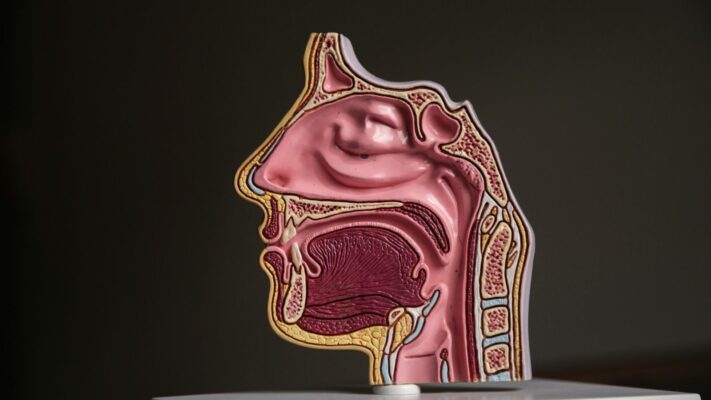
Nasal Anatomy and Its Functions
Prof. Dr. Fehmi Döner » General » Nasal Anatomy and Its FunctionsNasal anatomy consists of [...]
Read More ➜
25
Feb
Feb

What Is a Nose Type and What Are the Different Nose Types?
Prof. Dr. Fehmi Döner » General » What Is a Nose Type and What Are [...]
Read More ➜
25
Feb
Feb
My Nose Is Crooked After Rhinoplasty: What Should I Do?
Prof. Dr. Fehmi Döner » Rhinoplasty » My Nose Is Crooked After Rhinoplasty: What Should [...]
Read More ➜
23
Feb
Feb
Can Asymmetry of the Nostrils Occur After Rhinoplasty?
Prof. Dr. Fehmi Döner » Rhinoplasty » Can Asymmetry of the Nostrils Occur After Rhinoplasty?Asymmetry [...]
Read More ➜
23
Feb
Feb

Nasal Massage After Rhinoplasty
Prof. Dr. Fehmi Döner » Rhinoplasty » Nasal Massage After RhinoplastyNasal massage after rhinoplasty is [...]
Read More ➜
23
Feb
Feb

Swelling on the Nasal Bridge After Rhinoplasty
Prof. Dr. Fehmi Döner » Rhinoplasty » Swelling on the Nasal Bridge After RhinoplastySwelling on [...]
Read More ➜
23
Feb
Feb

What Should Be Considered After Rhinoplasty?
Prof. Dr. Fehmi Döner » Rhinoplasty » What Should Be Considered After Rhinoplasty?What to pay [...]
Read More ➜
23
Feb
Feb