

What to pay attention to after rhinoplasty is of critical importance for the healthy progress of the healing process and the preservation of the surgical result. In the first weeks after surgery, impacts to the nose should be avoided, the head should be kept elevated, and the medications recommended by the physician should be used regularly.
Management of swelling and bruising after rhinoplasty is a natural part of the operation and generally decreases noticeably within the first 7–14 days. Cold application should be performed carefully for the recommended duration, and excessive pressure should be avoided. Complete resolution of edema may take several months.
Sleeping position and daily activities after nasal surgery directly affect the quality of healing. In the first weeks, patients should sleep on their back with the head slightly elevated. Heavy exercise, bending, and sudden movements should be avoided; the use of glasses should be limited for the period specified by the physician.
Nutrition and hygiene rules after rhinoplasty are important to reduce the risk of infection and support tissue repair. Reducing salt intake contributes to edema control. Smoking and alcohol should be avoided, and intranasal cleaning should be performed only with the recommended solutions.
First Days After Surgery: Early Healing Process
After rhinoplasty, edema (swelling), ecchymosis (bruising), and mild blood leakage may be seen in the nasal tissues. This is a natural part of the inflammatory response that develops due to surgical trauma. Especially the first 48–72 hours are the most sensitive period of the healing process.
During this period, it is recommended to keep the head above heart level. Sleeping with a high pillow may contribute to reducing edema by facilitating venous return. Cold application should be performed as recommended by the doctor and without applying pressure directly to the nose. The aim is to limit swelling and bruising by reducing capillary permeability.
The splint or cast placed on the nose is generally not removed during the first week. These materials help the bone and cartilage structures remain stable in their new position.
Management of Edema and Bruising
Edema after rhinoplasty occurs not only on the skin surface but also in the deep soft tissues. Especially in people with thick skin, swelling may last longer. Most of the edema that is prominent in the first weeks decreases within a few weeks; however, residual edema at the nasal tip may persist for months.
This may create anxiety for patients. However, as lymphatic drainage in the nasal tissues returns to normal over time, the appearance gradually becomes clearer. It is important to be patient and not to evaluate the nasal shape in the early period.
Physical Activity and Return to Daily Life
Heavy physical activities should be avoided in the first weeks after surgery. Intense exercise, bending, and heavy lifting may increase blood pressure and raise the risk of bleeding. Light walks are generally allowed in the early period; however, for sports activities, the period recommended by the surgeon should be followed.
The nose should be protected from trauma. Especially within the first 6 weeks, the nasal bones have not yet fully fused and are more sensitive to impact. Caution should be exercised in crowded environments, and contact sports should be avoided for a while.
Nasal Cleaning and Hygiene
In the postoperative period, the intranasal mucosa may be swollen and sensitive. Crusting and dryness may occur. Isotonic solutions or seawater sprays recommended by the doctor may help keep the nasal mucosa moist.
Blowing the nose is generally not recommended in the first weeks. A sudden increase in pressure may damage healing tissues. When there is a need to sneeze, sneezing with the mouth open helps reduce intranasal pressure.
Nutrition and General Health Factors
Tissue healing is supported by adequate protein intake, vitamins (especially vitamin C), and sufficient fluid consumption. Smoking may reduce tissue oxygenation due to its vasoconstrictive effect and negatively affect the healing process. Therefore, it is recommended to avoid smoking in the preoperative and postoperative period.
Alcohol consumption may increase edema and may interact with some medications used. The surgeon’s recommendations on this matter should be taken into account.
Protection From Sun Exposure
After rhinoplasty, the skin may be more prone to hyperpigmentation (darkening of the skin), especially in areas with bruising. Direct sun exposure may make color changes permanent. Therefore, it is recommended to use a high-SPF sunscreen in the first months and avoid direct sunlight.
Use of Glasses
If the nasal bones were reshaped during surgery, wearing glasses may create pressure on the bone. This may affect the bone position. Generally, it is recommended not to wear glasses for a few weeks or to reduce the pressure with special support methods. The duration may vary depending on the surgical technique performed.
When Should a Doctor Be Consulted?
Mild blood leakage, edema, and sensitivity are expected findings after surgery. However, a doctor should definitely be consulted in the following situations:
- Severe and persistent bleeding
- High fever
- Increasing pain and redness
- Sudden change in shape
- Marked worsening in breathing
These signs may indicate infection, hematoma, or other complications and require specialist evaluation.
Psychological Process and Management of Expectations
Healing after rhinoplasty is not only a physical process but also a psychological one. It takes time for edema to subside and for the final result to appear. The appearance in the mirror in the first weeks may not reflect the final shape planned before surgery.
It is important for patients to have realistic expectations during this process and to maintain communication with their surgeon. Aesthetic surgery can yield variable results depending on individual anatomical features, and each person’s healing process is different.
Evaluation of Long-Term Results
The final result in rhinoplasty is usually evaluated between 6–12 months. This period is necessary for the completion of the tissue remodeling process. Especially thinning and contour definition at the nasal tip become clearer over time.
Throughout this entire process, attending regular follow-up examinations is important for monitoring healing. As with any surgical intervention, postoperative care after rhinoplasty is individualized, and all recommendations should be planned within the framework of individual evaluation.
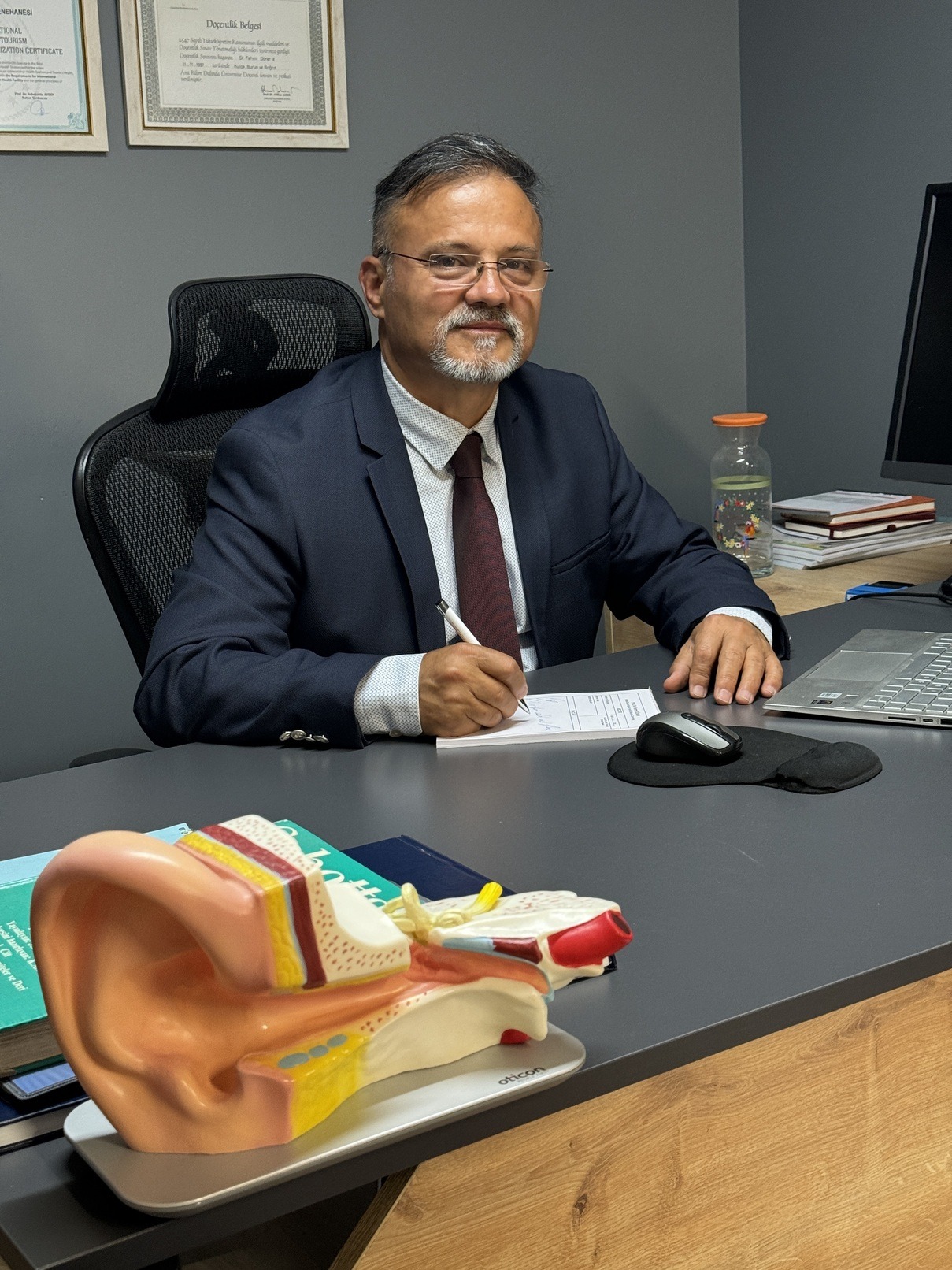
I completed my primary and secondary education in İzmir. I completed my medical education at Istanbul University Cerrahpaşa Faculty of Medicine in 1988. I received my specialization training at Atatürk University Faculty of Medicine, Department of Otorhinolaryngology. During my specialization training, in order to enhance my knowledge and experience, I spent various periods of time at Istanbul University Istanbul Faculty of Medicine, Department of Otorhinolaryngology, and participated in clinical studies. After obtaining my specialization in 1994, I worked for eight months at Kütahya State Hospital, and then in December 1994, I was appointed as an assistant professor at the Department of Otorhinolaryngology at Süleyman Demirel University.