
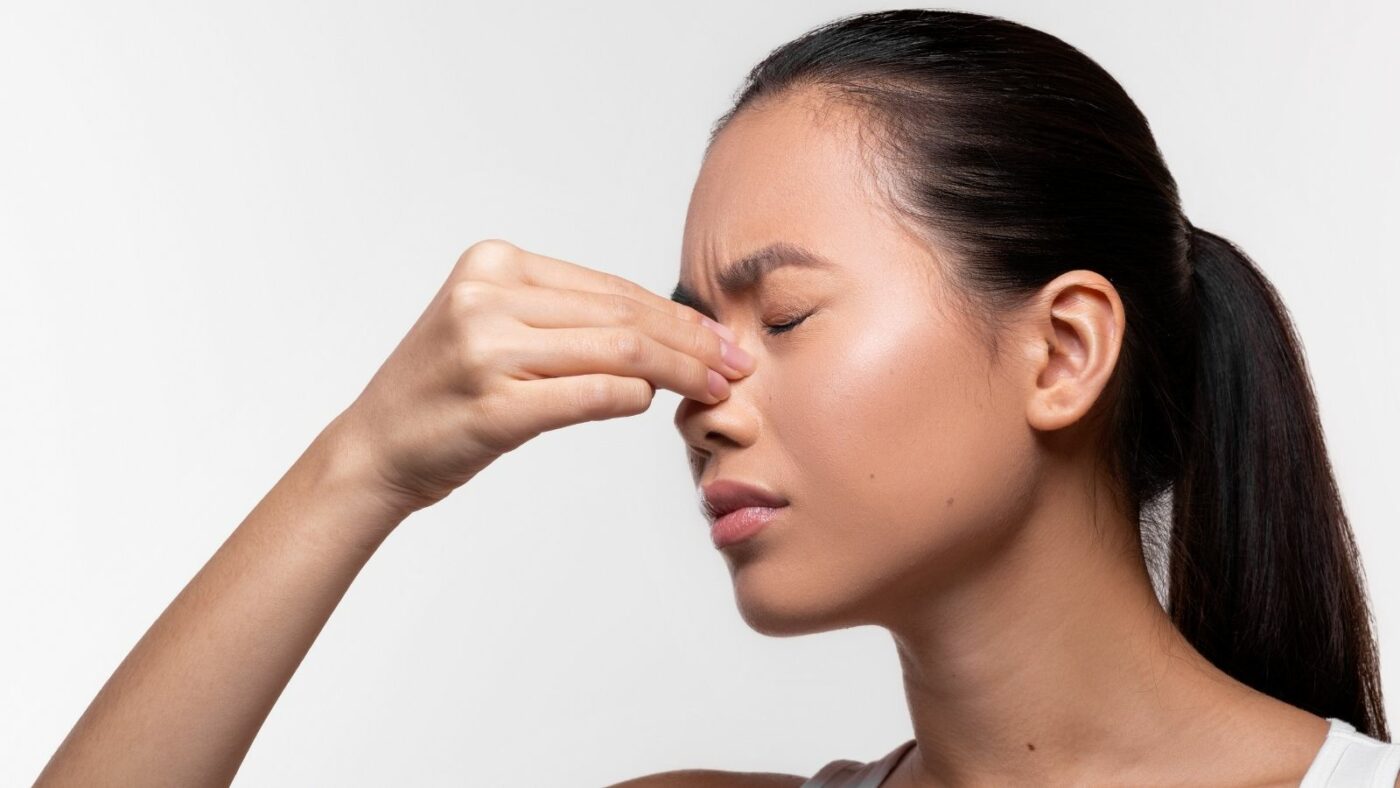
What to do for swelling after rhinoplasty is important for controlling edema and accelerating healing. In the first 48 hours, intermittent cold application should be performed, the head should be kept elevated, and the medications recommended by the physician should be used regularly. Avoiding physical trauma supports healing.
Edema management after rhinoplasty is based on preserving lymphatic circulation and balancing tissue healing. Reducing salt intake, maintaining adequate fluid intake, and avoiding strenuous exercise prevent swelling from increasing. Smoking and alcohol use may negatively affect the healing process.
The question of when swelling goes down after rhinoplasty varies depending on the patient’s skin type and the surgical technique. Edema that is prominent in the first weeks decreases over time; it may take months for final results to appear. One should be patient and not miss follow-up visits.
Postoperative care recommendations after nasal surgery aim to reduce the risk of complications. The use of glasses should be postponed, sleeping face down should be avoided, and the nasal area should not be subjected to impact. Nasal tapes and splints should be kept in place for the period specified by the doctor.
Why Does Swelling Occur After Rhinoplasty?
During rhinoplasty, surgical manipulation is performed on the skin, bone, and cartilage tissues. This procedure causes micro-level trauma in the tissues. After trauma, mechanisms such as:
- Increased vascular permeability (increased permeability of blood vessels),
- Release of inflammatory mediators,
- Accumulation of tissue fluid in the interstitial space
come into play in the area. This physiological process is part of healing.
Edema usually reaches its most prominent level within the first 48–72 hours. Then it gradually decreases. However, in areas with thicker skin, such as the nasal tip, it may take months for swelling to resolve completely. This varies from patient to patient.
Cold Application in the First Days
One of the most commonly recommended methods in the early postoperative period is cold application. Cold can reduce the passage of fluid into the tissue by providing vasoconstriction (narrowing of blood vessels).
Points to pay attention to:
- Cold application is not applied directly on the nose, but generally to the cheeks and around the eyes.
- Ice should not come into direct contact with the skin.
- It should be applied at short intervals and in a controlled manner.
This practice is especially more effective within the first 48 hours. However, it may not yield the same result in every patient; the application must be performed in line with the surgeon’s recommendations.
Importance of Head Position
Keeping the head above heart level in the postoperative period may facilitate venous return and contribute to reducing edema.
Therefore, the following are recommended:
- Sleeping with a high pillow in the first days,
- Avoiding bending forward,
- Staying away from sudden head movements
Sleeping position is especially important in the first week. Side sleeping or a face-down position may create unwanted pressure on the nasal structure.
Salt Intake and Dietary Pattern
Sodium is associated with fluid retention in the body. Excessive salt intake may contribute to making edema more pronounced by increasing the amount of interstitial fluid.
Therefore, in the early postoperative period:
- Limiting salty and processed foods,
- Ensuring adequate fluid intake,
- Balanced and protein-rich nutrition
may support the healing process.
Protein plays an important role in tissue repair. However, the dietary pattern should be planned according to the individual health status.
Attention to Physical Activity
Avoiding strenuous exercise is recommended in the early postoperative period. Intense physical activity may cause:
- An increase in blood pressure,
- Vasodilation,
- An increase in edema and bruising
While light walks are usually allowed within a short time, the surgeon’s evaluation is required for intense exercise. Each patient’s healing process is different; therefore, individual recommendations should be prioritized.
Effect of Smoking and Alcohol
Smoking may negatively affect wound healing by reducing tissue oxygenation. In addition, nicotine has a vasoconstrictive effect on vascular structure and may complicate the healing process.
Alcohol, on the other hand, may increase edema by causing vasodilation.
Therefore, staying away from these substances in the postoperative period is important in terms of reducing the risk of complications.
Massage and Taping Applications
In some patients, special lymphatic drainage massage or taping techniques may be recommended by the surgeon. These practices aim to:
- Support lymphatic flow,
- Accelerate the resolution of edema
However, massage is not recommended for every rhinoplasty patient. Especially in patients who have undergone bone intervention, uncontrolled massage in the early period may lead to undesirable results. Therefore, it should be applied only under the physician’s guidance.
Corticosteroids and Medical Support
In some cases, short-term corticosteroid use may be planned under the doctor’s supervision. Corticosteroids may contribute to reducing edema by suppressing the inflammatory response.
However, these medications have:
- Systemic side effects,
- Dose- and duration-related risks
Therefore, it is important that patients do not use medications on their own.
When Is Swelling Expected to Go Away?
One of the most frequently asked questions by patients is, “When will the swelling go away completely?” There is no single answer to this question.
In general:
- There is a noticeable decrease in the first week.
- Most of the edema subsides within the first month.
- It may take 6–12 months for the final nasal shape to settle.
Nasal tip edema may last longer, especially in patients with thick skin. This is usually not pathological; however, the physician should be consulted in cases of more than expected, asymmetric, or painful swelling.
In Which Situations Should a Doctor Be Consulted?
In the following situations, specialist evaluation is required without delay:
- Sudden and unilateral increasing swelling,
- Severe pain,
- High fever,
- Redness and discharge,
- Marked difficulty in breathing.
These symptoms may be a sign of complications such as infection or hematoma. Early intervention is important.
Patience and Realistic Expectations
The healing process after rhinoplasty is gradual. The appearance patients see in the mirror in the early period is usually not the final result. Resolution of edema takes time and depends on individual healing capacity.
In this process:
- Not missing follow-up visits,
- Complying with the doctor’s recommendations,
- Maintaining realistic expectations
contributes to healthy healing progress.
Swelling after rhinoplasty is a natural and temporary healing response in most patients. However, like any surgical procedure, rhinoplasty is individual-specific. Therefore, the postoperative process must be planned individually by the specialist physician who evaluates the patient.
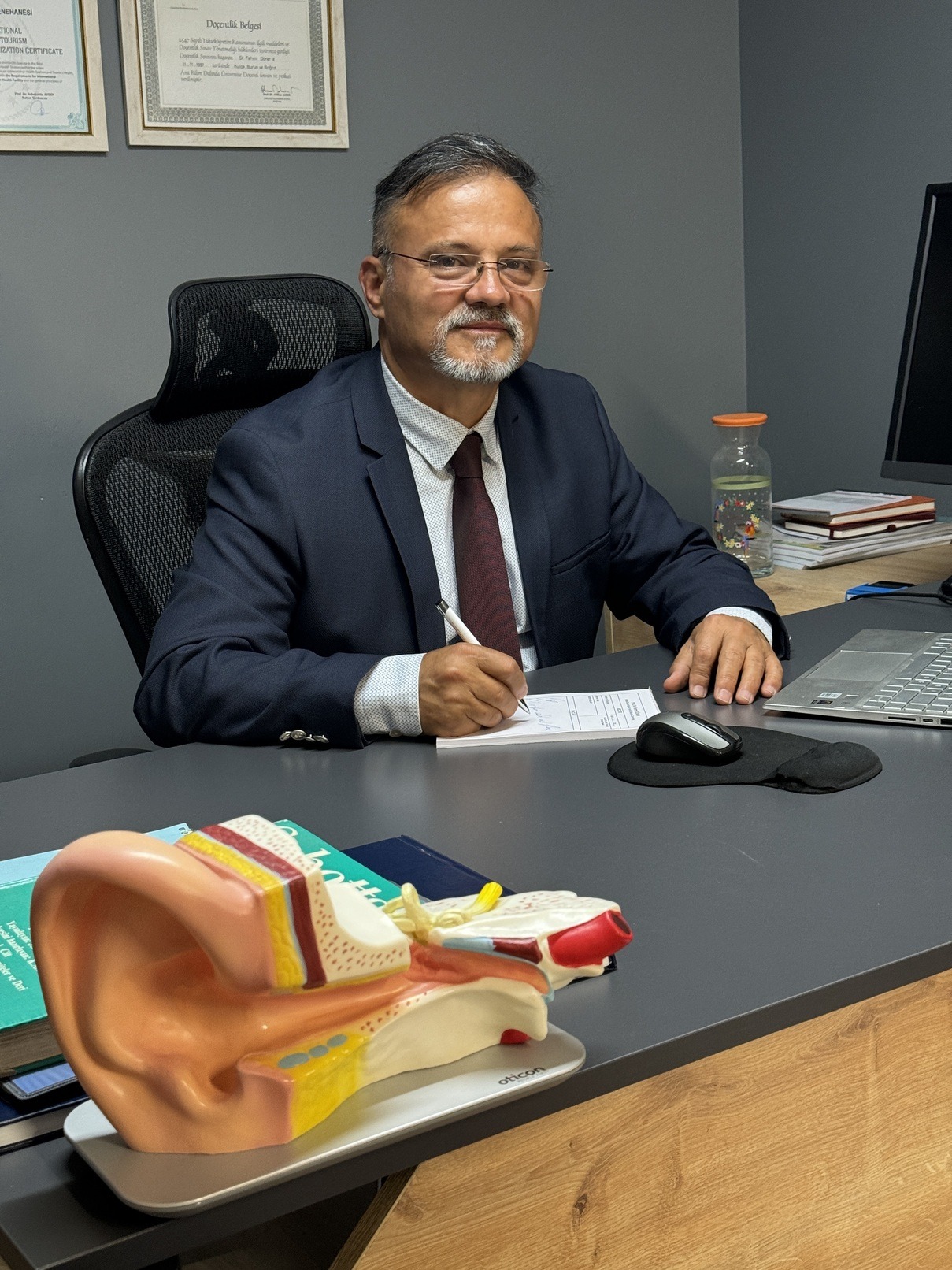
I completed my primary and secondary education in İzmir. I completed my medical education at Istanbul University Cerrahpaşa Faculty of Medicine in 1988. I received my specialization training at Atatürk University Faculty of Medicine, Department of Otorhinolaryngology. During my specialization training, in order to enhance my knowledge and experience, I spent various periods of time at Istanbul University Istanbul Faculty of Medicine, Department of Otorhinolaryngology, and participated in clinical studies. After obtaining my specialization in 1994, I worked for eight months at Kütahya State Hospital, and then in December 1994, I was appointed as an assistant professor at the Department of Otorhinolaryngology at Süleyman Demirel University.