


Swelling on the nasal bridge after rhinoplasty is a natural result of edema caused by surgical trauma and the tissue healing process. Procedures performed on bone and cartilage structures during surgery can lead to localized fluid accumulation, creating noticeable swelling especially in the first weeks.
The duration of edema after rhinoplasty varies depending on the patient’s skin type, the extent of the procedure, and the speed of healing. In individuals with thin skin, swelling regresses more quickly, whereas in thick skin, complete resolution of edema on the nasal bridge may take several months and requires patient follow-up.
Postoperative hardness and swelling on the nasal bridge are associated with the formation of healing tissue and a temporary fibrotic reaction. This condition is generally not permanent; it gradually decreases with regular follow-ups, massage applications in accordance with the doctor’s recommendation, and edema-reducing measures.
Methods to reduce swelling after rhinoplasty include keeping the head elevated, cold application, restricting salt intake, and protection from trauma. Avoiding impacts to the nasal bridge during the healing process and following the medical treatment recommended by the physician reduce the risk of complications.
Why Does Edema Occur After Rhinoplasty?
During rhinoplasty, surgical procedures are performed on bone (nasal bone), cartilage (the septum and upper lateral cartilages), and soft tissues. These interventions initiate the inflammation process, which is the body’s natural defense mechanism. Inflammation is characterized by increased vascular permeability, regional fluid accumulation (edema), and a cellular healing response.
The nasal bridge may show more pronounced edema, especially in cases where bone structures are shaped (osteotomy performed). Osteotomy is a surgical procedure that allows the nasal bones to be repositioned in a controlled manner. After this procedure, inflammation developing in the periosteal tissue (the membrane around the bone) may be observed as swelling on the nasal bridge.
In addition, skin thickness is also an important factor. In individuals with thick skin, resolution of edema may take longer, whereas in thin-skinned patients swelling may decrease earlier, but irregularities may be noticed more clearly.
How Long Does Nasal Bridge Swelling Last?
Edema after rhinoplasty is evaluated in two phases: early and late edema.
The first 7–14 days are the period when inflammation is most intense. During this process, noticeable swelling, firmness, and mild tenderness may be seen on the nasal bridge. After the cast or splint is removed, patients may usually perceive the nasal bridge as wider or higher than it actually is.
Within the first month, a significant portion of the edema subsides. However, minimal swellings may persist for a few months, especially in the upper part of the nasal bridge (the radix region) and in bony transition areas. The final tissue settling process may be completed between 6–12 months. This duration may vary depending on the individual healing response.
The duration and degree of swelling are related to the extent of the surgery performed, whether it was a revision surgery, skin characteristics, and the patient’s adherence to postoperative recommendations.
Situations Where Swelling Is Normal and Not Normal
Swelling on the nasal bridge that is symmetrical, soft in consistency, and tends to decrease over time is generally part of the normal healing process. This condition is mostly painless or accompanied by mild tenderness.
However, in the following situations, it is important to inform the surgical team:
- Progressively increasing swelling
- Accompanied by severe pain
- Redness and increased warmth of the skin
- Discharge or signs of infection
- Sudden onset asymmetry
These findings may indicate infection, hematoma (blood accumulation), or, in rare cases, tissue healing problems. Early evaluation is clinically important in such a situation.
Why Does a Feeling of Firmness Occur on the Nasal Bridge?
Patients may describe not only swelling but also a feeling of firmness on the nasal bridge. This is mostly related to the fibrotic healing process. After surgery, collagen production increases in the tissues and temporary fibrosis may develop. This process is a natural part of tissue remodeling.
Fibrotic firmness softens over time; however, this transformation may take weeks or even months. Therefore, the nasal bridge feeling “hard as a rock” in the early period generally does not mean it is permanent.
Factors Affecting Edema
There are various factors that affect the degree of swelling on the nasal bridge after rhinoplasty:
- Extent of the surgical technique (open or closed rhinoplasty)
- Whether bone intervention was performed
- The patient’s skin thickness
- Smoking
- Systemic diseases (for example, diabetes)
- Lymphatic drainage capacity
Smoking may negatively affect tissue healing by impairing microcirculation. This may cause edema to last longer. Similarly, uncontrolled systemic diseases may prolong the healing process.
Patients’ Most Common Concerns
After rhinoplasty, patients often wonder whether swelling on the nasal bridge will lead to a permanent hump appearance. In the early period, the nasal bridge may be perceived as not straight due to edema. However, the true bone and cartilage contour becomes clearer as the edema resolves.
Therefore, visual evaluations made in the first weeks after surgery may often be misleading. Surgeons generally recommend waiting at least a few months for the final aesthetic evaluation.
What Should Be Considered During the Healing Process?
The recommended head position, cold application, and restriction of physical activities in the postoperative period may play a role in edema control. However, these practices should be planned individually. Since each patient’s surgical details are different, a standard approach may not be appropriate.
It is important to avoid impacts to the nasal area, limit heavy exercise in the early period, and not miss doctor follow-up appointments. Patiently following the natural course of edema is often the healthiest approach.
When Is Specialist Evaluation Required?
If swelling on the nasal bridge lasts longer than expected, an asymmetric appearance has developed, or the patient has significant anxiety about the aesthetic outcome, an evaluation with the surgeon should be planned. In some cases, distinguishing late-stage edema from structural irregularities requires a clinical examination.
When deemed necessary, a detailed evaluation may be performed by an Ear, Nose, and Throat (ENT) specialist or a plastic surgery specialist. This evaluation may include a physical examination, photo comparisons, and, rarely, imaging methods.
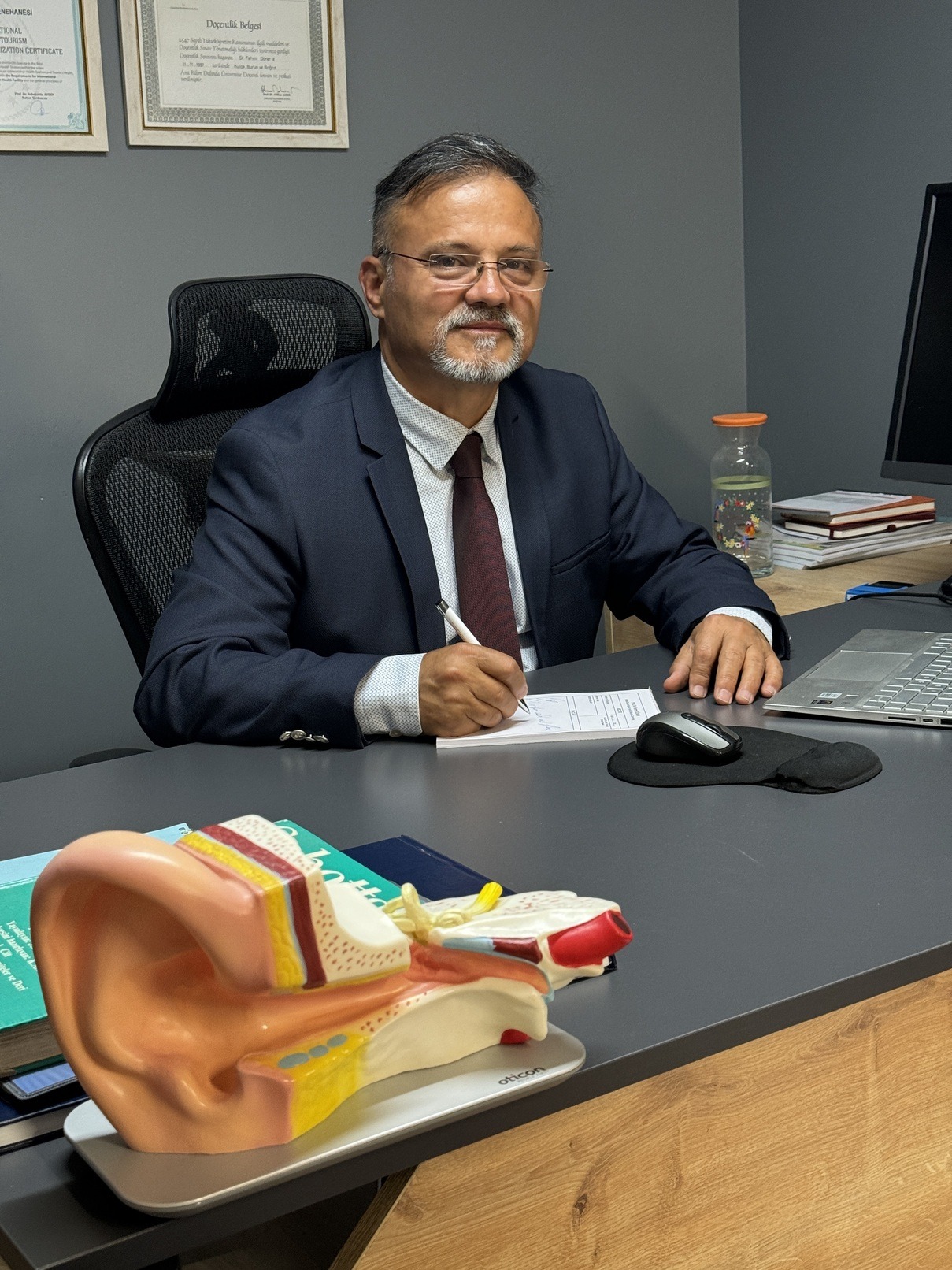
I completed my primary and secondary education in İzmir. I completed my medical education at Istanbul University Cerrahpaşa Faculty of Medicine in 1988. I received my specialization training at Atatürk University Faculty of Medicine, Department of Otorhinolaryngology. During my specialization training, in order to enhance my knowledge and experience, I spent various periods of time at Istanbul University Istanbul Faculty of Medicine, Department of Otorhinolaryngology, and participated in clinical studies. After obtaining my specialization in 1994, I worked for eight months at Kütahya State Hospital, and then in December 1994, I was appointed as an assistant professor at the Department of Otorhinolaryngology at Süleyman Demirel University.