
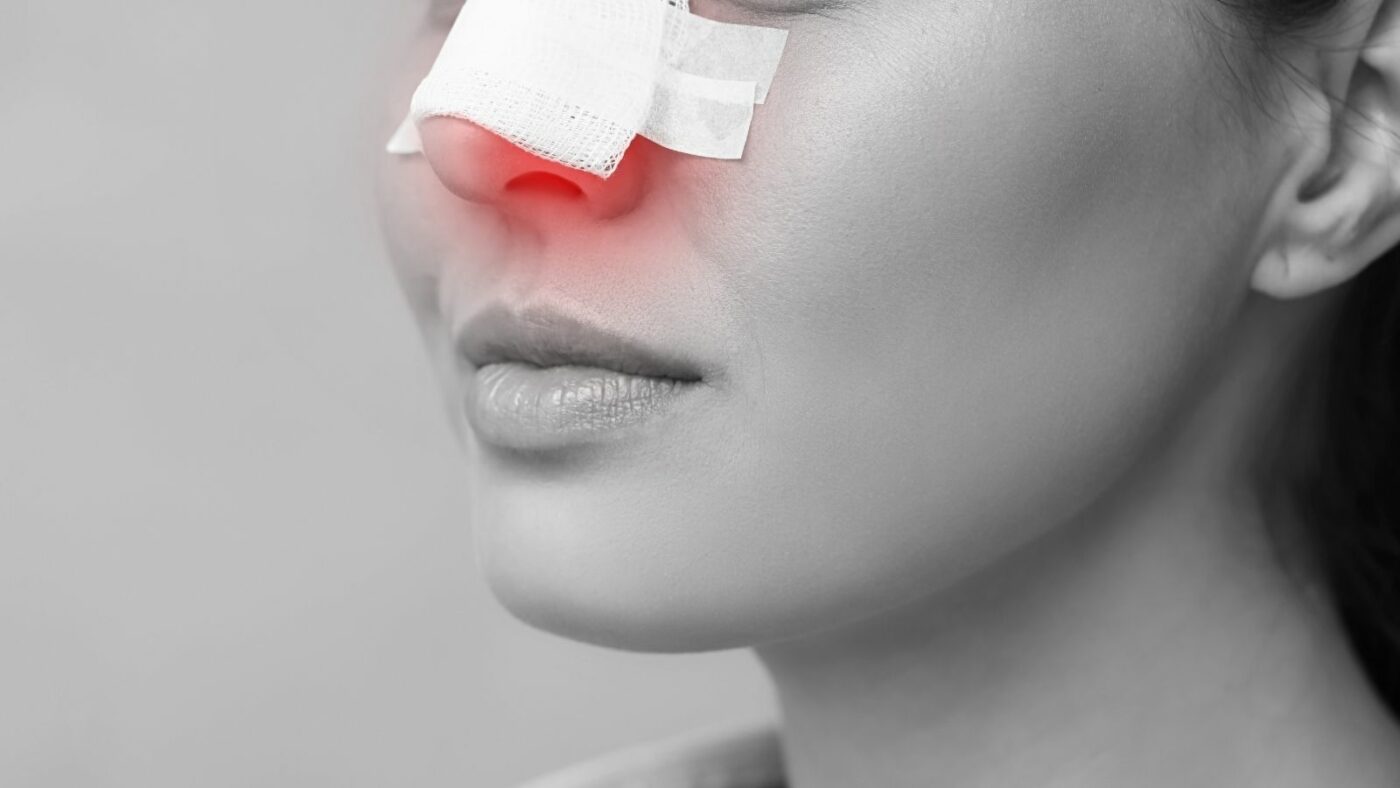
A crooked appearance of the nose after rhinoplasty is often due to temporary asymmetry related to edema, tissue firmness, and the healing process in the early period. In the first months after surgery, shape differences may be seen because the nasal structure has not fully settled. A definitive assessment is usually made at the end of 6–12 months.
Causes of asymmetry after rhinoplasty include swelling due to surgical trauma, the healing process of bone and cartilage tissues, and differences in skin thickness. Especially in thick-skinned patients, edema lasts longer and the nose may be perceived as crooked. In most cases, this improves over time.
The question of when a deviation improves after rhinoplasty is frequently asked by patients. The first 3 months are a period of pronounced edema, and the shape may be misleading. From the sixth month onward, the nasal line can be evaluated more clearly. If a permanent deformity is suspected, surgeon follow-up and regular monitoring are important.
The need for revision rhinoplasty is determined only after the healing process is complete and with an objective examination. If functional problems, marked deviation, or aesthetic dissatisfaction persist, a second surgery may be planned. Early intervention is not recommended, and patience is required.
Why Is Asymmetry Seen in the Early Postoperative Period?
After rhinoplasty, noticeable edema (swelling) occurs in the tissues. During surgery, work is performed on bone (nasal bone), cartilage (the septum and alar cartilages), and soft tissues. During the healing process of these tissues, an inflammatory response develops. Inflammation causes regional fluid accumulation, which may make one side of the nose look more swollen than the other.
Edema is usually prominent in the first weeks and decreases over time. However, especially in patients with thick skin, complete resolution of swelling may take 6–12 months. During this process, perceiving the nose as crooked or asymmetric is common and is not permanent in most cases.
In addition, when the splint or bandages used after surgery are removed and the nose is first evaluated with the naked eye, the patient may perceive a difference between expectations and the current appearance. This psychological effect may also increase the feeling of “crookedness.”
In Which Situations Is Permanent Deviation Considered?
A marked deviation (shift from the midline) on the nasal bridge (nasal dorsum) or nasal tip may, in some cases, be due to structural reasons. Especially:
- A septal deviation not fully corrected
- Shifting of the bony structure during the healing process
- Trauma (impact after surgery)
- Asymmetric wound healing
- Displacement of cartilage grafts (cartilage pieces placed for support)
Such conditions generally cannot be evaluated clearly in the early period. To allow the nasal tissues to settle in shape and for edema to resolve substantially, it is usually recommended to wait at least 6 months, and often 12 months.
Is My Nose Really Crooked, or Is It Swollen?
This is the point patients struggle with the most. In edema-related asymmetry:
- The deviation may vary during the day.
- It may be more pronounced in the mornings.
- Tenderness may accompany light touching.
- It may look different in photos depending on the angle.
In permanent structural deviation, the crookedness is usually stable and does not show a clear tendency to improve over time.
The most accurate way to make this distinction is regular follow-up examinations by the surgeon who performed the operation. During the physical examination, the bony axis, septal position, and nasal tip support are evaluated. If necessary, the internal structure may be examined with an endoscopic evaluation.
What Should Be Considered After Surgery?
During the healing process, certain factors are important for preserving the nasal shape:
- Impacts to the nose should be avoided in the first weeks.
- Use of glasses may be limited for the period recommended by the doctor.
- Excessive salt intake that may increase edema should be controlled.
- Sleeping with the head slightly elevated may help reduce swelling.
These are general recommendations; each patient’s surgical technique and healing process are different. Therefore, following individual instructions is essential.
Is Revision Rhinoplasty Necessary?
Revision rhinoplasty is a second surgical intervention performed to correct functional or aesthetic problems that occur after the first operation. However, the decision for revision is not made hastily.
In general:
- At least 9–12 months after surgery is awaited.
- Edema should have largely resolved.
- It should be confirmed that the complaint is persistent.
Revision surgeries may be technically more complex because scar tissue (fibrosis) and altered anatomical structures due to the previous surgery are involved. Therefore, the evaluation process requires detailed planning.
Not every asymmetry requires revision. Mild irregularities are often accepted as part of natural nasal anatomy.
Psychological Factors and Perceptual Changes
In the period after rhinoplasty, patients may focus intensely on the appearance of the nose. This may cause normal anatomical asymmetries to be perceived as exaggerated. The human face is naturally not completely symmetrical. Millimetric differences may not be clinically significant.
Being patient and not neglecting regular follow-up visits during the postoperative process is important. Keeping expectations realistic contributes to managing the process more healthily.
When Should a Doctor Be Consulted?
It is important to contact the surgeon in the following situations:
- Sudden change in the shape of the nose
- Severe pain or signs of infection (redness, discharge, fever)
- Increasing difficulty breathing
- Marked deformity after trauma
Although these signs are rare, they require early evaluation.
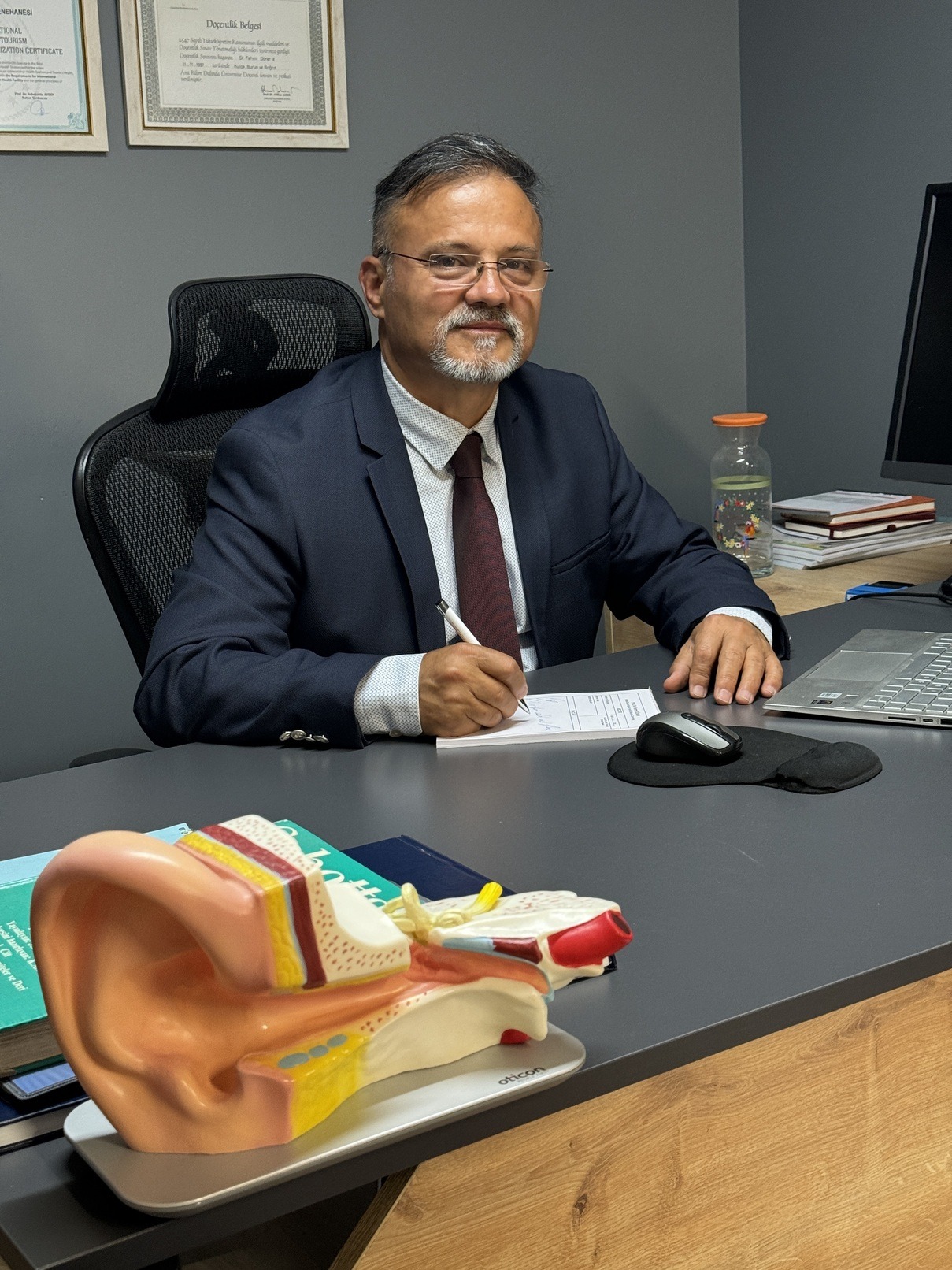
I completed my primary and secondary education in İzmir. I completed my medical education at Istanbul University Cerrahpaşa Faculty of Medicine in 1988. I received my specialization training at Atatürk University Faculty of Medicine, Department of Otorhinolaryngology. During my specialization training, in order to enhance my knowledge and experience, I spent various periods of time at Istanbul University Istanbul Faculty of Medicine, Department of Otorhinolaryngology, and participated in clinical studies. After obtaining my specialization in 1994, I worked for eight months at Kütahya State Hospital, and then in December 1994, I was appointed as an assistant professor at the Department of Otorhinolaryngology at Süleyman Demirel University.