


Sports and exercise after cosmetic nasal surgery should be planned gradually depending on the healing process. Physical activities are restricted in the first weeks after surgery because increased blood pressure may raise the risk of bleeding and edema. Intense exercise should not be started without the doctor’s approval.
The timing of returning to sports after nasal surgery is generally considered appropriate from the 2nd week for light walking. However, it is recommended to wait an average of 4–6 weeks for activities that increase heart rate such as running, fitness, and cardio. This period is critically important for the stabilization of nasal bone and cartilage tissue.
Return to heavy exercise after rhinoplasty should be evaluated according to the risk of trauma. Contact sports, weightlifting, and activities requiring sudden movements may lead to deformity in the nasal structure. Therefore, it is generally advised to avoid sports with a risk of impact for 6–8 weeks.
Among the points to consider during exercise after surgery are avoiding bending the head forward, preventing sudden increases in blood pressure, and taking protective measures. Since the healing process may vary individually, the exercise plan must be determined according to the surgeon’s clinical evaluation.
How Does the Healing Process Progress After Rhinoplasty?
After rhinoplasty, controlled surgical trauma occurs in the nasal bones, cartilage structures, and soft tissues. In response to this trauma, the body reacts with inflammation, edema (swelling), and tissue repair processes. The first 7–10 days are generally considered the early healing period. During this process, a splint may be present on the nose and edema is noticeable.
During the first few weeks, vascular permeability in the nasal tissues is increased. This condition may increase the risk of bleeding (epistaxis) in cases of sudden blood pressure elevation. In addition, stabilization of bone and cartilage tissues requires time. Therefore, sports and exercise planning should be carried out in accordance with the biological healing timeline of the tissues.
Physical Activity in the First Days After Surgery
Rest is prioritized during the first 48–72 hours after rhinoplasty. During this period, keeping the head above heart level is recommended for edema control. Short and light walks are generally beneficial for regulating circulation and reducing the risk of thrombosis. However, brisk walking, climbing stairs, lifting weights, or activities that significantly increase heart rate should be avoided.
Performing heavy exercise in the early period may lead to the following risks:
- Intranasal bleeding
- Increased edema
- Strain on suture lines
- Displacement of bone structures
For this reason, it is important that patients do not consider “feeling well” alone as a sufficient criterion.
When Can Light Exercises Be Started?
Generally, more regular light-paced walking may be allowed starting from the 2nd week after surgery. However, this period may vary depending on the surgical technique performed (open or closed rhinoplasty), whether bone intervention was performed, and the patient’s individual healing rate.
Activities that may be recommended during this period include:
- Low-paced walking
- Light stretching movements
- Low-intensity exercises that do not excessively increase heart rate
Positions in which the face is bent downward for a long time should be avoided, as such positions may cause increased pressure in the nasal area.
Intense Sports and Weight Training
Weightlifting, high-paced running, interval training, and cardio exercises significantly increase blood pressure. This increase may create pressure on nasal vessels and raise the risk of bleeding.
In general:
- 3–4 weeks for moderate cardio exercises
- Approximately 4–6 weeks for weight training
- A longer waiting period for high-intensity sports
may be recommended. However, these periods are not standard. Especially in patients who underwent bone reshaping (osteotomy), bone healing may take longer. Therefore, exact timing must be determined through the surgeon’s clinical evaluation.
Contact Sports and Risk of Trauma
Sports involving contact such as football, basketball, volleyball, martial arts, and similar activities carry a risk of trauma to the nose. After rhinoplasty, nasal structures may be more sensitive to impact in the first months. Trauma occurring during this period may negatively affect both the aesthetic result and functional structure.
In most cases, it is recommended to wait at least 2–3 months before returning to contact sports. In some patients, this period may be extended. The use of a protective mask may be considered; however, this decision also requires individual evaluation.
Swimming and Water Sports
Swimming is a beneficial exercise for general health; however, it carries certain risks in the early period after rhinoplasty. Especially:
- Irritation of the nasal mucosa by chlorine in pool water
- Risk of infection
- Pressure of goggles on the nasal bone
For this reason, it is generally recommended to avoid swimming during the first 4–6 weeks. Although seawater provides a more natural environment, the risk of infection does not completely disappear. Additionally, activities causing pressure changes such as diving may require a longer waiting period.
Pilates, Yoga, and Similar Exercises
Although exercises such as yoga and pilates are low-impact, some positions include inversions where the head is positioned downward. Such positions may increase intranasal pressure and prolong edema.
It is recommended to avoid these positions in the first weeks after surgery. In the later period, informing the instructor and modifying the exercises may be appropriate.
What Should Be Considered While Exercising?
When returning to sports after rhinoplasty, attention should be paid to the following points:
- Monitoring heart rate and blood pressure during exercise
- Avoiding sudden and explosive movements
- Reducing the risk of contact to the facial area
- Maintaining hygiene after excessive sweating
- Stopping exercise if pain, throbbing, or bleeding occurs in the nose
If any bleeding, increased swelling, or change in shape is noticed, the surgeon should be consulted without delay.
Psychological and Social Aspect
After rhinoplasty, patients generally go through a process of adapting to the change in physical appearance. For many people, sports are important in terms of stress management and psychological well-being. However, taking a break from sports in the early period may create anxiety in some patients.
At this point, it should be emphasized that the healing process is temporary and that the biological repair process of the tissues should be respected. A controlled and gradual return contributes both to preserving the aesthetic result and to long-term health.
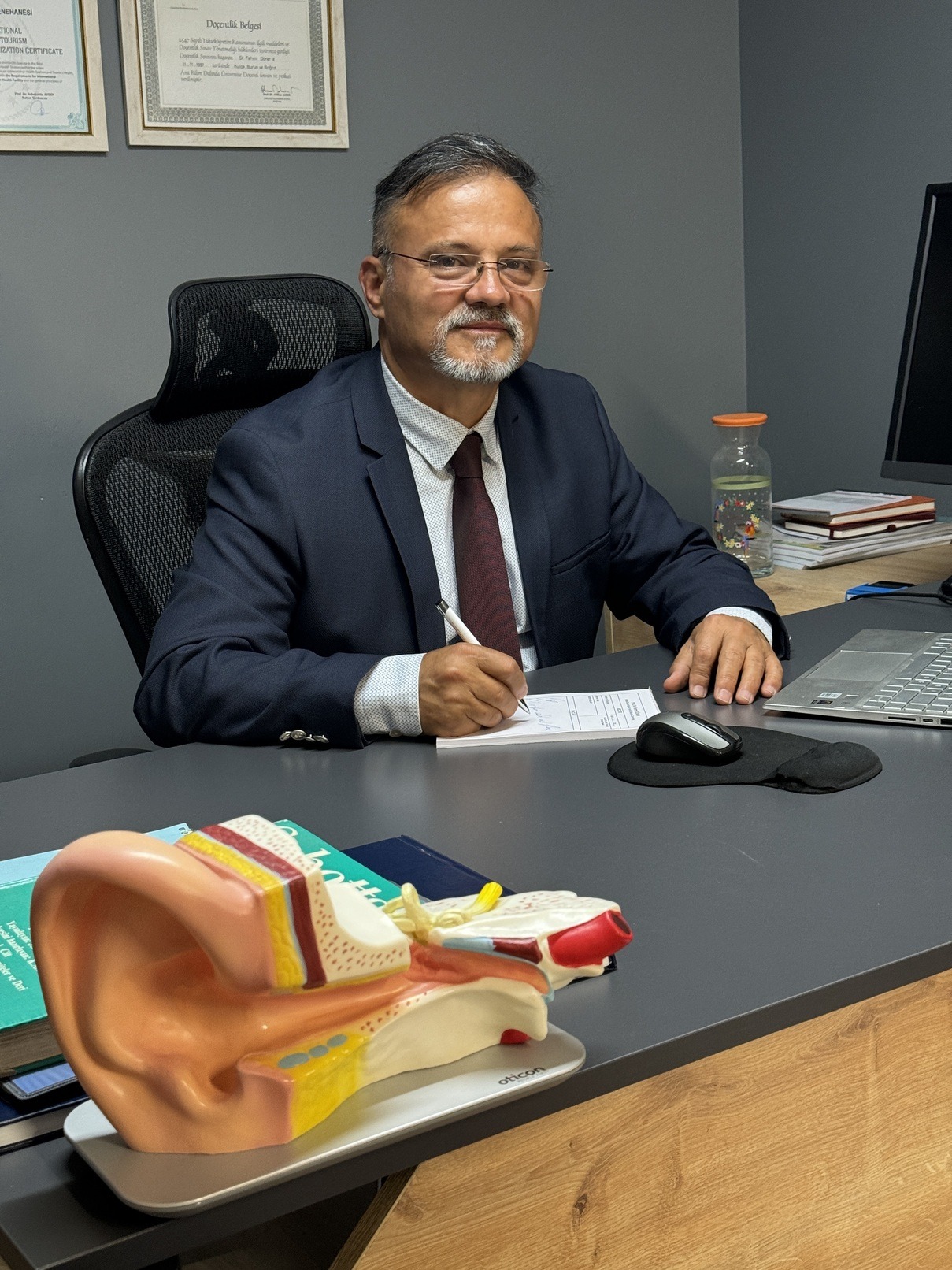
I completed my primary and secondary education in İzmir. I completed my medical education at Istanbul University Cerrahpaşa Faculty of Medicine in 1988. I received my specialization training at Atatürk University Faculty of Medicine, Department of Otorhinolaryngology. During my specialization training, in order to enhance my knowledge and experience, I spent various periods of time at Istanbul University Istanbul Faculty of Medicine, Department of Otorhinolaryngology, and participated in clinical studies. After obtaining my specialization in 1994, I worked for eight months at Kütahya State Hospital, and then in December 1994, I was appointed as an assistant professor at the Department of Otorhinolaryngology at Süleyman Demirel University.