Smoking after rhinoplasty is an important risk factor that negatively affects the healing process. Nicotine constricts blood vessels, reduces tissue oxygenation, and delays wound healing. This condition may lead to infection, increased edema, and undesirable aesthetic outcomes.
Smoking after rhinoplasty, especially in the first weeks, disrupts blood circulation and increases the risk of wound separation at suture lines and circulation problems in the skin. Since the tissues are sensitive in the postoperative period, smoking may threaten cartilage and skin integrity and increase the need for revision.
The effects of nicotine after rhinoplasty are not limited to wound healing; they may also cause prolonged edema and delayed resolution of bruising. An increase in carbon monoxide levels reduces the oxygen-carrying capacity of the blood and may negatively affect the permanence of surgical success.
The process of quitting smoking after nasal surgery should cover at least several weeks before and after the operation to reduce the risk of complications. Surgeons generally recommend discontinuing smoking before surgery. For permanent and healthy results, it is important to completely avoid tobacco products.
Biological Effects of Smoking on Tissue Healing
Cigarette smoke contains nicotine, carbon monoxide, and numerous toxic substances. Nicotine causes peripheral vasoconstriction (narrowing of blood vessels), reducing blood flow to tissues. Carbon monoxide binds to hemoglobin and limits oxygen transport. When these two mechanisms are evaluated together, it may result in insufficient delivery of oxygen and nutrients required by tissues in the postoperative period.
After rhinoplasty, the nasal skin, cartilage tissues, and bone structures are repositioned. Adequate microcirculation (small vessel circulation) is required for these tissues to heal. Smoking may suppress fibroblast activity (the functioning of connective tissue cells) and reduce collagen synthesis. Collagen is the fundamental building block of wound healing. Disruptions in this process may lead to prolonged edema, delayed healing of bruises, and weakening of tissue integrity.
Possible Risks in the Early Period After Rhinoplasty
The first weeks after rhinoplasty are a period when inflammation and tissue repair are active. Smoking during this period may increase the risk of certain complications:
- Delayed wound healing
- Color changes in the skin due to circulatory disorders
- Increased risk of infection
- Wound separation at the suture line (rarely)
- Prolonged edema and bruising
Especially in the open rhinoplasty technique, healthy healing of the small incision line under the nose called the columella is important. The vasoconstrictive effect of smoking may negatively affect the quality of healing in this area.
Effect on Long-Term Aesthetic Results
Rhinoplasty results generally take shape over months. Resolution of edema at the nasal tip and the tissues reaching their final form require time. Smoking may prolong this process by increasing chronic inflammation. Additionally, impaired nutrition of cartilage tissues may contribute to shape irregularities in rare cases.
The same effect is not seen in every patient; however, there is evidence in the literature that complication rates after aesthetic surgery are higher in individuals who smoke. Therefore, surgeons generally recommend quitting smoking before and after surgery.
How Long Should Smoking Be Avoided?
In clinical practice, most surgeons recommend quitting smoking at least 2–4 weeks before surgery and avoiding it for at least 2–4 weeks after surgery. This period covers the time when tissues re-establish their vascular network and healing is critical.
Since nicotine patches and electronic cigarettes also contain nicotine, they may have similar vasoconstrictive effects. Therefore, it is necessary to consult the physician regarding the use of not only traditional cigarettes but all nicotine-containing products.
However, the healing process differs for each patient. If there are accompanying conditions such as diabetes, circulatory disorders, or connective tissue diseases, healing may be more sensitive. Therefore, personal risk assessment must be carried out by the plastic surgeon performing the operation.
Does Passive Smoking Also Pose a Risk?
Exposure to cigarette smoke, that is, passive smoking, although not as pronounced as active smoking, may lead to negative effects on the circulatory and respiratory systems. Being in a smoke-free environment as much as possible during the postoperative period is considered a safer approach for tissue healing.
Frequently Asked Questions by Patients
Patients often ask questions such as “Would it be harmful if I smoke just one?” or “Would healing be affected if I smoke occasionally?” Tissue healing is a biological process that requires continuity. Repeated exposure to nicotine may cause recurrent vasoconstriction. Therefore, it is not possible to define a clear safe threshold between regular or occasional use during the healing period.
Some patients may have difficulty quitting smoking due to stress. At this point, support programs for nicotine addiction, behavioral counseling, or guidance from relevant specialist physicians may be helpful.
Evaluation in Terms of Functional Outcomes
Rhinoplasty is not only an aesthetic procedure; in many cases, breathing problems such as septal deviation (nasal curvature) are also corrected during the same surgery. Smoking may delay mucosal healing and prolong the recovery time of intranasal tissues. This may cause the sensation of nasal obstruction to last longer.
Additionally, smoking is a factor that may increase chronic rhinitis and mucosal edema. This may negatively affect intranasal comfort in the postoperative period.
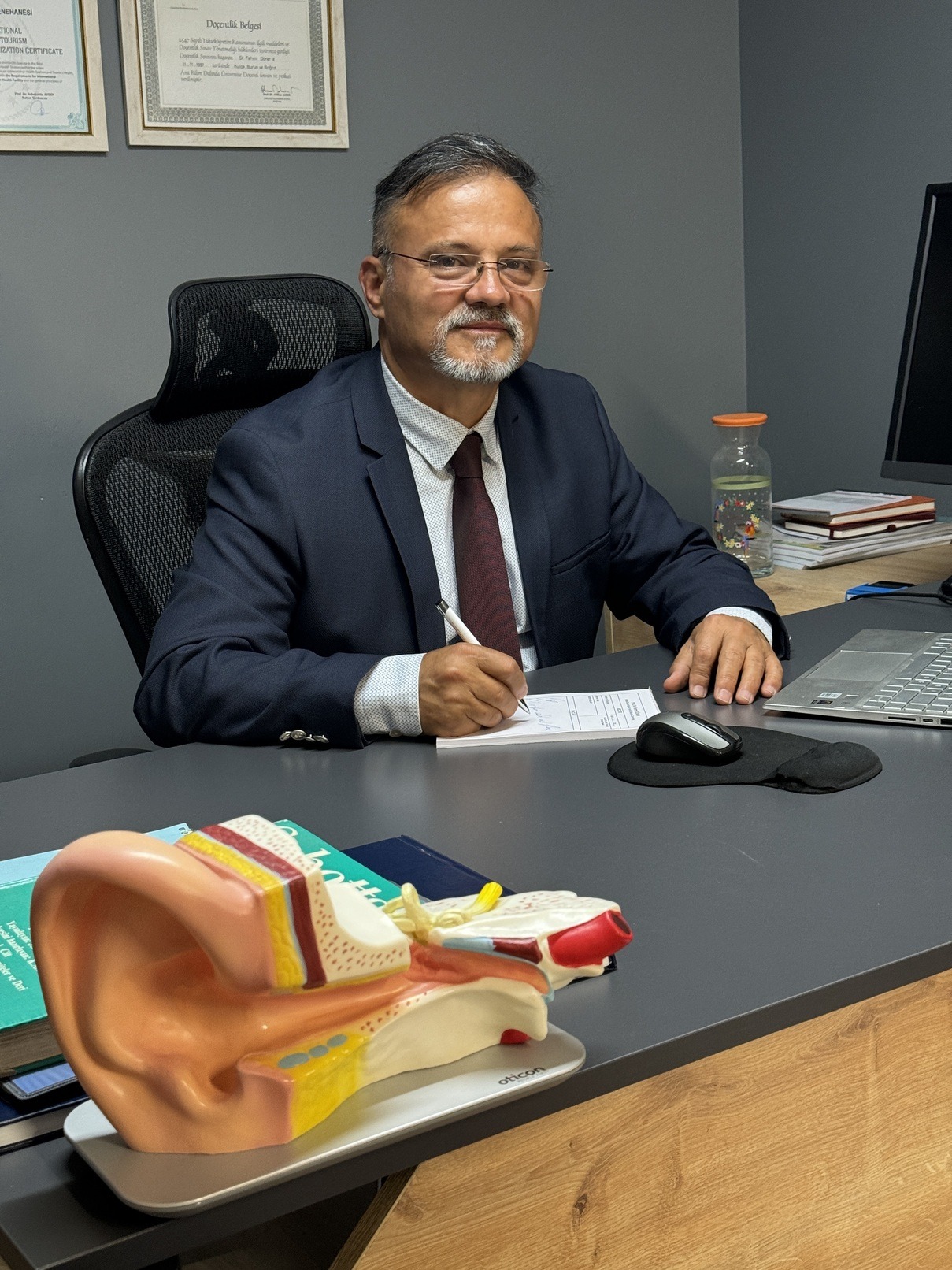
I completed my primary and secondary education in İzmir. I completed my medical education at Istanbul University Cerrahpaşa Faculty of Medicine in 1988. I received my specialization training at Atatürk University Faculty of Medicine, Department of Otorhinolaryngology. During my specialization training, in order to enhance my knowledge and experience, I spent various periods of time at Istanbul University Istanbul Faculty of Medicine, Department of Otorhinolaryngology, and participated in clinical studies. After obtaining my specialization in 1994, I worked for eight months at Kütahya State Hospital, and then in December 1994, I was appointed as an assistant professor at the Department of Otorhinolaryngology at Süleyman Demirel University.