

Wide nose rhinoplasty in Turkey is a surgical procedure designed to refine and narrow the nasal structure by reshaping bone and cartilage to achieve balanced facial proportions. The operation focuses on reducing nasal width, improving symmetry, and preserving natural nasal function under specialized plastic surgery standards.
Wide nose rhinoplasty techniques in Turkey involve advanced surgical planning that targets broad nasal bones, thick skin structure, or wide nostrils. Surgeons commonly apply osteotomy, cartilage reshaping, and alar base reduction methods to create a more proportionate nasal contour while maintaining structural stability and airflow.
Cost advantages of wide nose rhinoplasty in Turkey attract international patients seeking high-quality treatment with experienced facial plastic surgeons. Accredited clinics provide comprehensive treatment plans, modern surgical technologies, and medically supervised recovery protocols to ensure safe and predictable outcomes.
Recovery process after wide nose rhinoplasty in Turkey typically includes short-term swelling, mild bruising, and gradual nasal refinement over several months. Postoperative monitoring, protective nasal splints, and structured follow-up appointments support proper healing and help maintain long-term aesthetic and functional results.
About Me
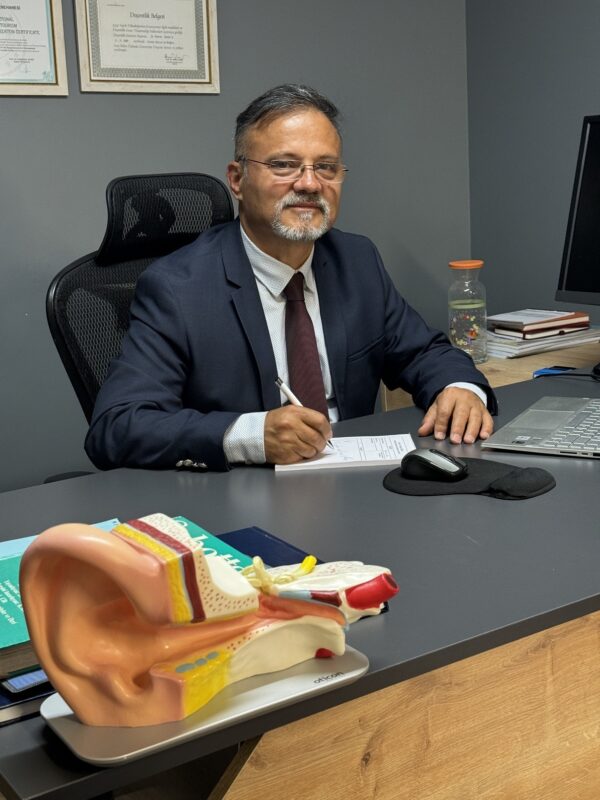
Prof. Dr. Fehmi Döner
ENT and Head & Neck Surgery Specialist
I completed my primary and secondary education in İzmir. I completed my medical education at Istanbul University Cerrahpaşa Faculty of Medicine in 1988. I received my specialization training at Atatürk University Faculty of Medicine, Department of Otorhinolaryngology. During my specialization training, in order to increase my knowledge and experience, I spent different periods of time at Istanbul University Istanbul Faculty of Medicine, Department of Otorhinolaryngology, and participated in clinical studies.
After receiving my specialization in 1994, I worked at Kütahya State Hospital for eight months, and then in December 1994, I was appointed as an assistant professor to the Department of Otorhinolaryngology at Süleyman Demirel University.
View MoreWhat is wide nose rhinoplasty, and how does it change facial expression?
When people think of a wide nose, they usually imagine only a structure with wide nostrils, but the situation is much more complex than that. A nose looking wide is actually an illusion and a matter of proportion. When we divide your face vertically with imaginary lines, the area your nose occupies is expected to be compatible with the distance between the inner corners of your eyes. However, in a wide nose structure, the upper part we call the bony vault or the middle and lower part we call the cartilage structure exceeds these limits and extends toward the cheeks.
The effect of this on facial expression is quite noticeable. A wide nasal dorsum conceals the height of the nose. In other words, even if your nose has sufficient height when viewed from the side, it may look low and flat when viewed from the front due to that width. This can give your face a flatter, less deep, and tired expression. In addition, a wide nose makes it harder for the gaze to focus. The human brain likes symmetry and focus; a wide midline disperses that focus.
Our main goal in this surgery is to achieve your face’s “golden ratios.” But this does not mean putting everyone’s nose into the same mold. Your facial features, jaw structure, and forehead width define the limits of how much your nose can be narrowed. An overly narrowed nose that looks like it has been pinched with a clothespin creates a much worse aesthetic result than a wide nose. What matters is to create a nose that is so harmonious with your face that when people look at you, they notice your eyes and expression, not your nose, instead of a nose that “shouts” “I’m here.”
The anatomical components that usually create a wide nose are as follows:
- Wide nasal bones
- Broad cartilage structure
- Thick skin tissue
- Wide nostrils
- Excess fatty tissue
- Weak nasal tip support
What is the role of genetic inheritance in the formation of a wide nose structure?
One of the questions our patients ask most often is, “Why is my nose like this?” In fact, that wide nose structure you see when you look in the mirror is the result of thousands of years of survival struggle and genetic inheritance. The human body has evolved to adapt perfectly to the climatic conditions of the geography it lives in.
Imagine your ancestors lived in a very hot and humid climate (for example, in African or Southeast Asian lineages). In hot weather, the body’s greatest need is to cool down by releasing heat. Wide nostrils and a short, broad nasal passage allow air to reach the lungs very quickly and help balance body temperature. In other words, that wide nose structure is actually a biological air conditioner developed for your ancestors to breathe more comfortably and survive in those climatic conditions.
Conversely, in societies living in cold climates (such as Northern Europe), noses have narrowed and elongated. Because cold air needs to be warmed and humidified before it reaches the lungs; this is only possible with a long and narrow nasal passage. Even though geographic borders have disappeared today, the codes we carry in our genes continue to determine our bone structure, cartilage shape, and even skin thickness. So having a wide nose is not a “mistake,” but a perfect adaptation response of your genetics to the environment. However, since today’s aesthetic perception and modern living conditions have changed, it is also perfectly natural to want to refine this structure.
The main characteristics affected by genetic factors are as follows:
- Alar width
- Cartilage stiffness
- Skin thickness
- Bony aperture
- Nasal tip shape
Which criteria are considered in the preoperative analysis?
A successful wide nose surgery begins long before the scalpel—first in the mind and on the analysis table. The success of the surgery depends on millimetric planning and the ability to read the patient’s face as a whole. While examining you, we do not look only at your nose; we look at the width of your forehead, the projection of your chin, the fullness of your cheeks, and even your smile.
In the analysis process, the most critical step is to look at the nasal base from below. When you tilt your head back, the base of the nose should ideally resemble an equilateral triangle. In wide-nosed patients, we see that this triangle is distorted, the base has spread, or the axis of the nostrils has changed. Our surgical plan is built on reconstructing this disrupted geometry.
In addition, the quality of your skin is as unique as your fingerprint and is one of the most important factors that determine the result. While examining the skin of your nose with our fingers, we are actually trying to understand this: “When we shape the underlying bone and cartilage, how much will this skin reflect that new shape?” Thick and oily skin is like a thick blanket that hides fine workmanship underneath. Thin skin is like a satin cover that shows the slightest mistake. Therefore, mapping your skin at the analysis stage enables us to determine the surgical technique.
Photography and digital simulations are also indispensable parts of this process. However, it should not be forgotten that simulations are not a promise, but a communication tool. We use these technologies to understand the difference between the “small nose” in your mind and the “ideal nose” that I find suitable for your face, and to meet in a common language.
The basic parameters we evaluate during the analysis are as follows:
- Distance between the inner corners of the eyes
- Nasal dorsum width
- Skin thickness
- Cartilage resistance
- Breathing capacity
- Facial asymmetry
Contact us to get information about treatments and create an appointment!
How are wide nasal bones shaped with the Piezo method?
When rhinoplasty is mentioned, patients’ biggest fear is the old stories of “breaking and shattering.” In traditional methods, chisels and hammers were used to narrow wide nasal bones. No matter how delicately this procedure was performed, it carried the risk of causing uncontrolled cracks in the bone and could lead to significant bruising after surgery due to damage to surrounding tissues. However, technology, as in every field of medicine, came to our aid here as well and completely changed the process.
Now we use a technology called “Piezo Surgery” or ultrasonic shaping. You can think of this technology as the most advanced tool in the hands of a very delicate sculptor. The Piezo device works with sound waves (ultrasonic vibrations). Its most fascinating feature is that it is “selective.” That is, the tip of the device cuts or files only hard tissues such as bone; but the moment it touches soft tissues such as vessels, nerves, muscles, or mucosa, it stops working or does not harm them.
In wide noses, to narrow the bones we need to work on that delicate line where the cheek meets the nose (the lateral walls). Thanks to Piezo, we can cut the bones along this line with millimetric precision and even shape them by thinning. The risk of an “uncontrolled fracture” that occurs in the traditional method is eliminated. We cut the bones as if drawing with a pencil and bring them closer to their new required positions, toward the midline. This precision provides great comfort for our patients in the postoperative period.
The advantages provided by Piezo surgery are as follows:
- Minimum bruising
- Less swelling
- Soft tissue protection
- Fast recovery
- Millimetric incision
- Smooth bone line
How is naturalness achieved with preservation rhinoplasty (Preservation)?
In recent years, the biggest philosophical shift in aesthetic surgery has been built on “beautifying by preserving.” In the past, in rhinoplasty, we would cut away the hump or excess on the nasal dorsum and then try to close this building whose roof had been opened. This is called “structural rhinoplasty.” However, in some wide-nosed patients—especially noses with a smooth and nice dorsum but that are simply generally high or wide—disrupting this natural roof may not always be the best idea.
This is where “Preservation Rhinoplasty” techniques come into play. You can liken this technique to reducing the number of floors of a building. Instead of demolishing and rebuilding the roof, we lower the entire building like an elevator by removing blocks from the foundation or lower floors. In these techniques known as “Let-down” or “Push-down,” we do not touch the natural bone-cartilage junction line (dorsum) on the nasal dorsum at all.
We remove millimetric strips from the lateral walls of the nose and from the septal cartilage inside. Once these spaces are created, the nasal pyramid becomes free, and by gently pressing, we both narrow the nose and lower it to a height that is more compatible with the face. The biggest advantage of this method is that the naturalness of the nasal dorsum is not disrupted. When light hits, that natural reflection (dorsal aesthetic lines) does not disappear. In addition, since the roof of the air channels inside the nose is preserved, breathing functions are not adversely affected by this procedure. However, this technique is not suitable for every wide nose; the bone structure and cartilages must allow it.
The benefits that preservation techniques offer to patients are as follows:
- Natural light reflection
- Smoothness of the nasal dorsum
- Fast recovery process
- Preservation of ligaments
- Less edema
How are a wide nasal tip and a bulbous tip corrected?
In the vast majority of patients who come with the complaint of a wide nose, the issue is not only in the bones but also at the nasal tip. Conditions we call a “bulbous tip,” where the tip appears round like a ball, wide, or boxy, can make the facial expression look coarse. The nasal tip is the area where cartilages perform the most complex dance, where the skin is thickest, and where aesthetics require the most detail.
The cartilages here (lower lateral cartilages) should normally be shaped like an elegant seagull wing. However, in wide noses, these cartilages may be excessively enlarged, become outwardly convex, or stand too far apart from each other. Our goal here is not to weaken the cartilages by cutting and discarding them, but to thin them by reshaping them. If we only cut and reduce the cartilages, the nasal tip loses support over time and collapses.
Instead, we use special and permanent suture techniques. You can think of these sutures like a corset; we fold the wide and flat cartilages onto themselves or bring them closer together to make the tip sharper and more defined. Sometimes the cartilages are so weak or shapeless that sutures alone are not enough. Then we use your own cartilages taken from inside the nose (from the septum) as millimetric supports (grafts). By placing these supports under the tip, we both create a solid foundation and make the nasal tip appear more prominent by pushing the thick skin from the inside.
The methods used in nasal tip shaping are as follows:
- Cartilage shaving
- Interdomal sutures
- Transdomal sutures
- Cartilage grafts
- Support struts
- Skin thinning
Get in Touch!
Contact us to get information about treatments and create an appointment!
Is breathing function preserved while reducing the nasal wings?
We narrowed the bones and refined the nasal tip, but something may still be missing. In wide-nosed patients, the nasal wings (alar base) are often too wide compared to the overall face, or the nostrils are very prominent. Especially if you feel that your nasal wings spread too much to the sides when you smile, an alar reduction procedure called “alarplasty” may be required.
This procedure is the “final touch” of rhinoplasty. However, it must be planned very carefully. The nostrils are the entrance gate of breathing (nasal valve). Narrowing this gate more than necessary for the sake of aesthetics can cause lifelong nasal obstruction. Therefore, our limit is always “function.” We reduce the nostrils within safe limits that will not reduce breathing capacity.
During the procedure, we remove tissue from the natural fold where the nasal wing meets the cheek—sometimes in a wedge shape and sometimes in a crescent shape. Patients most often worry, “Will there be a scar?” Since the incisions are hidden in the nasal fold and aesthetic suturing techniques are used, these scars usually turn to skin color and become indistinct when healing is complete. Thanks to this procedure, the base of the nose narrows, and the nostrils gain a more oval and refined form.
The points we pay attention to in alar aesthetics are as follows:
- Natural fold line
- Symmetry
- Breathing channel
- Smile dynamics
- Wound healing
Why is wide nose surgery different in thick-skinned patients?
A significant portion of patients with a wide nose structure also have the feature of “thick skin.” Thick skin is a challenge for the surgeon and a test of patience for the patient. Imagine it like this: We have a magnificently detailed carved wooden sculpture (this is the cartilage and bone structure we shape). If you lay a thin silk fabric over this sculpture, you can clearly see all the details underneath. But if you lay a thick wool blanket over it, the details disappear and the appearance becomes more rounded.
Thick skin tends to mask the fine workmanship we do inside. Therefore, in thick-skinned patients, our surgical strategy changes completely. We need to build the internal framework more prominent, stronger, and with more projection than normal so that when that thick skin settles on it, it does not flatten the nose and the shape can reveal itself.
In addition, thick skin has denser lymphatic circulation and more active sebaceous glands. This causes postoperative edema (swelling) to be greater than in other patients and to subside later. While a thin-skinned patient’s nose may settle in 6 months, in a thick-skinned and wide-nosed patient, this process can extend to 1.5 or even 2 years. In this process, patience is our most important medicine.
The truths thick-skinned patients should know are as follows:
- Long recovery period
- Morning swelling
- Need for massage
- Importance of skin care
- Need for a stronger framework
What should be done to speed up the recovery process?
The surgery is over; now you are alone with your new nose. The recovery process is as important as the surgery because your body “accepts” and shapes your new nose during this period. The first 2–3 days are the period when edema is most intense, but thanks to Piezo technology, we no longer often see situations like “I swelled up so much that my eyes will close.” Usually, on the 7th day, the splint on the nose and the silicone splints inside are removed.
Returning to social life is much faster than you think. Most of our patients can return to work on the 10th day. However, internal healing and the skin adhering to the bone take months. In the first months, you may see your nose more swollen in the mornings and more reduced in the evenings; this is a very normal fluctuation. Especially after wide nose surgeries, it takes time for the edema on the lateral walls of the nose to subside and your nose may look wider than it is. This is not the final result.
Your nutrition and lifestyle directly affect recovery. Restricting salt consumption reduces water retention in the body and therefore nasal edema. Also, sleeping with the head elevated in the first weeks helps the swelling go down with the effect of gravity.
Things to avoid during the recovery process are as follows:
- Excessively salty foods
- Hot baths and sauna
- Heavy sports
- Wearing glasses
- Exposure to sunlight
- Blood thinners
- Alcohol and smoking
Factors that support recovery are as follows:
- Drinking plenty of water
- Pineapple and bromelain
- Regular walks
- Arnica creams
- Doctor-recommended massages
- Being patient
Latest Posts

What Is a Failed Rhinoplasty? How Does It Happen? How Is It Recognized?
Prof. Dr. Fehmi Döner » General » What Is a Failed Rhinoplasty? How Does It [...]
Read More ➜
25
Feb
Feb
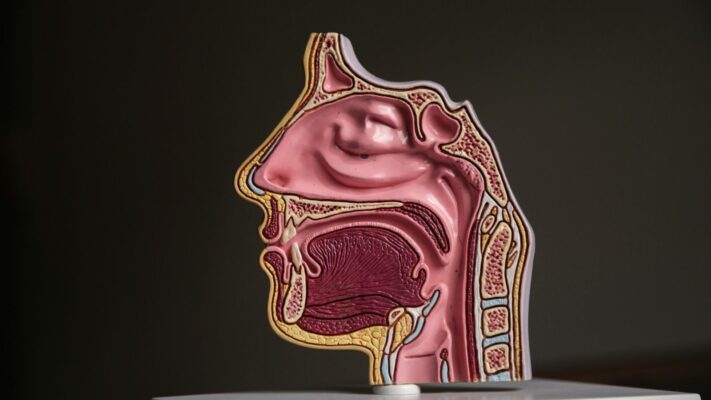
Nasal Anatomy and Its Functions
Prof. Dr. Fehmi Döner » General » Nasal Anatomy and Its FunctionsNasal anatomy consists of [...]
Read More ➜
25
Feb
Feb

What Is a Nose Type and What Are the Different Nose Types?
Prof. Dr. Fehmi Döner » General » What Is a Nose Type and What Are [...]
Read More ➜
25
Feb
Feb
My Nose Is Crooked After Rhinoplasty: What Should I Do?
Prof. Dr. Fehmi Döner » Rhinoplasty » My Nose Is Crooked After Rhinoplasty: What Should [...]
Read More ➜
23
Feb
Feb
Can Asymmetry of the Nostrils Occur After Rhinoplasty?
Prof. Dr. Fehmi Döner » Rhinoplasty » Can Asymmetry of the Nostrils Occur After Rhinoplasty?Asymmetry [...]
Read More ➜
23
Feb
Feb

Nasal Massage After Rhinoplasty
Prof. Dr. Fehmi Döner » Rhinoplasty » Nasal Massage After RhinoplastyNasal massage after rhinoplasty is [...]
Read More ➜
23
Feb
Feb

Swelling on the Nasal Bridge After Rhinoplasty
Prof. Dr. Fehmi Döner » Rhinoplasty » Swelling on the Nasal Bridge After RhinoplastySwelling on [...]
Read More ➜
23
Feb
Feb

What Should Be Considered After Rhinoplasty?
Prof. Dr. Fehmi Döner » Rhinoplasty » What Should Be Considered After Rhinoplasty?What to pay [...]
Read More ➜
23
Feb
Feb