

Ethnic rhinoplasty in Turkey is a specialized nasal surgery designed to refine the nose while preserving the patient’s unique ethnic facial characteristics. The procedure focuses on functional and aesthetic balance, ensuring structural improvement without eliminating cultural identity or natural anatomical traits.
Ethnic rhinoplasty in Turkey procedures are performed using advanced surgical techniques tailored to diverse nasal structures such as thicker skin, weaker cartilage, or wider nasal bases. Surgeons plan individualized corrections that maintain harmony with the patient’s facial proportions and ethnic background.
Cost of ethnic rhinoplasty in Turkey is generally more affordable compared with many Western countries while maintaining international medical standards. Accredited clinics, experienced plastic surgeons, and modern hospital facilities contribute to consistent surgical outcomes and high patient satisfaction.
Recovery after ethnic rhinoplasty in Turkey typically involves a short hospital stay and a structured postoperative care plan. Swelling gradually decreases over several weeks, and final nasal contours become more visible as healing progresses, ensuring a natural appearance aligned with the patient’s ethnicity.
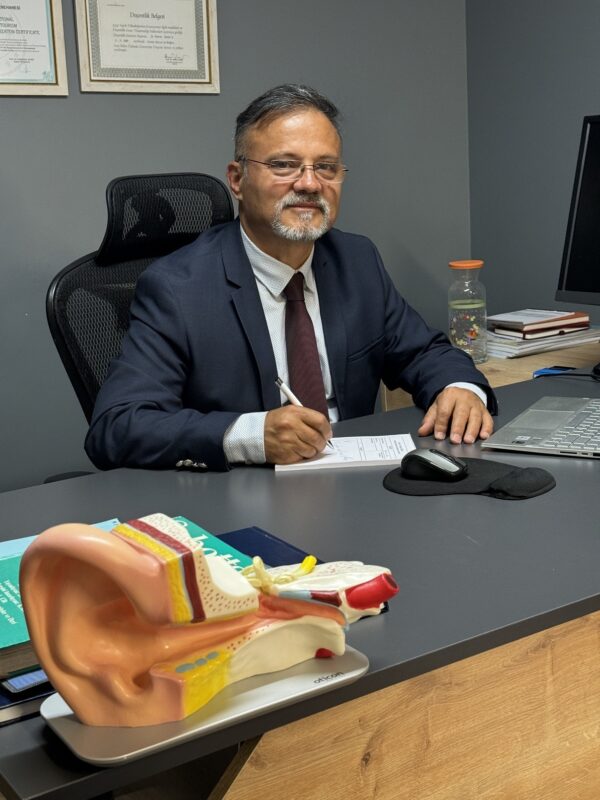
About Me
Prof. Dr. Fehmi Döner
ENT and Head & Neck Surgery Specialist
I completed my primary and secondary education in İzmir. I completed my medical education at Istanbul University Cerrahpaşa Faculty of Medicine in 1988. I received my specialization training at Atatürk University Faculty of Medicine, Department of Otorhinolaryngology. During my specialization training, in order to increase my knowledge and experience, I spent different periods of time at Istanbul University Istanbul Faculty of Medicine, Department of Otorhinolaryngology, and participated in clinical studies.
After receiving my specialization in 1994, I worked at Kütahya State Hospital for eight months, and then in December 1994, I was appointed as an assistant professor to the Department of Otorhinolaryngology at Süleyman Demirel University.
View MoreWhat Is Ethnic Rhinoplasty and How Does It Differ from Classic Methods?
To understand the difference between classic rhinoplasty and ethnic rhinoplasty, we must first look at the surgical philosophy. In the classic method, the basic logic is generally built on “reduction.” The hump is removed, cartilages are cut, and the nasal tip is reduced. In other words, it is an art of “subtraction.” However, in ethnic noses—especially in patients of Asian, African, and some Middle Eastern backgrounds—the situation is the opposite.
In these patients, the issue is usually not excess, but a lack of structural support. The nasal dorsum may be low, and the tip may appear wide because tip support is weak. If we apply classic reduction techniques to these noses, the nose can collapse and breathing can become impaired. Therefore, ethnic rhinoplasty is not “reduction,” but rather “reconstruction” (structural) surgery. Like a civil engineer, we add new columns and beams inside the nose to elevate, lengthen, and shape it. While classic surgery removes tissue, ethnic surgery often adds tissue.
How Do Geography and Climate Affect Nasal Structure?
The shape of our nose is not a coincidence; it is the result of an evolutionary process spanning thousands of years and the climate conditions in which our ancestors lived. Knowing this helps us understand why we have different nose types. In hot and humid climates, for example in African geography, there is little need to warm or humidify the air. Therefore, the nasal passages are wider and the nostrils are more open. This structure allows maximum air intake.
Conversely, in societies living in cold and dry climates, the air must be warmed and humidified before it reaches the lungs. Therefore, the nasal passages have narrowed, the nose has lengthened, and airflow has been slowed. As a surgeon, we cannot ignore these biological realities. If we excessively narrow a nose with wide passages, we do something contrary to that person’s genetic heritage and impair breathing function. What we do in ethnic rhinoplasty is to make aesthetic touches without disrupting this natural balance.
What Features Are Seen in Middle Eastern and Anatolian Nasal Structure?
The nasal structure of our geography and its nearby region (the Middle East, Iran, Turkey) contains quite specific challenges from a surgical standpoint. The most common situation we encounter in people of this region is that the bony and cartilaginous framework of the nose is quite strong and voluminous.
Typical features seen in this group are generally as follows:
- Prominent nasal hump
- Low nasal tip
- Thick skin structure
- Strong cartilage tissue
- Wide nasal base
The biggest misconception in these patients is thinking that removing only the hump will be sufficient. However, the nasal tip is usually low and droops even more when smiling. Therefore, while removing the hump, it is also necessary to lift the tip and place strong support there. Otherwise, after some time following surgery, the nasal tip drops again due to the effect of gravity and the deformity we call a “parrot beak” occurs. Because the skin is generally thick in Middle Eastern noses, it is difficult to show the changes made. This requires the surgeon to perform much more aggressive and pronounced shaping.
What Are the Main Goals in Asian- and African-Origin Noses?
In patients of Asian and African origin (Afro-Caribbean, Far East), we encounter a picture that is the opposite of Middle Eastern noses. In this group, the nasal bone is usually not very prominent, and the nasal root is low. From the side, the nasal dorsum is low. The nasal tip, because cartilage support is weak, has a wide, round form with little projection from the facial surface.
The anatomical features seen in these nose types are as follows:
- Low nasal dorsum
- Wide nasal tip
- Weak cartilage support
- Wide nostrils
- Short nasal bone
The main surgical strategy here is based on “augmentation.” To raise the nasal dorsum, we create a bridge using the patient’s own tissues or safe materials. To make the nasal tip sharper and more defined, we strengthen the weak cartilages. The goal is not to reduce the nose, but to create a more prominent, more defined, and more aesthetic focal point in the center of the face. The width of the nasal wings can be bothersome in these patients. However, the most sensitive point here is to avoid completely erasing the patient’s ethnic identity and creating an “artificial” look while narrowing the nasal wings.
Why Is the Thick Skin Factor So Important in Ethnic Rhinoplasty?
In ethnic rhinoplasty, perhaps the most talked-about issue, the one that most affects the result and is the most difficult to manage, is “thick skin.” Patients may sometimes perceive this only as having oily skin, but surgically its meaning is much deeper.
Let me explain with a simple analogy: No matter how sharp-edged, detailed objects you place under a bed, if you cover it with a thick, fluffy duvet (thick skin), the details underneath disappear and everything looks rounded. In thin-skinned patients, the slightest cartilage change is clearly visible from the outside, whereas in thick-skinned patients it is much harder for these details to be visible.
The challenges created by thick skin are as follows:
- Masking details
- Retaining swelling for a long time
- Tending to become coarse during healing
- Pulling the nasal tip downward
So, what do we do in thick-skinned patients? Thinning the skin is an option but limited; because excessively thinning the skin disrupts blood circulation and leads to tissue loss. Therefore, our main strategy is to make the skeleton under the skin “stronger and larger.” In other words, we choose sharper and larger objects under the duvet so they show through. By supporting the tip with stronger cartilages, we stretch the skin and allow the shape to emerge. Patience is very important after surgery in these patients, because it may take 1–2 years for swelling to fully resolve.
Contact us to get information about treatments and create an appointment!
Why Does the Use of Rib Cartilage Become a Necessity?
This is the topic that patients considering ethnic rhinoplasty fear and worry about the most, yet it is actually the most life-saving: rib cartilage. Our patients often ask, “Isn’t the cartilage inside my nose enough?” The answer, when it comes to ethnic rhinoplasty, is most often “No, it is not.”
Especially in noses of Asian and African origin or in patients who have had previous surgery (revision), the existing septal cartilage inside the nose (the nasal septum) does not have sufficient volume and strength to reconstruct, lengthen, or raise the nose. The nose is like a tent standing in the middle of the face. If the tent pole (cartilage support) is weak, it cannot carry the thick fabric you place over it (thick skin), and the tent collapses.
The advantages provided by rib cartilage are as follows:
- High durability
- Plenty of material
- Smooth form
- Being your own tissue
- No risk of rejection
That is why we resort to the body’s most robust “spare parts depot,” namely the rib. Patients should not be afraid of rib harvesting. With modern techniques, this procedure is performed through a very small 2–3 cm incision made in the inframammary fold. Pain is minimal and resolves within a few days. These additional cartilages function like the steel framework of a building so that your nose does not collapse for life, maintains its shape, and allows you to breathe healthily. Unfortunately, deformation in the long term after some ethnic rhinoplasty surgeries performed without rib cartilage is a situation we frequently encounter.
How Does Piezo Surgery Make a Difference in Ethnic Rhinoplasty?
Technology has significantly changed our surgical results and patient comfort over the last 10 years. In the past, rougher instruments such as hammers, chisels, and rasps were used to shape the nasal bones. While these instruments broke the bone, they could also create trauma to the surrounding soft tissue. This led to those famous postoperative images of patients with “eyes swollen shut and bruised.”
Today, we use Piezo, that is, ultrasonic bone shaping technology. The Piezo device works with high-frequency sound waves (ultrasound). Its most important feature is that it is selective; it is designed to cut only hard tissues such as bone. When the tip of the device touches the skin, a vessel, or a nerve, it stops working or does not cause harm.
The advantages offered by piezo surgery are as follows:
- Millimetric precision
- Minimum soft tissue damage
- Less bruising
- Less swelling
- Faster recovery
Especially in ethnic rhinoplasty, in cases where the bones are very wide or asymmetric, being able to cut and reshape the bone without breaking it—almost as if drawing with a pencil—is a great luxury. In this way, we prevent uncontrolled fractures of the bones and our patients can return to their social lives much earlier during the healing process.
Is the Golden Ratio Valid for Every Ethnic Group in Facial Analysis?
In aesthetic surgery, you often hear the concept of the “Golden Ratio.” Having certain mathematical proportions in the face looks pleasing to the eye. However, blindly applying these proportions to every patient and every race is a major mistake. Classic textbook knowledge says that the width of the nasal base should be equal to the distance between the inner corners of the eyes. This may be true for the Caucasian race.
However, trying to apply this rule rigidly in an Afro-American or Asian patient with wide nasal wings and wide facial features can end in disaster. It leads to excessive narrowing of the nose, breathing problems, and an extremely artificial appearance as if “pinched with a clothespin.” Therefore, while analyzing, we prioritize “ethnic harmony.”
The criteria we pay attention to during analysis are as follows:
- Chin projection
- Forehead width
- Cheek fullness
- Interocular distance
- Lip structure
For example, in a patient with a wider face and fuller cheeks, thinning the nose like a razor causes the rest of the face to look even wider and larger. Or in a patient with a retruded chin, we may perceive the nose as larger than it actually is; in this case, supporting the chin with filler or an implant (profiloplasty) instead of reducing the nose yields a much more balanced and natural result. A successful analysis is a blend of mathematical proportions, an artistic perspective, and ethnic realities.
Get in Touch!
Contact us to get information about treatments and create an appointment!
How Does Aesthetic Planning Differ in Female and Male Patients?
In rhinoplasty, the gender factor is at least as decisive and sharply defined as ethnic background. The aesthetic truths and attractiveness criteria of the female and male face are completely different. A nose that suits a woman very well can create a feminine expression on a man’s face; a nose that suits a man can make a woman’s face look harsh and coarse.
Points to consider in male patients are as follows:
- Straight nasal dorsum
- Strong profile
- 90-degree lip angle
- Preservation of masculine lines
- Avoiding excessive thinning
In men, our goal is not so much to reduce the nose as to create a more proper and charismatic profile. The nasal dorsum should generally be straight and should not be curved (scooped). The nasal tip should not be overly rotated upward.
In female patients, the goals are as follows:
- Slightly curved dorsum
- A more upturned nasal tip
- Softer transitions
- Elegant and fine lines
- Feminine expression
In women, we aim for a softer nose with more delicate transitions. A very slight curve on the nasal dorsum can increase aesthetic elegance. The nasal tip can be a bit more upturned than in men. However, factors such as the patient’s height and the sharpness of facial features also come into play here. In a tall woman, an excessively upturned and small nose may not look natural.
How Are Wide Nasal Wings Narrowed Naturally?
One of the most challenging stages of ethnic rhinoplasty is narrowing the nasal wings (alar). Especially in patients of African and Asian origin, the width of the nostrils is the most prominent feature. This step is one of the rare “irreversible” steps in surgery. You can add cartilage again, you can correct bone, but you cannot bring back the alar tissue you have cut away. Therefore, it must be planned very carefully.
The methods used in alar narrowing are as follows:
- Weir excision
- Sill excision
- Base narrowing
- Combined techniques
The basic logic is to remove wedge-shaped tissue either from the base where the nasal wing meets the cheek or from the inner base of the nostril. The most critical point here is where we hide the incision scars. By hiding the incisions in the natural crease of the nasal wing (the groove where it meets the cheek), we ensure that when healing is complete, the scars become unnoticeable to the naked eye. In addition, while narrowing the nostrils, it is necessary to preserve their natural oval shape and prevent them from turning into artificial shapes such as triangular or “fish mouth.” An incorrectly performed alar reduction can cause the patient to look as if their nose has been pinched with a clamp for life.
What Is the Postoperative Recovery Process Like and What Should I Expect?
For ethnic rhinoplasty patients, the recovery process is a journey that is slightly different from a standard nose surgery and requires more patience. The main reasons for this are the thick skin structure mentioned earlier and the extensive nature of the procedure (use of rib cartilage, etc.). In thick-skinned patients, it takes time for swelling to fully subside and for the fine details of the nose to emerge.
Important stages in the recovery process are as follows:
- Use of a splint in the first week
- Resolution of bruising in the first 2 weeks
- Swelling peaking in the first month
- Shape becoming more defined by the sixth month
- Final result achieved in the first year
In the first week, there is a protective splint on your nose and silicone splints inside. Bruising and swelling are normal during this period. At the end of the first week, the splint and sutures are removed. The first month is the period when swelling is most intense; the nasal tip may feel numb, firm, and coarse. This should not scare you; it is completely expected. After the third month, swelling begins to decrease rapidly, but the tip is the last area to heal. During this period, it is very important to apply the massages we recommend regularly and to be patient. The result of ethnic rhinoplasty is not a single photo frame but a long strip of film. One should not be hasty.
Is There a Risk of Revision and What Are the Complications?
As in every field of medicine, honesty is essential in surgery. No surgeon can say “Zero risk, 100% guarantee,” and should not. Ethnic rhinoplasty is technically a challenging operation and carries some specific risks.
Possible risks and complications are as follows:
- Unwanted pigmentation changes
- Excessive scar tissue formation
- Asymmetries
- Breathing problems
- Need for revision
In dark-skinned patients, darkening or lightening of color at incision sites may be seen. Therefore, sun protection is very critical. In addition, hardening of the tissue under thick skin during healing (fibrosis) can cause the nasal tip to appear coarse. Even in the best clinics by world standards, there is a 5–10% chance of needing revision (corrective surgery). This can sometimes be a minor touch-up and sometimes a more extensive correction.
Latest Posts

What Is a Failed Rhinoplasty? How Does It Happen? How Is It Recognized?
Prof. Dr. Fehmi Döner » General » What Is a Failed Rhinoplasty? How Does It [...]
Read More ➜
25
Feb
Feb
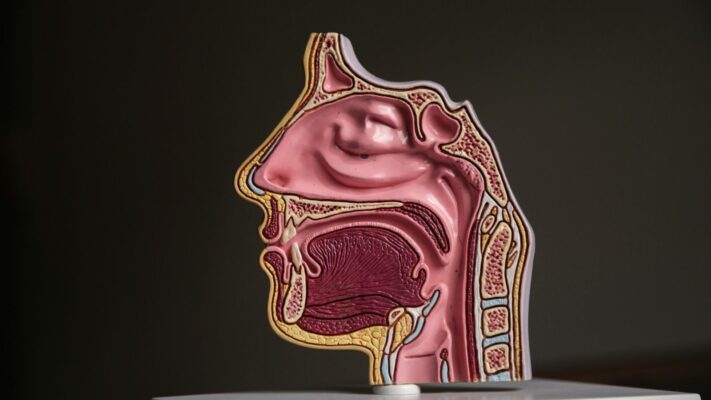
Nasal Anatomy and Its Functions
Prof. Dr. Fehmi Döner » General » Nasal Anatomy and Its FunctionsNasal anatomy consists of [...]
Read More ➜
25
Feb
Feb

What Is a Nose Type and What Are the Different Nose Types?
Prof. Dr. Fehmi Döner » General » What Is a Nose Type and What Are [...]
Read More ➜
25
Feb
Feb

My Nose Is Crooked After Rhinoplasty: What Should I Do?
Prof. Dr. Fehmi Döner » Rhinoplasty » My Nose Is Crooked After Rhinoplasty: What Should [...]
Read More ➜
23
Feb
Feb
Can Asymmetry of the Nostrils Occur After Rhinoplasty?
Prof. Dr. Fehmi Döner » Rhinoplasty » Can Asymmetry of the Nostrils Occur After Rhinoplasty?Asymmetry [...]
Read More ➜
23
Feb
Feb

Nasal Massage After Rhinoplasty
Prof. Dr. Fehmi Döner » Rhinoplasty » Nasal Massage After RhinoplastyNasal massage after rhinoplasty is [...]
Read More ➜
23
Feb
Feb

Swelling on the Nasal Bridge After Rhinoplasty
Prof. Dr. Fehmi Döner » Rhinoplasty » Swelling on the Nasal Bridge After RhinoplastySwelling on [...]
Read More ➜
23
Feb
Feb

What Should Be Considered After Rhinoplasty?
Prof. Dr. Fehmi Döner » Rhinoplasty » What Should Be Considered After Rhinoplasty?What to pay [...]
Read More ➜
23
Feb
Feb