

Nasal obstruction treatment in Turkey involves comprehensive medical and surgical approaches designed to restore normal nasal airflow and improve respiratory function. Evaluation is typically performed by otolaryngology specialists using endoscopic examination and imaging to determine the underlying anatomical or inflammatory cause.
Septoplasty and turbinate reduction procedures in Turkey are commonly performed to correct structural causes of nasal obstruction such as deviated septum or enlarged turbinates. These surgical techniques aim to widen the nasal airway, reduce resistance to airflow, and provide long-term functional improvement with minimally invasive methods.
Chronic nasal congestion treatment in Turkey often includes medical therapies targeting allergic rhinitis, sinus inflammation, or mucosal swelling. Treatment protocols may involve antihistamines, intranasal corticosteroids, saline irrigation, and allergy management to reduce persistent nasal blockage and improve breathing quality.
Advanced ENT clinics in Turkey provide integrated diagnostic and treatment options for nasal airway obstruction using modern endoscopic technology and individualized care plans. Multidisciplinary evaluation ensures that structural abnormalities, sinus disease, and allergic factors are addressed to achieve optimal respiratory outcomes.

About Me
Prof. Dr. Fehmi Döner
ENT and Head & Neck Surgery Specialist
I completed my primary and secondary education in İzmir. I completed my medical education at Istanbul University Cerrahpaşa Faculty of Medicine in 1988. I received my specialization training at Atatürk University Faculty of Medicine, Department of Otorhinolaryngology. During my specialization training, in order to increase my knowledge and experience, I spent different periods of time at Istanbul University Istanbul Faculty of Medicine, Department of Otorhinolaryngology, and participated in clinical studies.
After receiving my specialization in 1994, I worked at Kütahya State Hospital for eight months, and then in December 1994, I was appointed as an assistant professor to the Department of Otorhinolaryngology at Süleyman Demirel University.
View MoreThe Importance of Nasal Congestion
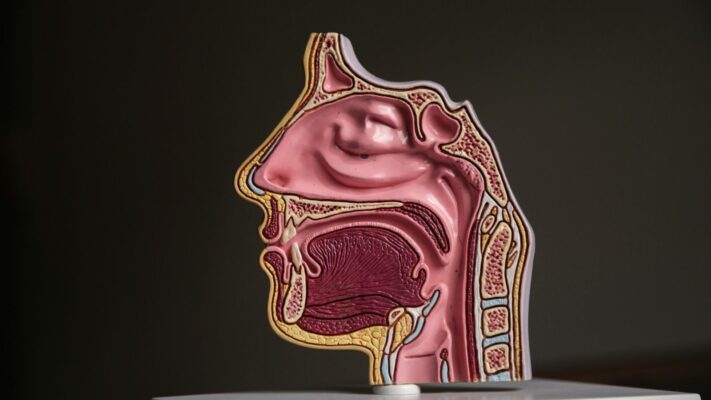
First of all, it is important to address the significant functions of the nose in human life. The nose is the beginning of the respiratory system, and the incoming air is warmed, filtered, and humidified inside the nose before being delivered to the lungs. At the same time, the nose is the starting point of the sense of smell. The fulfillment of these functions makes the negative effects of nasal congestion too important to ignore.
Nasal congestion makes breathing difficult while disrupting quality of life and sleep quality. Untreated nasal congestion may lead to serious problems in people who experience this issue for a long time, such as depression, reduced lung capacity, chronic pharyngitis, bad breath, dental problems, recurrent throat infections, and heart diseases.
Causes of Nasal Congestion
There are multiple causes of nasal congestion:
1. Septal Deviation: Curvatures in the cartilage and bone inside the nose are the most common problem causing severe nasal congestion. This internal deviation may be congenital or may develop later due to trauma. To resolve this issue, a simple surgery called septoplasty can be performed. This surgery takes approximately 1 hour, is performed under anesthesia, does not cause bruising or swelling of the face, and patients are discharged the same day. After a recovery period of 1 week, the patient can return to normal life. Postoperative tampon use is not required, which increases patient comfort.
2. Turbinate Enlargement: The turbinates (conchae), which are normally present inside the nose but may enlarge excessively in some patients, can be reduced with the radiofrequency method. This treatment is frequently applied and provides good results in suitable patients. Radiofrequency can easily be combined with other surgeries.
3. Sinusitis: Deterioration and inflammation of the mucosal tissue may cause nasal congestion.
4. Chronic Polyposis Sinusitis: In this type of sinusitis, white grape-like polyps form in the nose, and patients who do not respond to treatment undergo endoscopic sinus surgery.
5. Allergic Diseases: Allergic reactions may cause swelling of the inner nasal tissue and obstruction of airflow.
6. Hormonal Changes: Hormonal changes during pregnancy may cause nasal congestion. In addition, people with thyroid hormone disorders may also experience nasal congestion.
7. Smoking, Alcohol Consumption, and Medications: Masses forming inside the nose may also cause nasal congestion.
Contact us to get information about treatments and create an appointment!
Allergic Nasal Congestion
Allergic nasal congestion occurs as a result of allergens coming into contact with the mucosa. These allergens may cause complaints such as itching, sneezing, and postnasal drip in the nose, throat, and eyes. The severity of allergic nasal congestion may vary from person to person.
Symptoms of Allergic Nasal Congestion
Symptoms of allergic nasal congestion may appear at certain hours of the day or may continue as long as exposure to the allergen persists. During this process, symptoms such as runny nose, postnasal drip, itching, and sneezing may be observed. During periods when pollen is intense, care should be taken when going outside, masks should be used, and allergen sources such as furry blankets or carpets should be avoided. The immune system should also be kept strong.
Get in Touch!
Contact us to get information about treatments and create an appointment!
Do Nasal Sprays Cause Addiction?
Nasal sprays are effective and widely used products that help quickly relieve nasal congestion. However, long-term and incorrect use of these sprays may cause addiction and lead to health problems. Being consciously informed about the risk of addiction from nasal sprays is very important for healthy and safe use.
Types of Nasal Sprays
1. Decongestant Nasal Sprays:
These sprays reduce congestion by narrowing the blood vessels inside the nose. They contain active ingredients such as oxymetazoline, phenylephrine, and xylometazoline. Decongestant nasal sprays are used in conditions such as the common cold, sinusitis, and allergic rhinitis.
2. Steroid Nasal Sprays:
These sprays control congestion and nasal discharge by reducing inflammation inside the nose. They contain certain corticosteroids. Steroid nasal sprays are generally recommended for long-term use in the treatment of allergic rhinitis and chronic sinusitis.
Addiction and Rebound Effect
The greatest risk of decongestant nasal sprays is the condition known as the “rebound effect.” This effect is characterized by nasal congestion becoming worse when the spray wears off. The rebound effect occurs as a result of long-term and frequent use of sprays and develops as follows:
– First Use: The decongestant spray provides rapid relief and reduces nasal congestion.
– Continuous Use: Continuous use causes the nasal tissues to become accustomed to the spray.
– Rebound Effect: As the spray wears off, nasal congestion returns and becomes worse. In this case, the person feels the need to use the spray more often and in greater amounts.
– Addiction: Continuous use of the spray turns into a vicious cycle and addiction develops.
Symptoms of Addiction
– Nasal congestion not resolving without using the spray
– Gradual increase in the frequency of spray use
– Increased congestion and discomfort when not using the spray
– Inability to sleep or difficulty performing daily activities without using the spray
Recommendations to Prevent Addiction
– Pay Attention to Duration of Use: Do not use decongestant nasal sprays for more than 3-5 days.
– Prefer Steroid Sprays: For long-term use, choose steroid nasal sprays with a doctor’s recommendation.
– Follow Dosage Instructions: Follow the dosage instructions on the product label and do not exceed the recommended amount.
– Consult a Doctor: If nasal congestion becomes a persistent problem, consult a doctor and obtain information about alternative treatment methods.
Treatment and Overcoming Addiction
If nasal spray addiction has developed, the following steps may be taken to overcome it:
– Gradual Reduction: Gradually reduce spray use to help the nasal tissues return to normal.
– Alternative Treatments: Try alternative treatment methods such as saline nasal sprays, steam therapy, or antihistamine medications.
– Professional Help: Seek professional help from an ear, nose, and throat specialist and create an appropriate treatment plan.
Conclusion
Nasal sprays provide an effective solution for relieving nasal congestion when used correctly. However, long-term and incorrect use may cause addiction and lead to health problems. Therefore, using nasal sprays consciously and carefully is of great importance for health. If you are experiencing problems related to nasal spray addiction or the rebound effect, consult a healthcare professional to learn about the correct treatment methods.
For more information and consultation, you can contact us by filling out the contact form on our website.
Latest Posts

What Is a Failed Rhinoplasty? How Does It Happen? How Is It Recognized?
Prof. Dr. Fehmi Döner » General » What Is a Failed Rhinoplasty? How Does It [...]
Read More ➜
25
Feb
Feb
Nasal Anatomy and Its Functions
Prof. Dr. Fehmi Döner » General » Nasal Anatomy and Its FunctionsNasal anatomy consists of [...]
Read More ➜
25
Feb
Feb

What Is a Nose Type and What Are the Different Nose Types?
Prof. Dr. Fehmi Döner » General » What Is a Nose Type and What Are [...]
Read More ➜
25
Feb
Feb

My Nose Is Crooked After Rhinoplasty: What Should I Do?
Prof. Dr. Fehmi Döner » Rhinoplasty » My Nose Is Crooked After Rhinoplasty: What Should [...]
Read More ➜
23
Feb
Feb

Can Asymmetry of the Nostrils Occur After Rhinoplasty?
Prof. Dr. Fehmi Döner » Rhinoplasty » Can Asymmetry of the Nostrils Occur After Rhinoplasty?Asymmetry [...]
Read More ➜
23
Feb
Feb

Nasal Massage After Rhinoplasty
Prof. Dr. Fehmi Döner » Rhinoplasty » Nasal Massage After RhinoplastyNasal massage after rhinoplasty is [...]
Read More ➜
23
Feb
Feb

Swelling on the Nasal Bridge After Rhinoplasty
Prof. Dr. Fehmi Döner » Rhinoplasty » Swelling on the Nasal Bridge After RhinoplastySwelling on [...]
Read More ➜
23
Feb
Feb

What Should Be Considered After Rhinoplasty?
Prof. Dr. Fehmi Döner » Rhinoplasty » What Should Be Considered After Rhinoplasty?What to pay [...]
Read More ➜
23
Feb
Feb