

Septal perforation treatment in Turkey involves the medical and surgical repair of a hole in the nasal septum, aiming to restore nasal structure, improve airflow, and prevent chronic symptoms such as crusting, bleeding, and breathing difficulty. Specialized ENT surgeons apply advanced diagnostic and reconstructive techniques.
Advanced surgical options for septal perforation treatment in Turkey include endoscopic repair, local flap reconstruction, and graft-based closure using cartilage or fascia. These procedures are performed in modern medical centers and are designed to close the perforation while preserving normal nasal anatomy and function.
Cost-effective septal perforation surgery in Turkey attracts international patients due to the combination of experienced otolaryngology specialists and accredited hospitals. Treatment protocols follow international medical standards and include detailed evaluation, imaging, and individualized surgical planning.
Comprehensive care for septal perforation treatment in Turkey also includes postoperative monitoring, nasal hygiene management, and follow-up assessments to ensure proper healing. Multidisciplinary approaches help reduce complications, support mucosal regeneration, and improve long-term respiratory comfort.
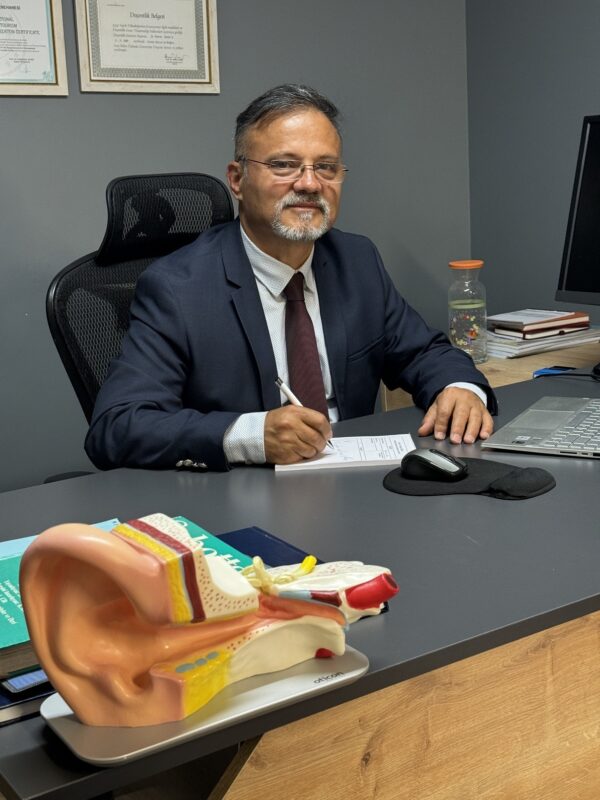
About Me
Prof. Dr. Fehmi Döner
ENT and Head & Neck Surgery Specialist
I completed my primary and secondary education in İzmir. I completed my medical education at Istanbul University Cerrahpaşa Faculty of Medicine in 1988. I received my specialization training at Atatürk University Faculty of Medicine, Department of Otorhinolaryngology. During my specialization training, in order to increase my knowledge and experience, I spent different periods of time at Istanbul University Istanbul Faculty of Medicine, Department of Otorhinolaryngology, and participated in clinical studies.
After receiving my specialization in 1994, I worked at Kütahya State Hospital for eight months, and then in December 1994, I was appointed as an assistant professor to the Department of Otorhinolaryngology at Süleyman Demirel University.
View MoreWhat Are the Causes of Septal Perforation?
The causes of septal perforation may include:
– It may occur as a result of trauma such as nasal surgeries, septal hematoma, nose piercing, constant nose picking, or septal fracture.
– Long-term use of nasal sprays may lead to septal perforation.
– Cocaine use may also cause septal perforation.
– Tissue diseases such as inflammatory disorders may lead to perforations in the nose.
– Infectious diseases may also cause septal perforation.
– In individuals exposed to chemical substances, especially chromium workers, the risk of septal perforation may increase.
– The formation of tumors may also lead to holes in the nose.
Contact us to get information about treatments and create an appointment!
Diagnosis and Treatment of Septal Perforation
If the person does not report any complaints, treatment for septal perforation may not be necessary. However, in patients with symptoms, treatment options include temporary solutions such as nasal irrigation, septal obturators, softening and moisturizing creams.
For a permanent solution, surgical intervention may be required. In the surgical method, the nasal mucosa is lifted and rotated toward the perforation area, and then the mucosa is sutured to close the hole. This procedure is performed from both sides, and a barrier such as cartilage or bone may be placed to prevent the hole from recurring.
Get in Touch!
Contact us to get information about treatments and create an appointment!
The surgical treatment success of perforations caused by cocaine use, nose picking, and certain diseases may be low. In addition, the chance of closure of holes in the front part of the nose is higher compared to those in the back. The probability of closing a small hole (less than 1 cm) ranges between 90% and 100%. The chance of closing a large hole (greater than 2 cm) is around 70% to 80%.
The surgeon’s knowledge and experience are very important for septal perforation repair. In order to achieve a successful surgical outcome, the correct approach and the selection of the appropriate surgical technique are necessary. Therefore, treatment options and methods should be carefully evaluated according to the patient’s specific condition.
Latest Posts

What Is a Failed Rhinoplasty? How Does It Happen? How Is It Recognized?
Prof. Dr. Fehmi Döner » General » What Is a Failed Rhinoplasty? How Does It [...]
Read More ➜
25
Feb
Feb
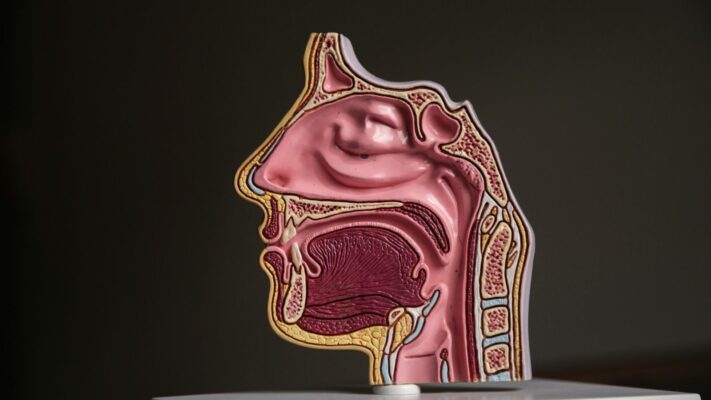
Nasal Anatomy and Its Functions
Prof. Dr. Fehmi Döner » General » Nasal Anatomy and Its FunctionsNasal anatomy consists of [...]
Read More ➜
25
Feb
Feb

What Is a Nose Type and What Are the Different Nose Types?
Prof. Dr. Fehmi Döner » General » What Is a Nose Type and What Are [...]
Read More ➜
25
Feb
Feb

My Nose Is Crooked After Rhinoplasty: What Should I Do?
Prof. Dr. Fehmi Döner » Rhinoplasty » My Nose Is Crooked After Rhinoplasty: What Should [...]
Read More ➜
23
Feb
Feb

Can Asymmetry of the Nostrils Occur After Rhinoplasty?
Prof. Dr. Fehmi Döner » Rhinoplasty » Can Asymmetry of the Nostrils Occur After Rhinoplasty?Asymmetry [...]
Read More ➜
23
Feb
Feb

Nasal Massage After Rhinoplasty
Prof. Dr. Fehmi Döner » Rhinoplasty » Nasal Massage After RhinoplastyNasal massage after rhinoplasty is [...]
Read More ➜
23
Feb
Feb

Swelling on the Nasal Bridge After Rhinoplasty
Prof. Dr. Fehmi Döner » Rhinoplasty » Swelling on the Nasal Bridge After RhinoplastySwelling on [...]
Read More ➜
23
Feb
Feb

What Should Be Considered After Rhinoplasty?
Prof. Dr. Fehmi Döner » Rhinoplasty » What Should Be Considered After Rhinoplasty?What to pay [...]
Read More ➜
23
Feb
Feb