

1. Introduction
This study on Prof. Dr. Fehmi Döner’s contributions to and impact on cochlear implants aims to examine significant scientific developments in the field of cochlear implants and to analyze Prof. Dr. Fehmi Döner’s work in this area in detail. Within this scope, the functioning of cochlear implants, their effects on health and social life, future trends, and Prof. Dr. Fehmi Döner’s academic career will be discussed.
1.1. Purpose and Significance of the Research
The purpose of this section is to examine in detail the research and contributions made by Prof. Dr. Fehmi Döner on cochlear implants, to evaluate the effects of these studies on health and social life, and to determine future trends in this field. In addition, reviewing important scientific developments related to cochlear implants and associating them with Prof. Dr. Fehmi Döner’s academic and clinical career constitutes an important part of this section.
2. What Is a Cochlear Implant?
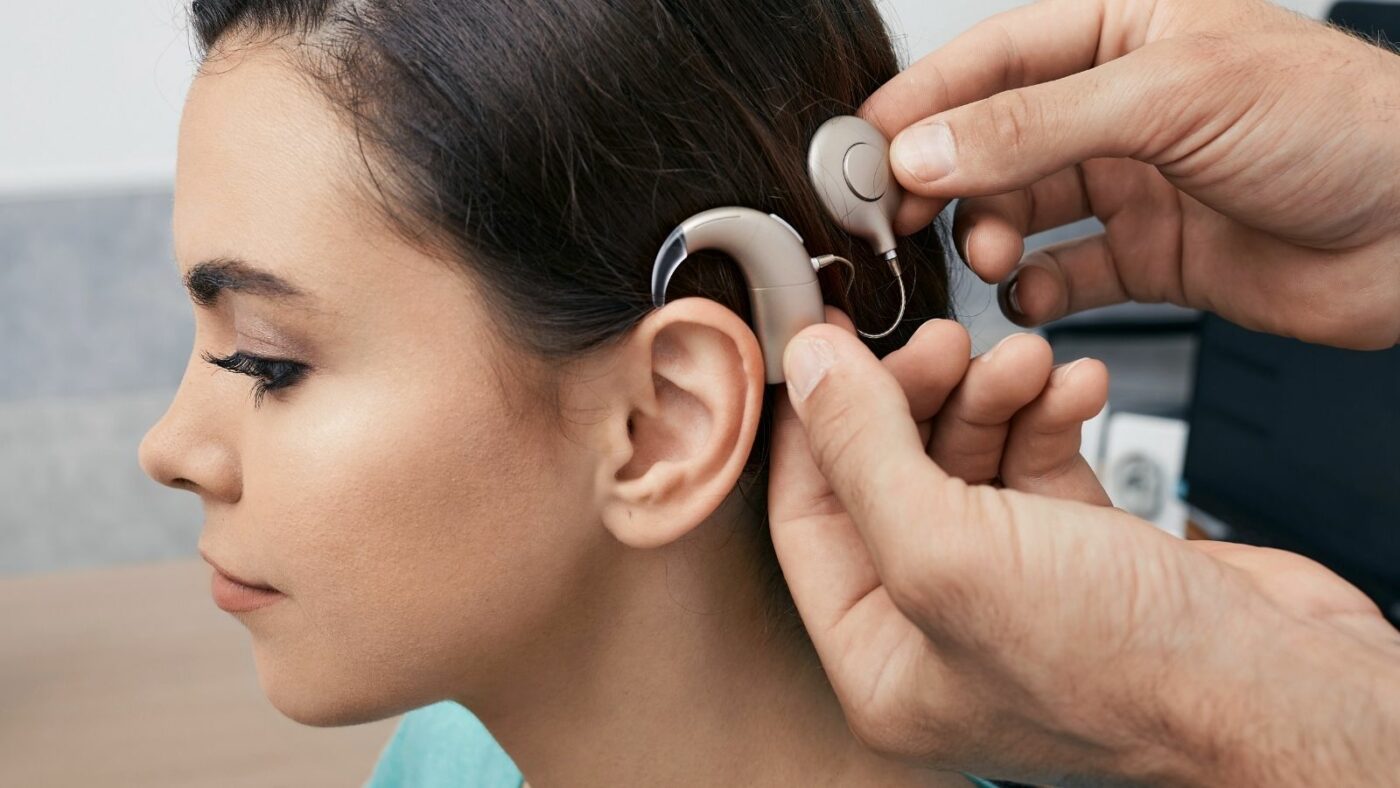
A cochlear implant is a type of inner ear device used to provide hearing ability to individuals with hearing loss. It aims to restore the sense of hearing by transmitting electrical signals directly to the auditory nerve. This device converts external sounds into signals that are transmitted to the brain via the auditory nerve. Unlike hearing aids, cochlear implants bypass structures such as the external auditory canal, middle ear, and tympanic membrane, directly stimulating the auditory nerve.
2.1. History and Development Process
The history of cochlear implants dates back to the 1950s. However, the foundations of modern cochlear implants were laid in the 1970s. Despite the limited technology of that period, the first implant trials were conducted, and with technological advancements in subsequent years, cochlear implants continued to develop further. With contributions from Prof. Dr. Fehmi Döner, many studies have been conducted on the history and development process of cochlear implants, leading to significant advancements in this field.
3. Functioning of the Cochlear Implant
The functioning of a cochlear implant begins with the collection of external sound by a microphone. This sound is processed by the device and converted into electrical signals, which are then transmitted to the cochlear implant. The converted electrical signals are delivered to electrodes located in the cochlea of the inner ear. These electrodes stimulate nerve cells, sending signals to the brain and enabling auditory information to be perceived. This process allows individuals with hearing loss to regain the ability to perceive and understand sounds through cochlear implants.
3.1. Hearing Mechanism and Information Transmission from the Cochlea to the Brain
The hearing mechanism involves the reception of sounds from the external environment by the ear and their transmission to the brain via the auditory nerve. Information transmission from the cochlea to the brain refers to the process by which sound information from the cochlea in the inner ear is conveyed to the brain. Cochlear implants support this process by mimicking the natural hearing mechanism, enabling individuals with hearing loss to perceive external sounds and communicate effectively in daily life.
4. Academic and Clinical Career of Prof. Dr. Fehmi Döner
Prof. Dr. Fehmi Döner began his academic career at Istanbul University, Istanbul Faculty of Medicine, and conducted education and research for many years in the fields of audiology, hearing, and speech disorders. He began his clinical career after completing his specialization training at various hospitals and further developed his expertise in the field of cochlear implants. With a dynamic and well-established academic background, Prof. Dr. Fehmi Döner is recognized for his work on cochlear implants.
4.1. Education and Areas of Expertise
Prof. Dr. Fehmi Döner’s education focused on the medical faculty where he completed his undergraduate studies and the field in which he pursued his specialization training. He specialized in audiology, hearing, and speech disorders and conducted numerous academic studies in this field. His expertise in cochlear implants is grounded in both his academic research and clinical experience.
5. Studies Conducted on Cochlear Implants
Studies conducted on cochlear implants aim to improve the quality of life of individuals with hearing loss. These studies focus on the effectiveness, usage, and technological developments of cochlear implants. In addition, research on the health and social impacts of cochlear implants is also addressed within this scope. The fundamental research conducted by Prof. Dr. Fehmi Döner provides significant contributions to understanding the functioning of cochlear implants and the hearing mechanism.
5.1. Fundamental Research by Prof. Dr. Fehmi Döner
Prof. Dr. Fehmi Döner made significant contributions to the scientific literature by conducting fundamental research on cochlear implants. His studies, particularly on the functioning of cochlear implants, the hearing mechanism, and how the brain processes this information, have had a substantial impact on the development of the field. In addition, his research on the health and social adaptation of cochlear implant users has contributed to the expansion of scientific data and practical applications in this area.
6. Effects of Cochlear Implants on Health and Social Life
Cochlear implants have significant effects on the health and social lives of individuals with hearing loss. By regaining their hearing ability, individuals improve their communication skills and participate more actively in society. This strengthens their social relationships and significantly enhances their quality of life. Furthermore, cochlear implants facilitate participation in education and professional life, increase psychological well-being, and boost self-confidence. All these factors clearly demonstrate the positive impact of cochlear implants on health and social life.
6.1. Hearing Loss and Quality of Life
Hearing loss is a condition that can significantly affect an individual’s quality of life. Individuals with hearing loss may experience difficulties in social relationships, reduced communication skills, and decreased self-confidence. This can lead to a decline in quality of life and the emergence of psychological issues. Cochlear implants play an important role in improving the quality of life of individuals with hearing loss. By regaining their hearing ability, they strengthen social relationships, enhance communication skills, and approach life with a more positive perspective, contributing to an overall improvement in quality of life.
7. Contributions and Innovations of Prof. Dr. Fehmi Döner
Prof. Dr. Fehmi Döner has made significant contributions to the field of cochlear implants through his work. He is known for his advanced research and innovations aimed at the development of cochlear implant technology. Having introduced numerous innovations in this field, Prof. Dr. Fehmi Döner has carried out important studies to improve the quality of life of individuals with hearing impairment. Research conducted under his leadership has played a key role in bringing cochlear implant technology to its current successful level.
7.1. Innovations in Clinical Applications
Prof. Dr. Fehmi Döner has implemented important innovations in clinical applications related to cochlear implants. He is recognized for the methods he developed in surgical procedures and post-operative rehabilitation processes of cochlear implants. These innovative clinical applications enable individuals with hearing loss to regain their hearing functions and lead healthier lives. His innovations in clinical practice have contributed significantly to progress in the field of cochlear implants.
8. Future Trends in the Field of Cochlear Implants
Future trends in the field of cochlear implants include making hearing devices smaller, lighter, more powerful, and longer-lasting. In addition, with more advanced hearing technologies, a more natural hearing experience and improved speech intelligibility are targeted. Furthermore, smarter devices with more connectivity options and wireless communication features are being developed. These trends aim to enhance the quality of life of cochlear implant users and provide greater hearing capability.
8.1. Technological Developments and Expectations
Developments in cochlear implant technology focus on expected features such as better hearing performance, longer battery life, reduced maintenance requirements, and more durable devices. Moreover, advanced technologies such as artificial intelligence and machine learning are expected to be integrated into cochlear implant systems. Additionally, improvements requiring less surgical intervention and better implant integration are anticipated. All these technological developments aim to further enhance the hearing experience of cochlear implant users.
9. Conclusion and Recommendations
In this study, the findings obtained as a result of a detailed examination of research on cochlear implants and the contributions of Prof. Dr. Fehmi Döner have been presented. Various conclusions have been reached regarding the functioning of cochlear implants and their effects on health and social life. In addition, recommendations have been offered regarding how technological developments and future trends may impact the field of cochlear implants.
9.1. Evaluation of Prof. Dr. Fehmi Döner’s Contributions
As a result of evaluating the fundamental research and innovations in clinical applications conducted by Prof. Dr. Fehmi Döner on cochlear implants, his contributions to the field have been examined in detail. Furthermore, recommendations have been made regarding how his academic and clinical career and technological developments may shape the field of cochlear implants.
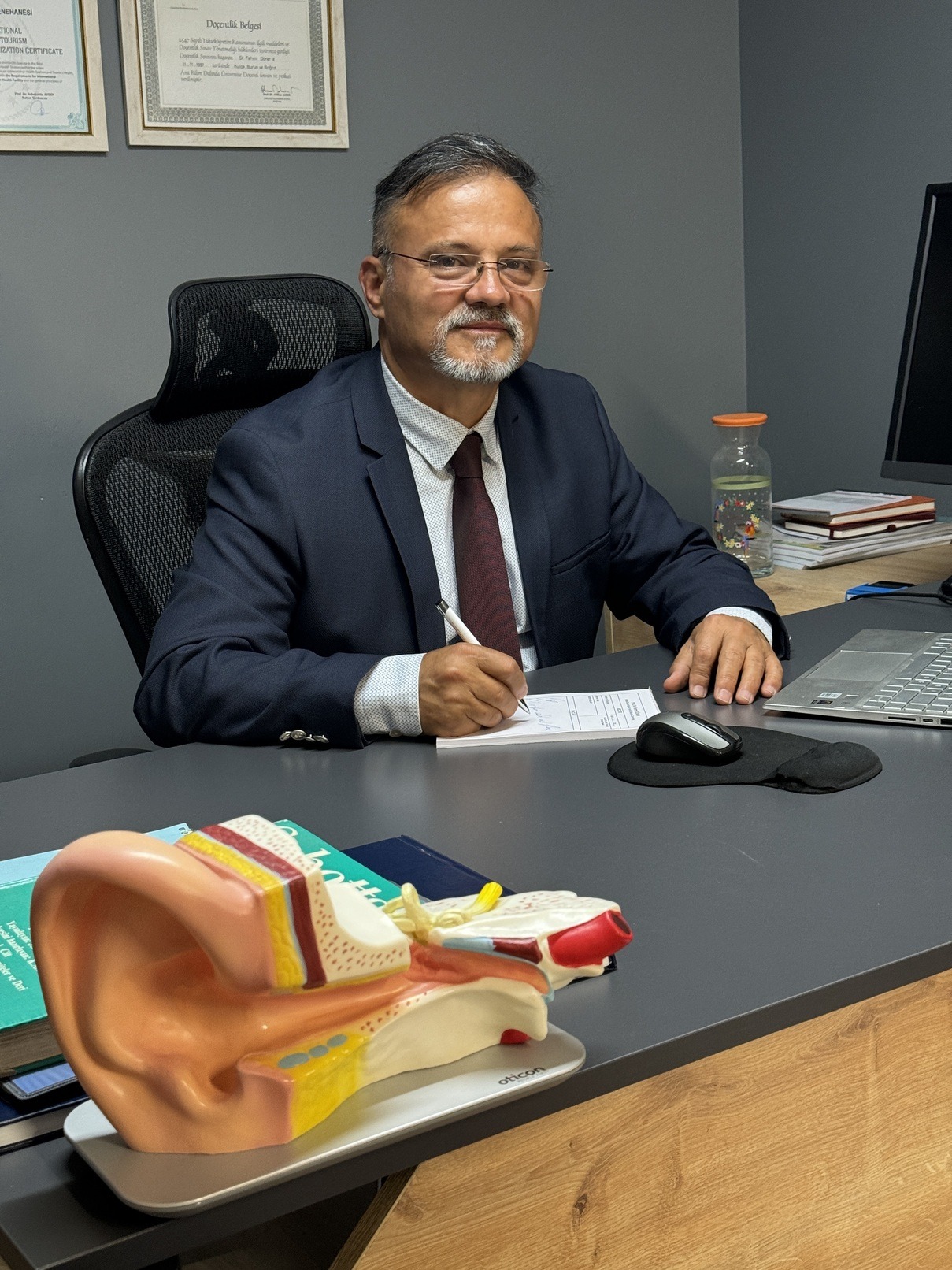
I completed my primary and secondary education in İzmir. I completed my medical education at Istanbul University Cerrahpaşa Faculty of Medicine in 1988. I received my specialization training at Atatürk University Faculty of Medicine, Department of Otorhinolaryngology. During my specialization training, in order to enhance my knowledge and experience, I spent various periods of time at Istanbul University Istanbul Faculty of Medicine, Department of Otorhinolaryngology, and participated in clinical studies. After obtaining my specialization in 1994, I worked for eight months at Kütahya State Hospital, and then in December 1994, I was appointed as an assistant professor at the Department of Otorhinolaryngology at Süleyman Demirel University.