


1. Introduction
In this study titled Current Developments in the Treatment of Hearing Loss by Prof. Dr. Fehmi Döner, research and treatment methods related to hearing loss are discussed. The definition, classification, causes, social and psychological effects, diagnosis, treatment methods of hearing loss, as well as Prof. Dr. Fehmi Döner’s studies on the subject and current research are included. This study, which examines the studies and developments in this field—an important problem with very broad impacts—provides evidence-based scientific information in the area of hearing loss treatment.
2. What Is Hearing Loss?
Hearing loss is a condition in which an individual loses part or all of their ability to hear. This can be defined as a decrease in the capacity to hear, understand, or process sounds. Types of hearing loss are classified as conductive, sensorineural, and mixed hearing loss. Conductive hearing loss results from problems in the outer ear, middle ear, or inner ear, whereas sensorineural hearing loss results from issues related to the inner ear or the auditory nerve.
2.1. Definition and Classification
Hearing loss is a condition in which an individual loses part or all of their ability to hear. This can be defined as a decrease in the capacity to hear, understand, or process sounds. Types of hearing loss are classified as conductive, sensorineural, and mixed hearing loss. Conductive hearing loss results from problems in the outer ear, middle ear, or inner ear, whereas sensorineural hearing loss results from issues related to the inner ear or the auditory nerve.
2.2. Causes
Hearing loss may occur due to various causes. Genetic factors, aging, exposure to noise, infections, head trauma, medications, medical conditions, and certain diseases are among the causes of hearing loss. Conductive hearing loss may result from issues such as outer ear infections or fluid accumulation in the middle ear, while causes of sensorineural hearing loss include aging, exposure to noise, genetic factors, and certain infections.
3. Social and Psychological Effects of Hearing Loss
Hearing loss has significant effects on individuals’ social and psychological health. People with hearing loss may experience difficulties in social interactions and, when they have a hearing impairment, may face risks of exclusion, discrimination, and isolation in society. This can lead to psychological problems such as depression, anxiety, and low self-esteem. The work and educational lives of individuals with hearing loss may also be negatively affected, which can lead to economic and social problems. Therefore, the social and psychological effects of hearing loss should be taken into account during the treatment process, and support should be provided to individuals.
4. Diagnosis of Hearing Loss
To diagnose hearing loss, a detailed examination by an ear, nose, and throat specialist or an audiologist is generally required. During the examination, the patient’s history is reviewed in detail and hearing tests are administered. In addition, imaging methods may be used to determine whether the patient is suitable for treatment methods such as hearing aids or cochlear implants.
4.1. Hearing Tests
Hearing tests are important tools used to determine the degree and type of hearing loss. The patient is tested in a room according to their responses to sound frequencies and intensities. Through these tests, it is determined at which frequencies and to what extent the patient experiences hearing loss. Accordingly, an appropriate treatment method is determined.
4.2. Imaging Methods
Imaging methods may be used to identify the cause of hearing loss and determine appropriate treatment methods. These include computed tomography (CT) and magnetic resonance imaging (MRI). With these methods, structural abnormalities or blockages within the ear can be detected, thereby determining whether surgical intervention is necessary.
5. Treatment Methods for Hearing Loss
Methods used in the treatment of hearing loss include medication therapy, surgical interventions, and hearing aids and cochlear implants. The decision to apply these methods is made according to the type, degree, and cause of the patient’s hearing loss. A detailed evaluation and diagnostic process is required to determine the most appropriate treatment method for each patient. The effectiveness and advantages of these methods may vary depending on the patient’s condition; therefore, individual differences should be considered in treatment planning.
5.1. Medication Therapy
Some causes of hearing loss, especially conditions such as infections or inflammations, can be treated with medication therapy. For example, corticosteroids are frequently used in temporary hearing loss. However, it is rare for permanent hearing loss to be completely corrected with medication therapy. Medication therapy may generally not be effective for hearing loss; therefore, other treatment options should also be considered.
5.2. Surgical Interventions
Surgical interventions may be required in some cases of hearing loss. For example, middle ear problems, blocked auditory tubes, or various tumors can be corrected surgically. Surgical interventions can often reverse or improve hearing loss. However, surgical options may not be suitable for every patient, and the risks should also be considered.
5.3. Hearing Aids and Cochlear Implants
Hearing aids and cochlear implants are commonly used devices to help people with hearing loss. Hearing aids amplify external sounds in a way that is suitable for the hearing ability of the person with hearing loss. Cochlear implants, on the other hand, are a surgical implant system that aims to restore hearing ability by directly stimulating the auditory nerve. Both methods can significantly improve the quality of life of individuals with hearing loss.
6. Prof. Dr. Fehmi Döner and His Studies
Prof. Dr. Fehmi Döner is known for his work in the field of hearing loss treatment. He is particularly recognized for his research on cochlear implants and hearing aids. Through his clinical studies and applications, he has provided solutions for many people with hearing loss and positively affected their lives. In addition, he has published various scientific articles and books nationally and internationally, sharing his knowledge in the treatment of hearing loss. Research projects carried out under the leadership of Prof. Dr. Fehmi Döner contribute to the development of innovative approaches in hearing loss treatment. He is an internationally recognized expert in the field of hearing loss treatment.
7. Current Research on Hearing Loss Treatment
Today, many studies and developments are taking place in the field of hearing loss treatment. High-technology-based studies offer promise in the treatment of hearing loss. Gene therapy studies focus on methods such as gene editing and gene therapy by examining the genetic causes of hearing loss. Stem cell research, on the other hand, focuses on reconstructing healthy cells through the use of stem cells in individuals with hearing loss. These studies enable promising developments in the field of hearing loss treatment.
7.1. Gene Therapy Studies
Gene therapy studies offer a genetically based approach to the treatment of hearing loss. Such studies focus on understanding the genetic causes of hearing loss and developing treatment options accordingly. Methods such as gene editing and gene therapy show promise for hearing loss treatment. Gene therapy studies take important steps toward finding permanent solutions by investigating the genetic factors underlying the condition.
7.2. Stem Cell Research
Stem cell research is an important field that examines the potential of stem cells in the treatment of hearing loss. These studies focus on reconstructing healthy cells through the use of stem cells in individuals with hearing loss. The potential of stem cells in hearing loss treatment is very promising and may enable the development of new treatment methods in this field in the future.
8. Artificial Intelligence Applications in Hearing Loss Treatment
Artificial intelligence applications in hearing loss treatment have made major progress in recent years. Artificial intelligence is used to develop customized treatment methods according to the needs of individuals with hearing loss. These applications are effective in improving the performance of hearing aids and cochlear implants. In addition, artificial intelligence helps to make more accurate diagnoses by analyzing hearing test results. In this way, more effective treatment plans can be created for individuals. Artificial intelligence applications will become more widespread in the future in the field of hearing loss treatment and will play an important role in improving individuals’ quality of life.
9. Future Projections in the Field of Hearing Loss Treatment
Future projections in the field of hearing loss treatment are shaped by new technological developments and research. Especially gene therapy and stem cell research may have great potential for the treatment of hearing loss in the future. In addition, the impact of artificial intelligence applications on hearing aids and cochlear implants may gain more importance in the future. In this direction, increased collaboration and investment are expected in the field of hearing loss treatment. Thus, the treatment and rehabilitation processes of individuals with hearing loss may become more effective and successful.
10. Conclusion and Recommendations
Current studies and research on hearing loss treatment show that hearing loss should be addressed with a multidisciplinary approach. In this context, continuous investment is required to develop and expand treatment methods. In addition, it is of great importance for individuals with hearing loss to receive psychosocial support and to raise awareness in this field. Future studies focusing on innovative areas such as gene therapy and artificial intelligence may lead to significant progress in the field of hearing loss treatment. As a result, continuously monitoring and supporting research and practices in hearing loss treatment will contribute to the emergence of new treatment options that offer hope to individuals with hearing loss.
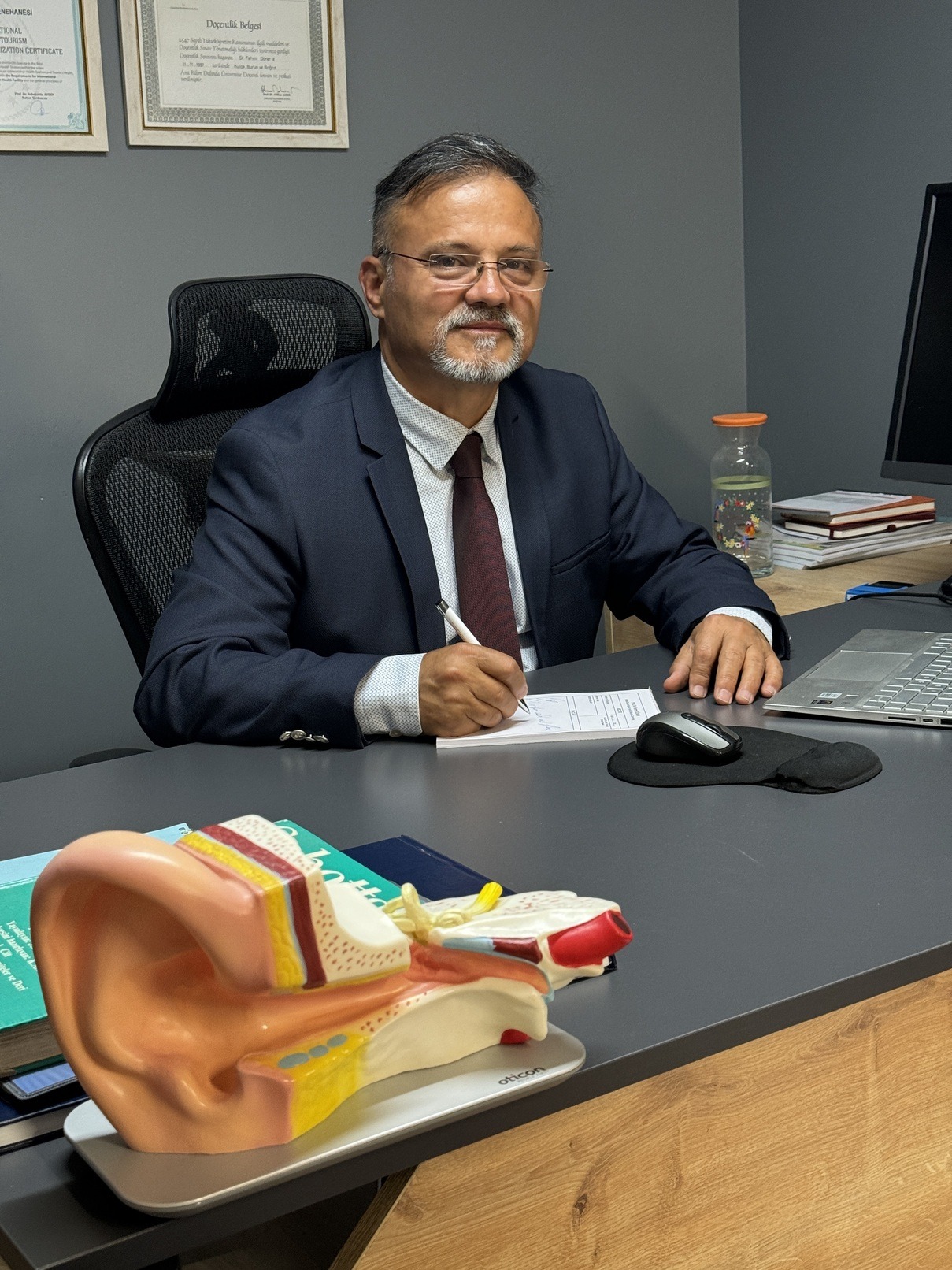
I completed my primary and secondary education in İzmir. I completed my medical education at Istanbul University Cerrahpaşa Faculty of Medicine in 1988. I received my specialization training at Atatürk University Faculty of Medicine, Department of Otorhinolaryngology. During my specialization training, in order to enhance my knowledge and experience, I spent various periods of time at Istanbul University Istanbul Faculty of Medicine, Department of Otorhinolaryngology, and participated in clinical studies. After obtaining my specialization in 1994, I worked for eight months at Kütahya State Hospital, and then in December 1994, I was appointed as an assistant professor at the Department of Otorhinolaryngology at Süleyman Demirel University.