

Nasal tip surgery in Turkey is a specialized rhinoplasty procedure that focuses on reshaping the nasal tip to improve symmetry, projection, and overall facial harmony. The operation targets cartilage structures at the tip of the nose and is performed using advanced surgical techniques by experienced plastic surgeons.
Cost of nasal tip surgery in Turkey is generally more affordable compared with many Western countries while maintaining high medical standards. Accredited hospitals, modern surgical technologies, and internationally trained surgeons contribute to safe procedures and consistent aesthetic outcomes for international patients.
Recovery after nasal tip surgery in Turkey typically involves mild swelling and temporary sensitivity around the nasal tip. Most patients resume normal daily activities within one week, while final refinement of the nasal tip contour gradually becomes visible as swelling decreases over several weeks.
Benefits of choosing Turkey for nasal tip surgery include access to experienced rhinoplasty specialists, comprehensive medical tourism services, and high-quality clinical facilities. Many clinics offer personalized treatment planning and post-operative monitoring to ensure functional improvement and natural-looking results.
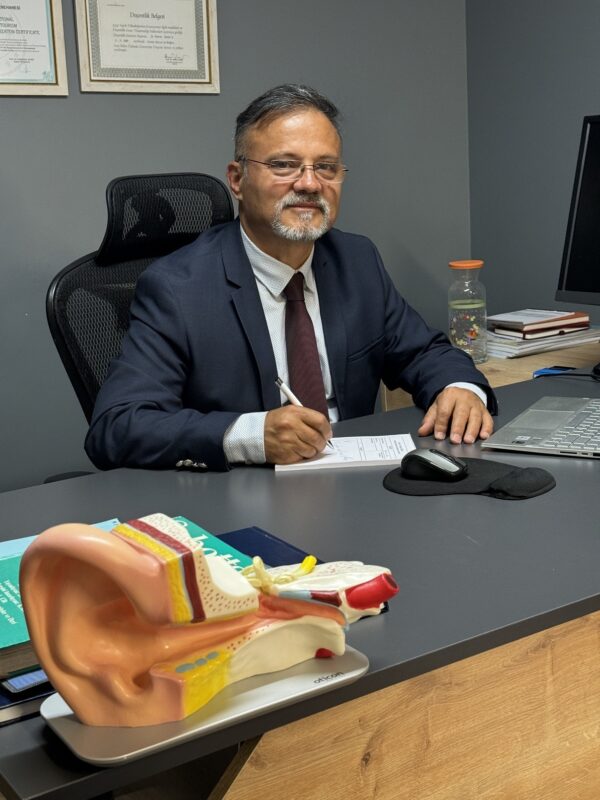
About Me
Prof. Dr. Fehmi Döner
ENT and Head & Neck Surgery Specialist
I completed my primary and secondary education in İzmir. I completed my medical education at Istanbul University Cerrahpaşa Faculty of Medicine in 1988. I received my specialization training at Atatürk University Faculty of Medicine, Department of Otorhinolaryngology. During my specialization training, in order to increase my knowledge and experience, I spent different periods of time at Istanbul University Istanbul Faculty of Medicine, Department of Otorhinolaryngology, and participated in clinical studies.
After receiving my specialization in 1994, I worked at Kütahya State Hospital for eight months, and then in December 1994, I was appointed as an assistant professor to the Department of Otorhinolaryngology at Süleyman Demirel University.
View MoreWhat is a tipplasty operation and what does it aim to achieve?
Tipplasty is the most specific and perhaps the most expertise-demanding subspecialty in the world of rhinoplasty. Patients often immediately associate nose surgery with difficult processes involving broken bones, facial bruising, and casts. However, tipplasty concerns only the lower, mobile one-third of the nose. This region contains no bone; it is a three-dimensional and highly complex structure composed entirely of cartilages, ligaments, muscles, and skin.
The main aim of this operation is to correct only the problems at the tip without touching the dorsum and the bony structure of the nose. The width, height, angle of the nasal tip, and the positioning of the nostrils are reshaped with this surgery. However, do not be misled by the phrase “we are only correcting the tip.” The nasal tip is the most dynamic point of facial aesthetics. It moves while speaking, is pulled downward when smiling, and moves during breathing. Therefore, tipplasty is not a simple “removal of excess” procedure but a serious engineering work.
For whom is nasal tip aesthetics (tipplasty) a suitable option?
Not every nose may be suitable for this procedure. Tipplasty candidates are generally people who are satisfied with the nasal hump, overall width, or bony structure of their nose but are concerned only about the details at the tip. If you have a prominent hump, deviation, or bony width on the nasal dorsum, correcting only the tip can create an appearance that is incompatible with the rest of the nose. In that case, full rhinoplasty becomes a more appropriate option.
However, if your problem is only at the “tip,” tipplasty is ideal for you. The most common reasons for applying for this operation are usually based on visual concerns.
The main issues that can be corrected with tipplasty are as follows:
- Droopy nasal tip
- Wide nasal tip
- Asymmetrical nostrils
- A nasal tip that looks pinched as if squeezed with a clothespin
- Excessively upturned nasal tip
- Long nasal tip
- Bifid nasal tip
Why are nasal tip anatomy and the tripod theory important in tipplasty surgery?
To understand the nasal tip, I would like you to imagine a tent. Just as a tent is held up by poles, the nasal tip is also supported by cartilaginous structures. In surgery, we call this the “Tripod Theory,” the three-legged stand theory. Your nasal tip is supported by the right and left alar cartilages and the cartilage in the middle called the septum.
This structure standing on three legs has an extremely delicate balance. If the surgeon shortens or weakens one of these legs more than necessary due to aesthetic concerns, the nasal tip, like a stand with a shortened leg, tilts or collapses toward that side. Therefore, in modern surgery, our aim is not to cut away and discard cartilage, but to reposition and strengthen it.
In older operations, cartilage was ruthlessly removed to thin the nose. As a result, over time, noses appeared pinched as if squeezed with a clothespin, could not breathe, and had drooping tips. Today, we preserve the cartilages. We shape them with special suturing techniques, change their curvatures, but ensure that they continue to exist. Because those cartilages not only shape the nose, but also serve as pillars that prevent your nose from collapsing while you breathe.
How does skin thickness affect tipplasty success?
Perhaps the most talked-about but least understood topic in this process is skin thickness. No matter how perfectly we create the underlying cartilage framework as surgeons, the covering layer—skin—is the ultimate factor that determines the result.
Let us consider a thin-skinned patient. Thin skin is like a silk sheet. It clearly reveals every detail, every curve, every millimetric change underneath. This is a great advantage for obtaining an elegant and sharply contoured nasal tip. However, it is also a situation that does not tolerate errors for the surgeon. The slightest irregularity left on the cartilage, a suture knot, or a tiny asymmetry becomes immediately visible under thin skin. Therefore, in thin-skinned patients, we use “camouflage” techniques. We smooth transitions by covering the cartilages with soft tissues or crushed cartilages.
Thick skin, on the other hand, is like a heavy velvet curtain or a thick quilt. No matter how delicate the cartilage work is underneath, thick skin tends to conceal these details. The greatest risk in thick-skinned patients is that the nasal tip remains “bulbous” or shapeless after surgery. Because the skin is thick and cannot adapt and shrink to the reduced framework. Our strategy is completely different in these patients. Instead of reducing the cartilages, we aim to stretch the skin from inside by strengthening the nose even more. To refine the nasal tip, it is necessary not to hollow out under the skin, but to build a strong cartilage roof that will carry the skin.
What is the difference between open and closed techniques used in tipplasty surgery?
Another topic that is frequently discussed among our patients and creates confusion is the choice of technique. Open technique or closed technique? In fact, the aim of both methods is the same: to reach the cartilages and shape them. The difference lies in how we reach these cartilages.
In the closed technique, all incisions are made from inside the nostrils. When viewed from the outside, there is no visible scar. The surgeon shapes the cartilages by working through the nostrils. This technique can be preferred in cases that do not require major revisions at the tip and whose symmetry is relatively proper. Its advantage is that swelling may subside somewhat faster in the healing process due to less tissue trauma.
In the open technique, the nasal skin is lifted by making a tiny incision on the column between the two nostrils, which we call the “columella.” This provides the surgeon with an enormous field of view. It allows us to clearly see all asymmetries at the tip, cartilage weaknesses, and anatomical deformities with the naked eye, just like opening the hood of a car and looking at the engine. Especially in complex nasal tip aesthetics, in cases where cartilage additions (grafts) are required, or in the correction of pronounced asymmetries, the open technique gives the surgeon great control. The tiny incision scar on the columella, when properly sutured, becomes completely indistinct over time and is impossible to notice from social distance.
Contact us to get information about treatments and create an appointment!
How is nasal tip drooping permanently corrected with tipplasty?
Have you noticed that the tip of your nose moves downward when you smile? Or that with age your nose seems to have become a bit longer and droopier? This is a natural result of gravity and the muscles that connect the nasal tip to the lip. In tipplasty surgeries, the biggest fear of our patients is that the nasal tip lifted by surgery will drop again over time.
With older techniques, this risk was higher because the nasal tip was only suspended upward with sutures. Today, however, we use structural engineering methods. To support the nasal tip permanently, we use support struts called a “Strut Graft” or the “Tongue-in-Groove” (Tongue and Groove) method.
You can imagine it like this: instead of holding your nasal tip up in the air only with strings, we build a solid column underneath. This column is usually a straight piece obtained from the patient’s own septal cartilage. This piece is placed between the two nostrils, and the nasal tip cartilages are sutured to this solid support. In this way, the nasal tip becomes resistant for life both to gravity and to the downward pulling effect of facial muscles. Moreover, the muscles that pull the nasal tip downward while smiling are also released during this procedure, preventing dynamic tip drooping.
Does tipplasty improve breathing or make it more difficult?
Although cosmetic surgery is often associated only with appearance, for an Ear, Nose, and Throat physician, priority is always function. The nasal tip is the entrance gate of the breathing mechanism. The narrowest airflow passage area that we call the “nasal valve” is located just behind the nasal tip.
If the nasal tip is narrowed too much for aesthetic concerns or the cartilages are excessively weakened, the patient feels the nasal wings collapsing inward with each breath. We call this “valve insufficiency.” A nose that is aesthetically beautiful but functionally not working is a failed surgery for us.
Therefore, during tipplasty, we are not only shaping, but also reinforcing the airway. If the patient’s nasal wings are weak and collapse while breathing, we strengthen these areas with cartilage supports called a “Rim Graft” or an “Alar Batten Graft.” In this way, after surgery, you have both a more elegant nasal tip and you can breathe much more comfortably and with higher quality than before because your airway is supported.
Why are cartilage grafts used in nasal tip aesthetics?
Grafts are indispensable in tipplasty surgery. A graft means a piece of tissue taken from one part of the body and transferred to another part. While reconstructing the nasal tip, we often need cartilage grafts to complete what is missing, strengthen what is weak, or provide shape.
The best source for these cartilages is the septal cartilage inside the nose itself. These cartilages, which we remove while correcting deviations inside the nose, are excellent building materials thanks to their straight and firm structure. However, in patients who have previously undergone surgery and whose septal cartilage is depleted, we may resort to ear cartilage. The cartilage taken from the auricle does not disrupt the structure or appearance of the ear. Thanks to its curved structure, it is ideal especially for supporting the nasal wings or giving soft curves to the nasal tip. In very rare cases, rib cartilage may also be needed, but this generally applies to multiple revision cases.
How are the preoperative process and simulation studies carried out?
The decision-making stage is as important as the surgery itself. In the first examination, we do not only look at your nose; we analyze your skin quality, cartilage strength, facial proportions, and chin structure. We discuss how much your dream nose matches your anatomical realities.
At this stage, digital imaging systems and simulation programs come into play. On your professionally taken photographs, we design a possible new appearance of your nose. How much should the tip be lifted? How curved should the dorsum be? What should the lip angle be? We discuss the answers to all these questions visually. These simulations do not guarantee the “output” of the surgery 100% because living tissue is not computer pixels; however, they ensure that the patient and the physician speak the same aesthetic language. We clarify whether what you call “natural” matches what I understand as “natural” thanks to these simulations.
How do tipplasty surgery day and the anesthesia process proceed?
Tipplasty surgeries are generally performed under general anesthesia to ensure the highest level of patient comfort and surgical precision. Although it can also be performed under local anesthesia, factors such as the patient’s excitement, an increase in blood pressure, and increased bleeding can make the surgeon’s millimetric work more difficult. Therefore, sleeping is preferred both for your comfort and so that we can do our work in the best possible way.
The operation takes about 1 to 2 hours on average. Since no bone breaking is performed, it is a much “lighter” surgery compared to classic rhinoplasty procedures. At the end of the operation, grooved silicones that allow you to breathe are placed inside your nose. The old-style gauze tampons are now history, so you do not need to fear tampons. Small tapes and a thermoplastic splint are placed on the nasal tip to maintain its shape. Generally, our patients can be discharged to their homes the same day after the effects of anesthesia wear off.
Get in Touch!
Contact us to get information about treatments and create an appointment!
What can you expect during the recovery process after tipplasty?
The postoperative period is the part our patients are most curious about. Since the bones are not touched, bruising on the face and swelling around the eyes are almost never present or remain minimal. The most prominent complaint is a feeling of congestion in the first few days due to edema and crusting inside the nose.
The main stages of the recovery process are as follows:
- First 48 hours
- First week
- First month
- Third month
- Sixth month and beyond
The first 48 hours are the period when swelling is most intense. It is recommended that you sleep with your head elevated and apply intermittent ice. Pain is generally very low and can be easily controlled with simple painkillers.
At the end of the first week, we meet at the clinic. This is our favorite appointment because we remove the splint on the nose and the internal silicones. That is the moment when you first encounter the new shape of your nose. When you first see it, your nose may look swollen and perhaps a bit overly upturned to you. This is completely normal and expected.
How long does it take for swelling to subside and for the result to settle?
After tipplasty, patience is your most important medicine. The nasal tip is the farthest endpoint of lymphatic circulation in the face. Therefore, the last place where swelling leaves the body is the nasal tip. While swelling on the dorsum subsides in a few weeks, it takes time for the fine details at the nasal tip to emerge and for the skin to adhere fully to the cartilage.
The healing timeline is as follows:
- First month: Approximately 60–70% of the swelling has gone down. No one in social life will understand that you had surgery, but when you touch it, you may find the tip firm and numb.
- 3rd month: The residual swelling completely resolves, and when you take photos, your nose begins to look more refined.
- 6th month: The nasal tip begins to soften, loss of sensation fully improves, and fine details become apparent.
- 1 year: Your nose has now taken its final shape. We call this “the nose settling.” In thick-skinned patients, this process can take 1.5–2 years.
During this period, you may see your nose more swollen in the mornings when you wake up and more reduced in the evenings. These fluctuations are a natural part of the physiology of healing.
What restrictions should be observed after surgery?
A successful surgery should be crowned with attentive care. What you should and should not do in the postoperative period directly affects the quality of the result. Especially in the early period, since the cartilages have not yet fused into their new positions, they are unprotected against impacts.
The restrictions to be observed are:
- Heavy sports (fitness, weight lifting)
- Wearing glasses
- Excessively hot environments (Turkish bath, sauna)
- Direct exposure to sunlight
- Forceful nose blowing during nasal cleaning
- Sleeping face down
- Brushing teeth too hard
- Making excessive facial expressions
Sun protection is especially important. Healing nasal skin is very sensitive to the sun and can easily stain or increase swelling. For this reason, we strongly recommend using a high-factor sunscreen and a hat for the first 6 months. Wearing glasses can also cause deformation by putting pressure on the nasal bones or sidewalls, so we recommend switching to contact lenses for the first 2 months.
What are the risks and complications that may occur after tipplasty?
In no field of medicine can 100% guarantees be mentioned, and tipplasty is no exception. Although it is a safe and satisfying procedure, there are some risks depending on biological healing factors.
Possible risks are:
- Development of infection
- Bleeding or hematoma
- Suture reactions
- Minimal asymmetries
- Nasal tip drooping (in inadequate support)
- Permanent numbness
- Breathing problems
- Wound healing problems
The most common situation is tiny asymmetries. The human face is asymmetrical by nature, and millimetric differences may occur as a result of the right and left sides responding differently during the healing process. Most of these are too small to be noticeable. However, sometimes, after the tissues have completely healed (usually after 1 year), a small touch-up (revision) procedure may be required. This is a rare but natural part of the surgical process.
What are the differences between men and women in nasal tip aesthetics?
In aesthetic surgery, gender is one of the most important factors that changes planning. Male and female facial anatomy and aesthetic perception are completely different from each other. Features we desire in a female nose may look feminine and artificial in a male nose.
Tipplasty goals in women are as follows:
- Slightly upturned nasal tip (increasing rotation).
- A more refined and thinner nasal tip.
- A slight curve behind the nasal tip, which we call the supratip.
- Tipplasty goals in men are as follows:
- Keeping the angle the nasal tip makes with the lip around 90–95 degrees (avoiding excessive upturn).
- A nasal tip with stronger and more distinct lines.
- A straight nasal dorsum, not curved or scooped.
In male patients, excessively thinning or lifting the nasal tip can disrupt the masculine expression of the face. Therefore, in male tipplasty, a more conservative, straighter-lined, strong, and characterful nasal structure is targeted.
Latest Posts

What Is a Failed Rhinoplasty? How Does It Happen? How Is It Recognized?
Prof. Dr. Fehmi Döner » General » What Is a Failed Rhinoplasty? How Does It [...]
Read More ➜
25
Feb
Feb
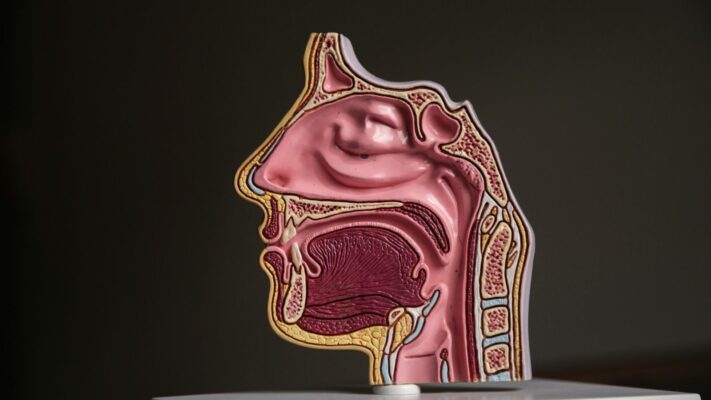
Nasal Anatomy and Its Functions
Prof. Dr. Fehmi Döner » General » Nasal Anatomy and Its FunctionsNasal anatomy consists of [...]
Read More ➜
25
Feb
Feb

What Is a Nose Type and What Are the Different Nose Types?
Prof. Dr. Fehmi Döner » General » What Is a Nose Type and What Are [...]
Read More ➜
25
Feb
Feb
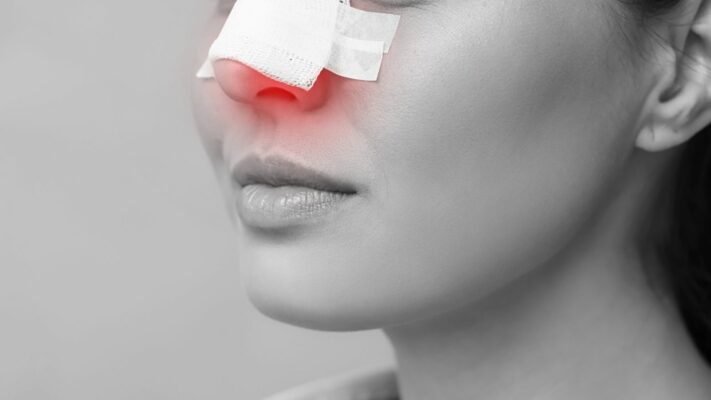
My Nose Is Crooked After Rhinoplasty: What Should I Do?
Prof. Dr. Fehmi Döner » Rhinoplasty » My Nose Is Crooked After Rhinoplasty: What Should [...]
Read More ➜
23
Feb
Feb
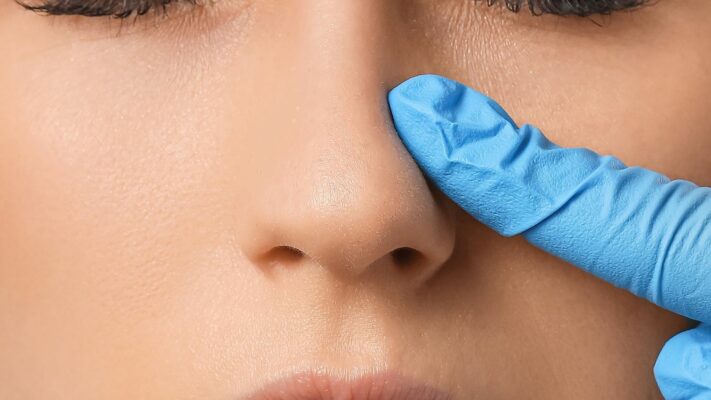
Can Asymmetry of the Nostrils Occur After Rhinoplasty?
Prof. Dr. Fehmi Döner » Rhinoplasty » Can Asymmetry of the Nostrils Occur After Rhinoplasty?Asymmetry [...]
Read More ➜
23
Feb
Feb

Nasal Massage After Rhinoplasty
Prof. Dr. Fehmi Döner » Rhinoplasty » Nasal Massage After RhinoplastyNasal massage after rhinoplasty is [...]
Read More ➜
23
Feb
Feb

Swelling on the Nasal Bridge After Rhinoplasty
Prof. Dr. Fehmi Döner » Rhinoplasty » Swelling on the Nasal Bridge After RhinoplastySwelling on [...]
Read More ➜
23
Feb
Feb

What Should Be Considered After Rhinoplasty?
Prof. Dr. Fehmi Döner » Rhinoplasty » What Should Be Considered After Rhinoplasty?What to pay [...]
Read More ➜
23
Feb
Feb