

Nasal bone filing surgery in Turkey is a rhinoplasty technique that reshapes or smooths the nasal bone to correct dorsal humps and irregular contours. The procedure is performed by qualified plastic surgeons using precise surgical instruments to achieve a balanced nasal profile while preserving structural stability and facial harmony.
Nasal bone filing procedure in Turkey is commonly performed in accredited hospitals equipped with advanced surgical technology and strict sterilization protocols. Surgeons evaluate nasal anatomy through clinical examination and imaging, ensuring that bone reduction is accurately planned to maintain airway function and proportional facial aesthetics.
Cost and medical standards of nasal bone filing surgery in Turkey attract many international patients seeking safe and regulated cosmetic procedures. Clinics typically follow internationally recognized medical guidelines, provide comprehensive preoperative assessments, and deliver postoperative monitoring to minimize complications and support optimal healing.
Recovery process after nasal bone filing surgery in Turkey generally includes mild swelling and temporary nasal sensitivity during the early healing phase. Patients are advised to follow structured postoperative care, including rest, cold compress application, and routine follow-up visits to ensure proper bone contour healing and stable aesthetic outcomes.
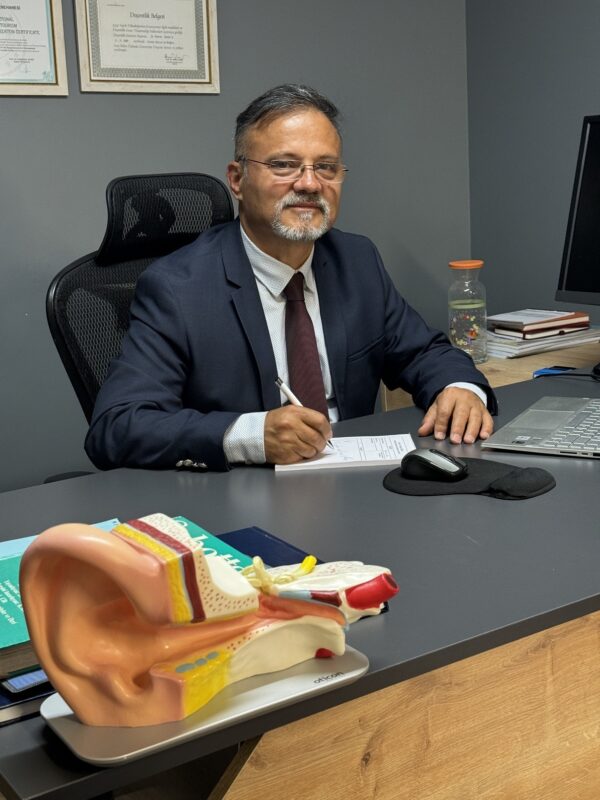
About Me
Prof. Dr. Fehmi Döner
ENT and Head & Neck Surgery Specialist
I completed my primary and secondary education in İzmir. I completed my medical education at Istanbul University Cerrahpaşa Faculty of Medicine in 1988. I received my specialization training at Atatürk University Faculty of Medicine, Department of Otorhinolaryngology. During my specialization training, in order to increase my knowledge and experience, I spent different periods of time at Istanbul University Istanbul Faculty of Medicine, Department of Otorhinolaryngology, and participated in clinical studies.
After receiving my specialization in 1994, I worked at Kütahya State Hospital for eight months, and then in December 1994, I was appointed as an assistant professor to the Department of Otorhinolaryngology at Süleyman Demirel University.
View MoreWhat is nasal rasping and in which cases is it preferred?
Rasping, in its basic logic, is the procedure of lowering the level of excess bone and cartilage on the nasal dorsum by shaving it down with special instruments. However, this procedure is not as simple as “removing the excess and leaving.” The nasal dorsum is a hybrid structure where bone and cartilage meet. While thinning this structure, it is necessary not to collapse the nasal roof and to preserve breathing function.
We generally prefer this procedure in the following cases:
- Mild hump noses
- Moderate hump deformities
- Those with a normal radix but a high dorsum
- Irregularities after trauma
- Small residual bumps in previously operated patients
If the hump on your nose is not extremely large, we can achieve the desired result by smoothing it out like sanding the surface, without breaking the bones. This method both speeds up the healing process and significantly reduces the amount of swelling and bruising on the face.
Why does a nasal hump form?
Patients sometimes come in saying, “My nose changed after puberty,” or “A hump formed after an impact.” In fact, both can be true. Our genetic heritage plays the biggest role in the formation of a nasal hump. The codes inherited from the family determine how much the nasal bones and cartilages will grow while facial bones develop during adolescence.
The main causes of hump formation are:
- Genetic factors
- Childhood traumas
- Intranasal cartilage deviations
- Hormonal growth spurts
- Skin thinning due to aging
Sometimes, excessive growth of the central support inside the nose, called the septum, pushes the nasal bridge upward, causing an externally humped appearance. So the problem is not always in the bone; sometimes the excess of underlying cartilaginous support can create this look as well.
What are the differences between rasping and breaking?
The biggest urban myth about rhinoplasty is the fear of “breaking the nose.” In older techniques, to lower large humps, it really was necessary to cut bones with a chisel and hammer. During this process, uncontrolled fracture lines could occur, and the recovery could be quite painful. However, in modern surgery, we almost never use the term “breaking.”
In rasping, the integrity of the bony structure is preserved. We simply remove the excess layer on the surface millimeter by millimeter until we reach the desired level. You can imagine it like a carpenter using sandpaper to remove roughness on wood; we smooth the bony surface in the same way. If the hump is very large and the dorsum would remain too wide after rasping (this is called an open roof deformity), we gently mobilize the bones from the sides and bring them closer together. This is not a breaking procedure, but a controlled “shaping” or “repositioning” procedure.
How has piezo surgery revolutionized rasping?
As technology has advanced, our surgical instruments have evolved as well. The mechanical rasps we used in the past relied on the surgeon’s arm strength, and no matter how careful we were, they could sometimes cause injury to surrounding tissues. Today, ultrasonic rhinoplasty, known as the Piezo device, has made our work incredibly easier and more precise.
The advantages provided by piezo technology are:
- Soft tissue preservation
- Less bleeding
- Minimal bruising
- Fast recovery
- Millimetric precision
The piezo device works by emitting ultrasonic sound waves. Its most important feature is that it is “tissue-selective.” In other words, its tip cuts or shapes only hard tissue (bone). Even if it accidentally touches the skin, a vessel, or a nerve, it does not damage these tissues. Therefore, we almost never see the feared “raccoon eye” bruising around the eyes after surgery. We can shape bones as if drawing with a pencil and refine even the finest details flawlessly.
Contact us to get information about treatments and create an appointment!
Does rasping negatively affect breathing?
This is one of our patients’ most justified concerns. We often hear the request, “Let my nose look better, but don’t compromise my breathing.” The nasal dorsum is not only an aesthetic line; it also forms the roof of the airway inside the nose. Thinning this roof, if not supported with the right techniques, can lead to narrowing of the airway.
However, as ENT-based surgeons and facial aesthetic surgeons, we always approach the matter from a “functional” perspective. During rasping, we take various measures to preserve the internal nasal valve angle.
The methods we use to preserve breathing function are:
- Use of spreader grafts
- Auto-spreader flaps
- Cartilage supports
- Widening of the valve angle
After rasping, we strengthen the area by placing thin cartilage strips called “spreader grafts” on both sides of the nasal dorsum or by folding the existing cartilage onto itself. This not only prevents collapse of the nasal roof but also widens the airway, allowing the patient to breathe much more comfortably than before surgery. In other words, rasping performed by the right hands does not compromise breathing; on the contrary, it can improve the airway.
Does having thin or thick skin change the result of rasping?
Skin structure is the hidden hero that determines the outcome of rhinoplasty. When explaining this to my patients, I often use a bedcover analogy. We can liken thin skin to a silk sheet and thick skin to a thick quilt.
In thin-skinned patients, every step we take underneath—every stitch we place, even a millimetric irregularity on the bone—can be visible from the outside. Therefore, there is no margin for error when rasping in thin-skinned patients. We must make the bony surface glass-smooth. Otherwise, as the skin thins during healing, underlying irregularities may become noticeable. To prevent this risk, we sometimes camouflage the rasped area with thin tissue layers called “fascia” or with crushed cartilage.
In thick-skinned patients, the situation is the opposite. Thick skin is very insistent on covering underlying details. No matter how much you thin the bone, thick skin may not show that refinement. In these patients, the nose’s capacity to become smaller is limited by the skin’s elasticity. When rasping a thick-skinned nose, it is necessary to create slightly more defined lines and to support the nasal tip strongly so that the skin can redrape properly.
Is the risk of nasal tip drooping real?
What is commonly referred to as “the nose drooping” actually occurs when the support mechanisms of the nose are insufficient. Rasping alone does not cause nasal drooping. However, when the nasal hump is removed, the nasal roof lowers and the connection between the tip and the dorsum may weaken. If the surgeon removes only the hump and leaves the nasal tip to its own fate, then yes, gravity can prevail over time and the nasal tip may sag downward.
To prevent this, we apply the principles of “structural rhinoplasty” in modern surgery. After rasping, we rebuild the nasal tip with cartilage taken from the septum (as struts). We reinforce the nasal tip like the foundation of a reinforced-concrete building.
The techniques we use to provide tip support are:
- Columellar strut graft
- Septal extension graft
- Dil-in-groove technique
- Cartilage sutures
Thanks to these techniques, the nasal tip maintains its position and projection even years after surgery. We also prevent the tip from moving downward when you smile or speak.
What is a “pseudo-hump” (Pseudo-Hump)?
Sometimes patients come in complaining, “I have a very large hump,” but on examination we see that the nasal dorsum is actually at a normal height. The problem is not the dorsum, but that the nasal root (the area between the eyes, the radix) is much deeper than it should be. This deep hollow makes the dorsum appear much higher and more humped than it actually is. We call this a “pseudo-hump.”
If we misanalyze such a case and rasp the dorsum, the nose can become excessively low and flat in a way that does not harmonize with the face. The correct approach is not to rasp, but the opposite—to “augment.”
The methods used in pseudo-hump treatment are:
- Radix grafting
- Cartilage augmentation
- Use of fascia
- Temporary filler applications
When we augment the radix and raise its level, the humped appearance on the dorsum disappears on its own, and a straight, aesthetic profile emerges. This is the best proof of how correct diagnosis prevents unnecessary tissue removal.
How is the relationship between preservation rhinoplasty and rasping?
“Preservation rhinoplasty,” which has become popular in recent years, is an alternative and very clever technique compared to classical rasping. In the classical method, we lower the hump by shaving it down from the top. In the preservation method, we do not touch the natural, smooth surface of the nasal dorsum at all. Instead, we remove a piece from the foundation of the nose (the septum) and lower the entire nasal roof downward like an elevator.
The advantage of this technique is that the natural anatomy of the dorsum is not disrupted. Light reflections, the skin’s adherence to the bone, and natural transitions are preserved exactly as they are. However, not every nose is suitable for this technique. In very large humps or significant asymmetries, it may be necessary to combine the preservation technique with rasping. In other words, we first lower the roof and then gently rasp the remaining millimetric irregularities with Piezo to achieve the perfect result. Which technique is suitable for you is decided after a detailed analysis of your bony structure and cartilage elasticity.
Get in Touch!
Contact us to get information about treatments and create an appointment!
What is the recovery process like and when can you return to social life?
The postoperative period is the part patients tend to worry about the most. But thanks to evolving techniques, this process is now much more comfortable. When you come out of surgery, you will have a thermoplastic splint on your nose and silicone tubes (packs) inside that allow you to breathe. The old gauze packs are history; thanks to these silicone supports, you can breathe even right after surgery.
In the first 2–3 days, there may be mild swelling and perhaps some yellowing around the eyes, but because we use Piezo, we do not expect significant bruising. As for pain, most of my patients say they did not even need painkillers after surgery. More commonly, you experience a feeling of fullness and nasal congestion.
The stages of recovery are:
- First 7 days: Period with the splint and silicone supports in place.
- Days 7–10: Splint removal and return to social life.
- Month 3: Major swelling subsides and the shape becomes more apparent.
- Month 6: Details become more defined.
- Year 1: Full healing and final settling of the result.
When the splint is removed, you may find your nose somewhat swollen—this is completely normal. Over time, your nose will refine and become more delicate, reaching its true shape.
What should be considered after surgery?
A successful surgery is only half of the process. The other half depends on how you take care of yourself at home. It takes time for the rasped bone and cartilage structures to heal in their new positions and for the skin to adapt to this new roof.
Things you should pay attention to after surgery include:
- Wearing glasses
- Risk of impact
- Sun exposure
- Sleeping position
- Blowing the nose
We are especially strict about wearing glasses. Glasses can put pressure exactly on the area we rasped, which may cause the bones to sink or the shape to deform. Therefore, we recommend not wearing glasses for at least 3 months, ideally 6 months. Patients who wear contact lenses can usually return to them 2–3 days after surgery. Sun exposure can increase swelling and cause discoloration on the skin, so using high-SPF sunscreen and a hat in the first months is essential. Also, avoiding heavy sports, saunas, and activities that raise blood pressure for the first 4–6 weeks reduces the risk of bleeding and swelling.
Why do “palpable irregularities” occur on the nasal dorsum?
During healing, patients may feel tiny bumps or irregularities when they touch the nasal dorsum with their fingers. They may worry, “Doctor, did my bone grow again?” No matter how smooth we make the bony surface during rasping, healing is a biological process.
The causes of these irregularities include:
- Hardening of edematous tissue
- Reaction of the periosteum (calcification)
- Different healing rates at the cartilage-bone junction
- Subcutaneous tissue irregularities
Most of these sensations disappear on their own within the first 6 months as swelling subsides and with massage. If there is still a visible irregularity at the end of 1 year, it can be easily corrected with a 10-minute “rasping touch-up” under local anesthesia. However, with modern techniques and proper postoperative follow-up, this rate has now fallen below 5%.
Will the nose return to its old state after rasping?
This question is especially common among patients who are still in their growth period or who have a history of trauma. The rasped bone tissue is not like tooth enamel; it does not have the ability to regenerate and return to its former height. So the surgically removed bony hump does not grow back.
However, there is a subtle detail here: “callus tissue.” If the periosteum is traumatized or if the area is repeatedly impacted after surgery, the body may initiate new bone formation there as a protective mechanism. This can, very rarely, lead to a slight bump. But it is biologically not possible for the nose to completely return to its former humped state. The procedure is permanent and is an investment that stays with you for life.
Why are preoperative simulation and design important?
Determining the amount of rasping is entirely a matter of balance. What you call “slightly curved” and what I understand as “slightly curved” may differ. To eliminate this lack of communication, we use technology. Studies we perform on 3D simulation programs and high-resolution photographs create the roadmap for surgery.
The criteria we evaluate during the design stage are:
- Forehead–nose angle
- Lip–nose angle
- Chin tip projection
- Cheekbone prominence
- Gender characteristics
In women, we aim for an elegant curve with a slightly elevated tip (supratip break), while in men we prefer a straighter and more masculine dorsal line. When you see your new nose on the simulation, you understand how closely your expectations align with what the surgeon can achieve. This removes surprises and allows you to enter surgery with peace of mind.
Who is an ideal candidate for nasal rasping?
Not every rhinoplasty candidate may be suitable for rasping. Sometimes the nose needs to be augmented or lengthened rather than reduced. The ideal candidates for rasping are individuals who have completed facial development (usually 18 years and older), have realistic expectations, and have a general health status suitable for surgery.
The characteristics of ideal candidates are:
- Those with a distinct hump in profile view
- Those with good tip support
- Those with medium skin thickness and quality
- Those who are psychologically ready for change
Remember that rhinoplasty is not only a physical change but also a psychological process. When your reflection changes, your self-confidence and social communication will also be positively affected.
Latest Posts

What Is a Failed Rhinoplasty? How Does It Happen? How Is It Recognized?
Prof. Dr. Fehmi Döner » General » What Is a Failed Rhinoplasty? How Does It [...]
Read More ➜
25
Feb
Feb
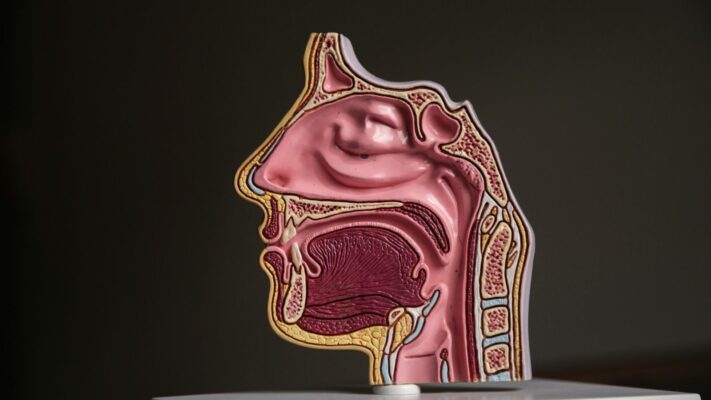
Nasal Anatomy and Its Functions
Prof. Dr. Fehmi Döner » General » Nasal Anatomy and Its FunctionsNasal anatomy consists of [...]
Read More ➜
25
Feb
Feb

What Is a Nose Type and What Are the Different Nose Types?
Prof. Dr. Fehmi Döner » General » What Is a Nose Type and What Are [...]
Read More ➜
25
Feb
Feb
My Nose Is Crooked After Rhinoplasty: What Should I Do?
Prof. Dr. Fehmi Döner » Rhinoplasty » My Nose Is Crooked After Rhinoplasty: What Should [...]
Read More ➜
23
Feb
Feb
Can Asymmetry of the Nostrils Occur After Rhinoplasty?
Prof. Dr. Fehmi Döner » Rhinoplasty » Can Asymmetry of the Nostrils Occur After Rhinoplasty?Asymmetry [...]
Read More ➜
23
Feb
Feb

Nasal Massage After Rhinoplasty
Prof. Dr. Fehmi Döner » Rhinoplasty » Nasal Massage After RhinoplastyNasal massage after rhinoplasty is [...]
Read More ➜
23
Feb
Feb

Swelling on the Nasal Bridge After Rhinoplasty
Prof. Dr. Fehmi Döner » Rhinoplasty » Swelling on the Nasal Bridge After RhinoplastySwelling on [...]
Read More ➜
23
Feb
Feb

What Should Be Considered After Rhinoplasty?
Prof. Dr. Fehmi Döner » Rhinoplasty » What Should Be Considered After Rhinoplasty?What to pay [...]
Read More ➜
23
Feb
Feb