

Failed rhinoplasty is a condition in which aesthetic expectations are not met in the external appearance of the nose after rhinoplasty or problems arise in the nose’s breathing functions. This situation may include health problems such as difficulty breathing along with asymmetry, a protrusion or collapse in the nasal shape, or an unnatural appearance. In […]
Author Archives: Prof. Dr. Fehmi Döner
25
Feb
Feb
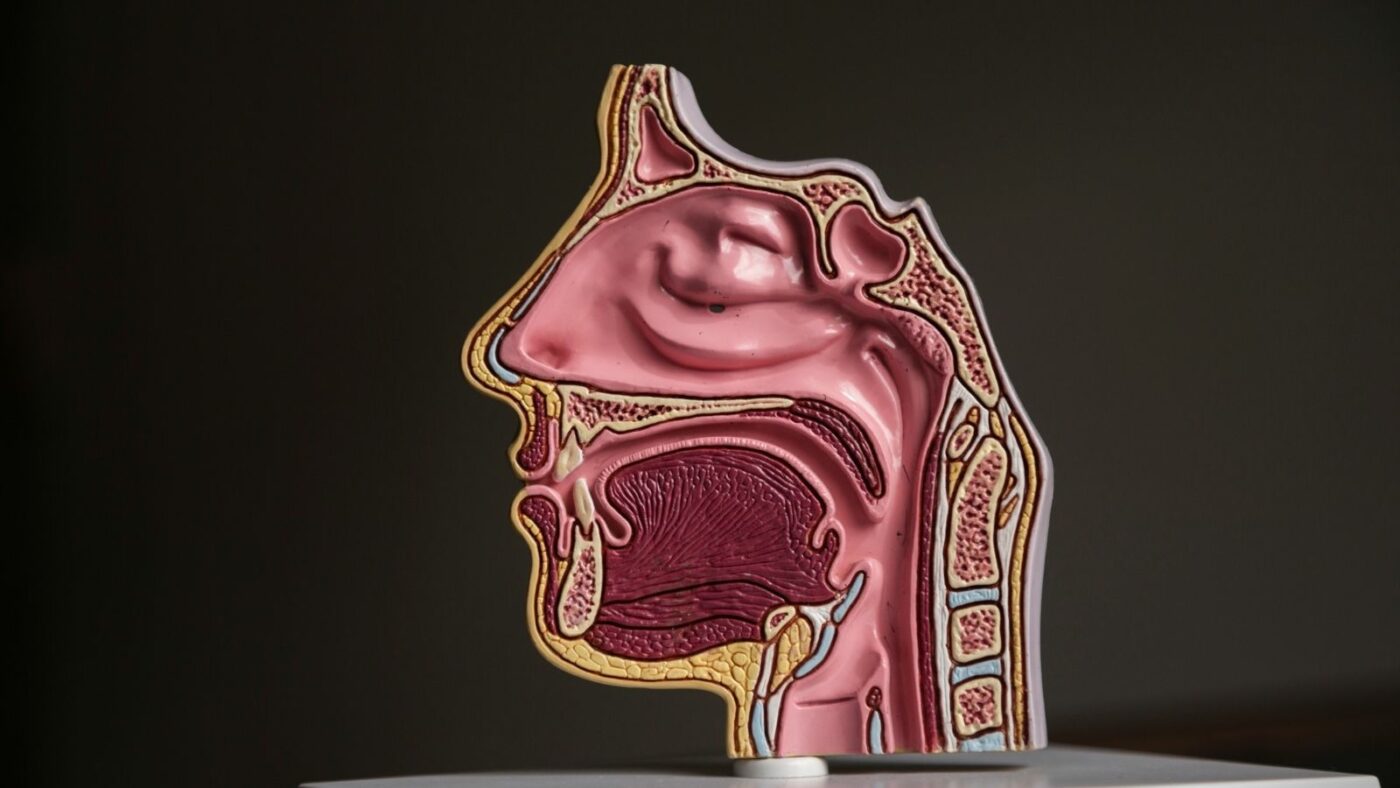
Nasal anatomy consists of bone, cartilage, and soft tissue structures that form the initial part of the respiratory system and enable air filtration, warming, and humidification. The nasal cavity ensures regular airflow through the septum and turbinates and plays a fundamental role in maintaining healthy respiratory function. The main structures of nasal anatomy include the […]

25
Feb
Feb
The nasal type is the set of morphological characteristics classified according to an individual’s facial anatomy, bone and cartilage structure, skin thickness, and the shape of the nasal dorsum and tip. In aesthetic and functional evaluations, the nasal type is considered together with breathing function and facial proportions. From an aesthetic perspective, nasal types are […]
23
Feb
Feb
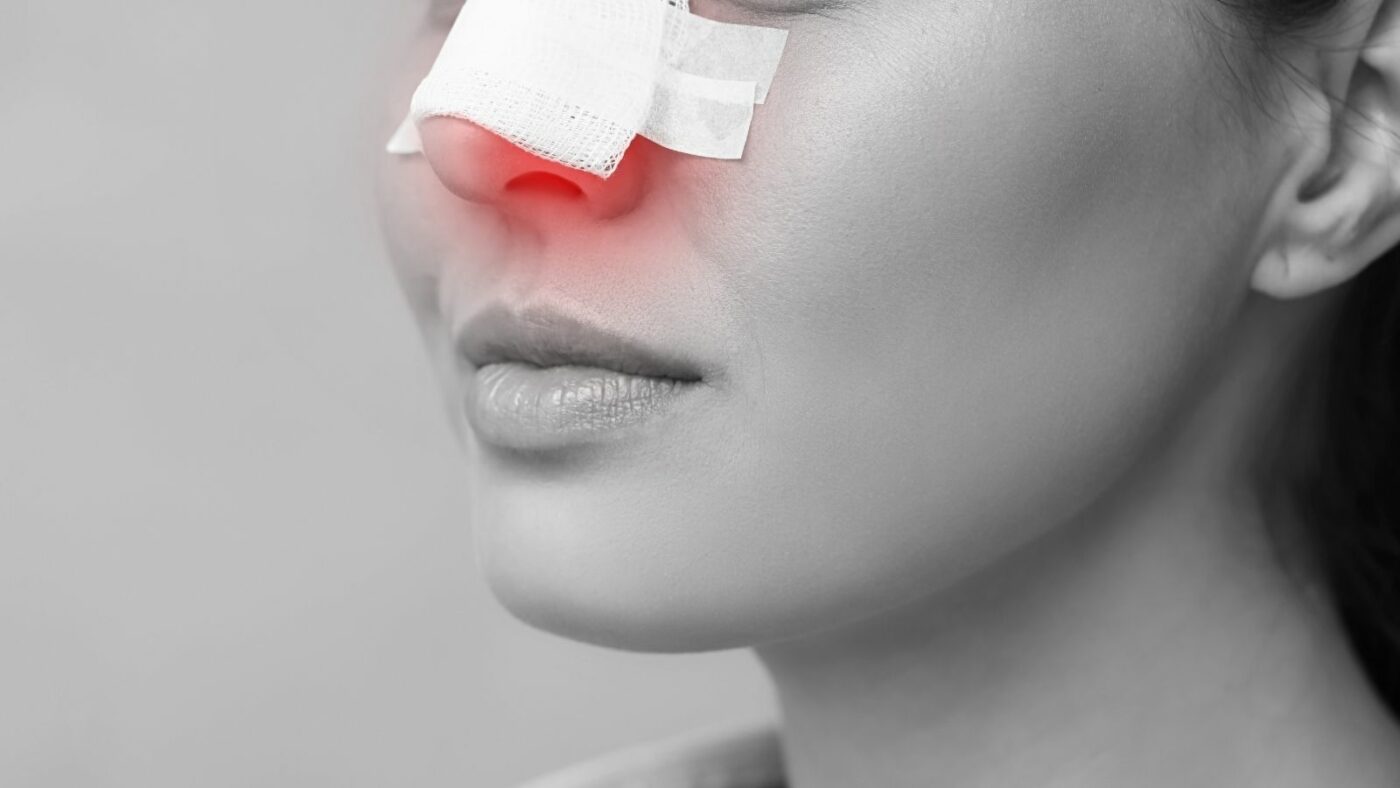
A crooked appearance of the nose after rhinoplasty is often due to temporary asymmetry related to edema, tissue firmness, and the healing process in the early period. In the first months after surgery, shape differences may be seen because the nasal structure has not fully settled. A definitive assessment is usually made at the end […]
23
Feb
Feb
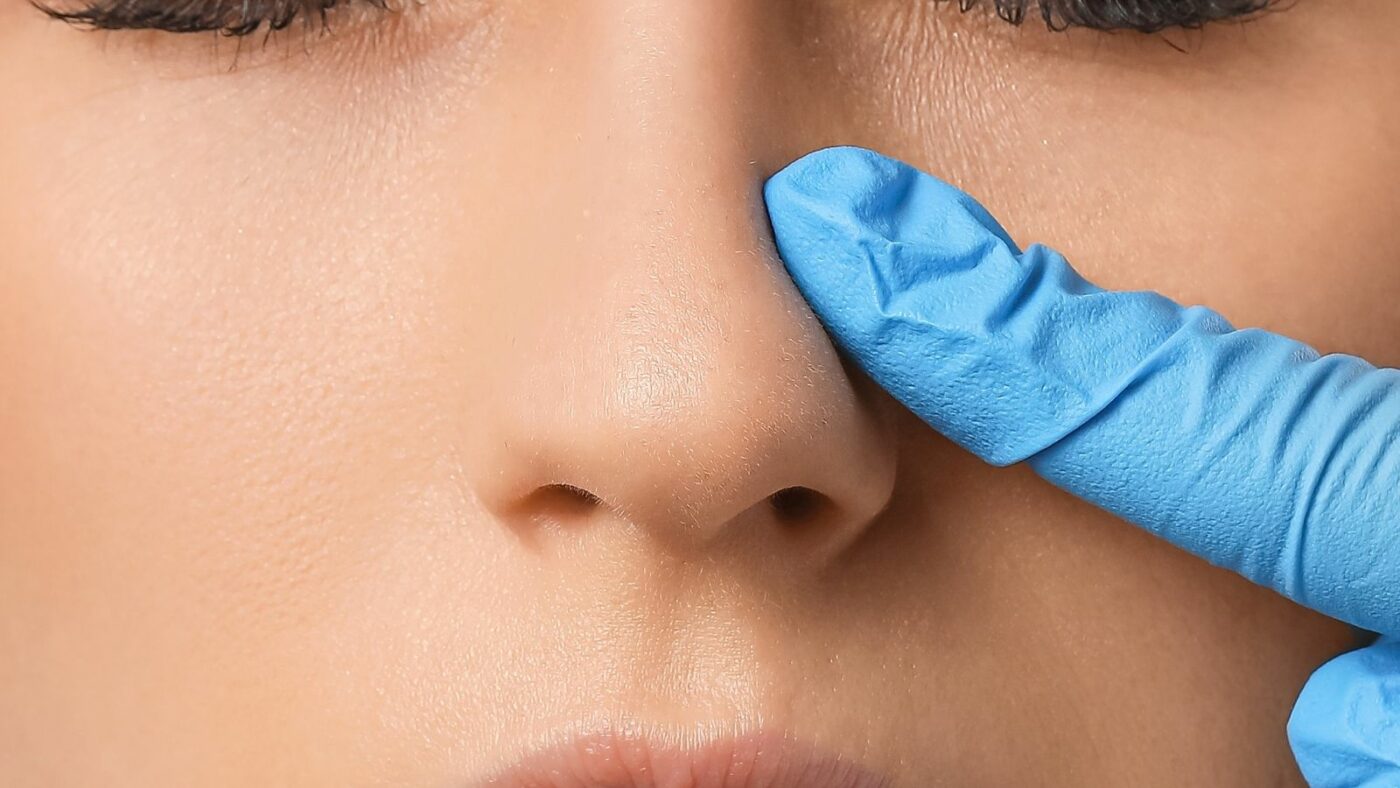
Asymmetry in the nasal wings may be observed after rhinoplasty. Especially in the early healing period, temporary inequality due to edema, tissue firmness, and muscle adaptation is natural. In most cases, this condition is not permanent, and as the tissues heal, the nasal wings achieve a more symmetrical appearance. Among the causes of asymmetry after […]

23
Feb
Feb
Nasal massage after rhinoplasty is a controlled practice that helps reduce edema and irregularities that may occur after surgical intervention. It should be performed with the physician’s recommendation and in line with the described technique. Incorrect pressure or early application may negatively affect the healing process. Massage techniques after rhinoplasty vary depending on the type […]
23
Feb
Feb
Swelling on the nasal bridge after rhinoplasty is a natural result of edema caused by surgical trauma and the tissue healing process. Procedures performed on bone and cartilage structures during surgery can lead to localized fluid accumulation, creating noticeable swelling especially in the first weeks. The duration of edema after rhinoplasty varies depending on the […]

23
Feb
Feb
What to pay attention to after rhinoplasty is of critical importance for the healthy progress of the healing process and the preservation of the surgical result. In the first weeks after surgery, impacts to the nose should be avoided, the head should be kept elevated, and the medications recommended by the physician should be used […]
23
Feb
Feb
What to do for swelling after rhinoplasty is important for controlling edema and accelerating healing. In the first 48 hours, intermittent cold application should be performed, the head should be kept elevated, and the medications recommended by the physician should be used regularly. Avoiding physical trauma supports healing. Edema management after rhinoplasty is based on […]

23
Feb
Feb
Sports and exercise after cosmetic nasal surgery should be planned gradually depending on the healing process. Physical activities are restricted in the first weeks after surgery because increased blood pressure may raise the risk of bleeding and edema. Intense exercise should not be started without the doctor’s approval. The timing of returning to sports after […]
23
Feb
Feb
Nasal congestion after rhinoplasty develops due to postoperative edema, mucosal swelling, and temporary airway narrowing related to the healing process. Inflammation that occurs in the tissues after surgical intervention can narrow the nasal passage, making breathing difficult, and it is usually felt noticeably in the first weeks. The question of why nasal congestion occurs after […]

23
Feb
Feb
Smoking after rhinoplasty is an important risk factor that negatively affects the healing process. Nicotine constricts blood vessels, reduces tissue oxygenation, and delays wound healing. This condition may lead to infection, increased edema, and undesirable aesthetic outcomes. Smoking after rhinoplasty, especially in the first weeks, disrupts blood circulation and increases the risk of wound separation […]
- 1
- 2